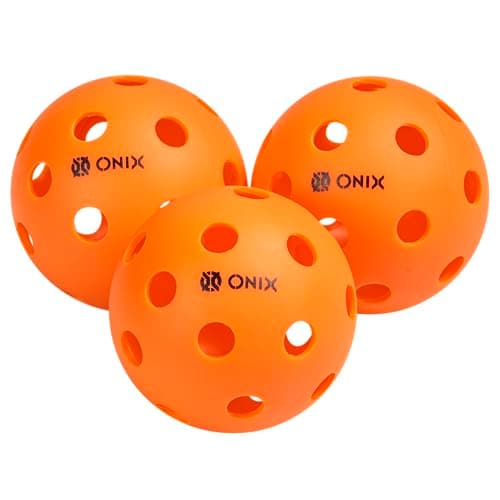
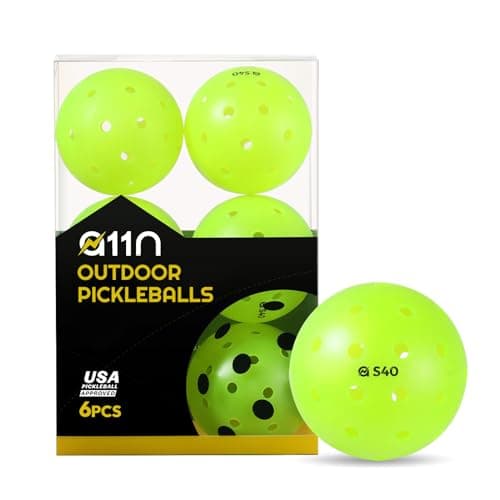
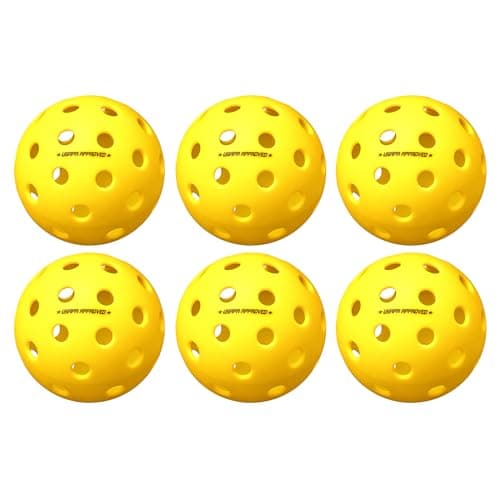
For outdoor play, the Onix Fuse G2 is the best all-round ball — durable, true-flying and a frequent tournament choice, at a friendly price. For indoor gym play, the GAMMA Photon. The one rule that matters: do not mix them up.
Indoor vs outdoor is not marketing — it is a different ball
This is the thing new players get wrong. Indoor and outdoor pickleballs are genuinely different products, and using one in the wrong place makes the game play badly.
| Outdoor ball | Indoor ball |
|---|
| Holes | 40 (smaller) | 26 (larger) |
| Feel | Harder, heavier | Softer, lighter |
| Built for | Wind and rough courts | Smooth gym floors |
| Used wrong | Skids and bounces high indoors | Blows around and dies outdoors |
Outdoor balls are harder with more, smaller holes, so they cut through wind and survive rough outdoor surfaces. Indoor balls are softer and lighter with fewer, larger holes, so they play controllably on a smooth floor. Take an outdoor ball into a gym and it skids and bounces wrong; take an indoor ball outside and the wind throws it around.
All these balls are USA Pickleball approved
Every ball ranked here is USA Pickleball approved, which sets standards for size, weight, bounce and hole pattern — see the equipment standards. Approval matters most for the outdoor tournament balls, where a sanctioned event will specify exactly which ball is in play.
Buy a few — they wear out
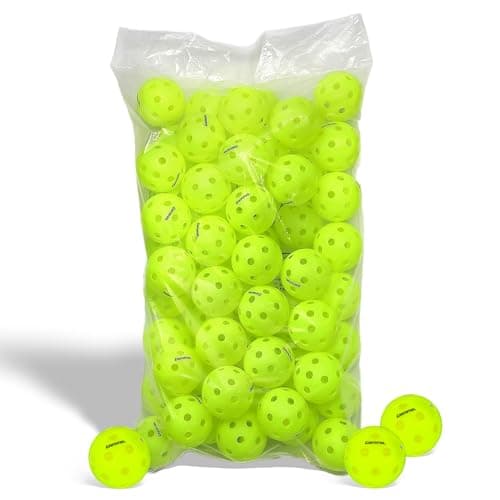
Pickleballs are consumable. Hard outdoor balls eventually crack, especially in the cold; softer indoor balls go out of round. Buy a small multi-pack so you always have a fresh one, and store outdoor balls out of freezing temperatures to make them last. A fresh, textured ball also lets a spin-friendly paddle do its job — a slick, worn ball grips nothing.
How to pick your pickleball ball
Match the ball to where you play
This is 90% of the decision. Play outdoors? Buy an outdoor ball (40 holes). Play in a gym? Buy an indoor ball (26 holes). If you play both, buy both — they are cheap, and it is worth it to have the right ball on hand.
For tournaments, use the sanctioned ball
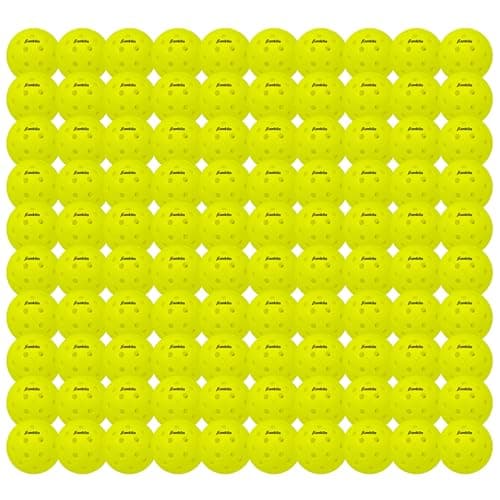
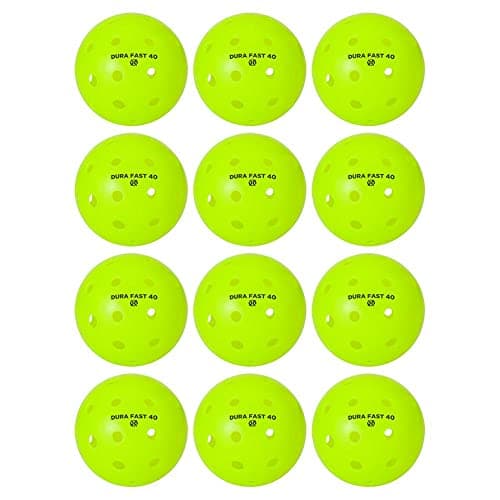
If you are entering a rated event, find out which ball it uses and practice with that exact ball — different tournament balls (the Franklin X-40, the Dura Fast 40 and others) play at noticeably different speeds. Practicing on the competition ball is a free edge.
Durability vs speed is a real trade
Harder outdoor balls last longer but play a touch slower; softer, faster tournament balls play quicker but crack sooner. The Onix Fuse leans durable, the Dura Fast 40 leans fast. Beginners should favor durability; advanced players often accept faster balls that wear out.
Buy visibility for your court
Neon yellow and optic green are easiest to track outdoors; a high-visibility indoor ball stands out under gym lighting. It is a small thing that makes a real difference to how well you see a fast ball.
How we picked
We have not physically tested this gear
Everyone in this category says they tested twenty paddles. We have not tested any — and we say so. What we did instead: compiled the manufacturer-published specifications (face material, core thickness, grip size, USAPA approval), normalized them, and scored each product against a published rubric weighted for the skill tier this page serves. The scores are judgments from documented research, not measurements we took, because we do not have a lab and are not going to pretend we do.