You can start playing pickleball for less than the cost of a single round of golf, and you can spend more than a set of golf clubs if you let yourself. The gap between those two numbers is almost entirely about what order you buy things in.
A note on the numbers on this page
We do not type prices into our pages. Every figure you see on this site is pulled live from Amazon and stamped with the date we checked it, and if that data goes stale the number disappears rather than lying to you. So this page will not tell you “a paddle costs $X” — that number would be wrong within a week. Instead it tells you what you need, in what order, and shows you the live price of a real, specific product at each step. You can add up your own total from figures that are actually current.
The four things you actually need
Strip away everything the sport's marketing has accumulated and the requirements are short: a paddle, balls, court shoes, and access to a court and a net. Most public courts supply the net. Everything else on this page is optional for at least your first season.
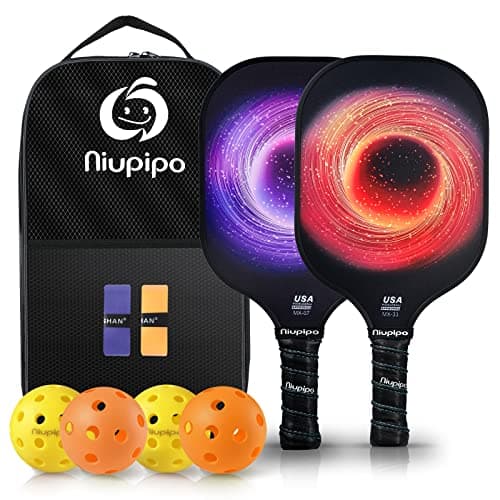
1. A paddle. The single biggest cost range in the sport, from budget fiberglass to enthusiast carbon that costs ten times as much. For a first paddle, cheap is correct — not because expensive paddles are a scam, but because you cannot yet feel what you would be paying for. Our beginner paddle picks cover the sensible end, and paddles under $50 covers the cheapest end that is still worth owning.
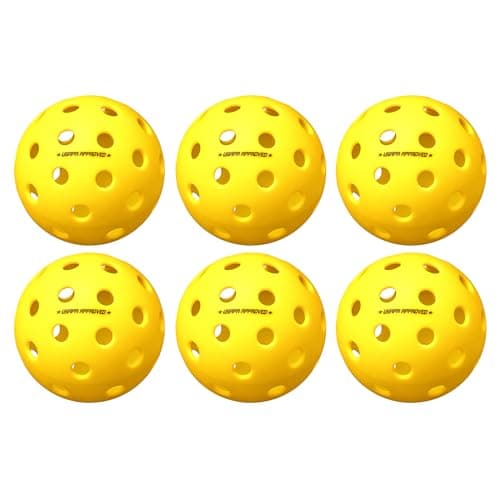
2. Balls. The cheapest line item and the one people neglect. Balls crack, especially outdoors in the cold, and a cracked ball plays badly. Buy them by the multipack and match indoor or outdoor to where you play — our indoor vs outdoor balls guide explains why using the wrong one ruins a session.
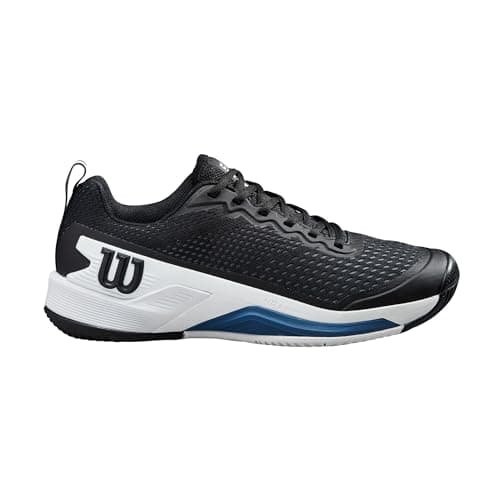
3. Court shoes. The purchase people skip and should not. Running shoes on a hard court are how ankles roll, and a rolled ankle costs more than any shoe. This is the one place we would tell a beginner not to economize past a certain point — see beginner court shoes.
4. A way to play. Usually free. Public courts are widespread, drop-in sessions are common, and if you want to play in a driveway or a backyard you will need a portable net, which is the largest single cost in the sport short of a ball machine.
The cheapest honest way to start
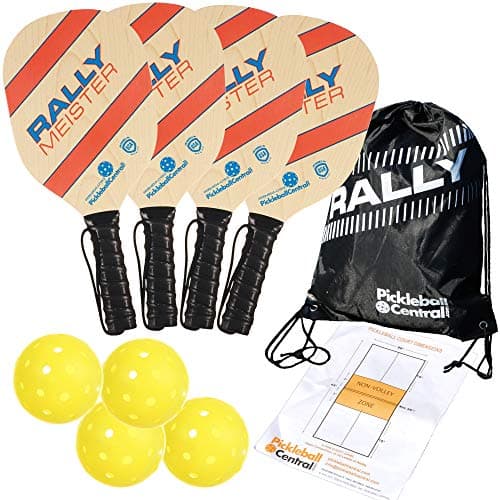
A beginner set. A set bundles two or four paddles with balls and a bag for less than buying the parts separately, and — more importantly — it gets two people playing rather than one. Pickleball is not a solo sport; a set that outfits you and a friend is more useful than a better paddle that outfits only you.
The catch is that set paddles are entry-level by design. If you stick with the sport you will outgrow them, and the cheapest sets use wood paddles that are heavy and unforgiving. That is a fair trade for finding out whether you like the game at all. Our best beginner sets roundup covers the field.
The order to spend in
If your budget is limited, this sequence gets you the most playable sport per dollar:
- Court shoes, or confirm your existing tennis shoes will do. This is a safety purchase, not a performance one.
- A set, or a cheap paddle and a multipack of balls. Whichever gets two people on court.
- Nothing, for two or three months. Play. Find out what actually annoys you about your equipment before you spend money fixing an imagined problem.
- A better paddle, once you can name what you want it to do — more spin, more control, less arm pain. Our guide on when to upgrade your paddle is written for exactly this moment.
- A bag, when carrying your gear in a grocery bag has become annoying enough to fix.
The ongoing costs nobody mentions
Pickleball is cheap to start and has real running costs, which is where budgets actually drift.
Balls are consumable. Outdoor balls crack, and cold weather accelerates it. Budget for replacing them a few times a year rather than once.
Shoes are consumable too, and faster than people expect — our guide to how long pickleball shoes last puts realistic numbers on it. If you play twice a week outdoors, shoes are a recurring annual cost, not a one-off.
Grips are the cheapest thing on this list and the most neglected. A slick handle costs you control and makes you grip harder, which is an arm-pain risk. Re-wrapping costs very little — see our grip and overgrip picks.
Court fees, if your local courts are inside a club rather than in a park. This is frequently the largest ongoing cost of all and has nothing to do with gear.
What you can skip
For your first year: a second paddle, a ball machine, a portable net if public courts are nearby, branded apparel, and anything sold as tour-grade. Eye protection is the one optional item we would push you toward earlier than most, because a pickleball to the eye is a genuinely serious injury and protective eyewear is inexpensive.
For the whole picture of what a complete kit contains, our pickleball equipment list lays it out item by item.