The short version: tennis shoes and pickleball shoes are both court shoes and both work. Running shoes are a different tool entirely, and they are the one genuine footwear mistake in this sport. The line that matters is court versus running — not tennis versus pickleball.
The three shoes, side by side
Everything below is a design decision the manufacturer made on purpose, for a sport. Read the table by column and it is obvious why two of these belong on a pickleball court and one does not.
| Spec | Running | Tennis | Pickleball |
|---|
| Built for | Forward motion | Lateral cuts | Lateral cuts |
| Platform | Tall, soft, narrow | Low, firm, wide | Low, firm, wide |
| Outsole | Deep road lugs | Herringbone or gum | Herringbone or gum |
| Toe | Thin mesh | Drag guard | Drag guard |
| Side support | Minimal | High | High |
| Non-marking | Rarely | Yes | Yes |
| Verdict | Avoid | Correct tool | Correct tool |
Two columns of that table are identical, and that is the finding. A tennis all-court shoe and a pickleball shoe are the same product with different marketing. The running column is the only one that differs — and it differs on every row that matters.
Why running shoes are the odd one out
A running shoe is excellent engineering aimed at a different problem. It has a tall, soft, cushioned heel that deliberately rolls your weight forward, a flexible forefoot, and very little structure on the sides — because a runner never pushes sideways. Pickleball asks for the exact opposite: quick lateral steps and hard direction changes on a hard surface. Put a tall soft platform under a sideways push and it tips. That tipping is how ankles roll, and it is completely avoidable. We go through the mechanism in full on court shoes vs running shoes.
Why tennis and pickleball shoes are effectively the same shoe
Tennis and pickleball make near-identical demands on footwear: stop the foot rolling on a lateral push, sit low so cuts are stable, grip on the plant and release on the pivot, and survive toe drag. Tennis has been solving that problem for decades, so a hard-court or all-court tennis shoe crosses over with no downside at all. The differences that do exist are small and mostly commercial:
- Surface tuning. Some tennis shoes are built for clay or grass. Pickleball is almost always played on a hard court, so pick a hard-court or all-court model and the question disappears.
- Weight. A few pickleball-branded models are tuned marginally lighter. It is a real difference, but a small one, and it will not decide a match.
- Fit ranges. This is the genuine advantage of the pickleball category. It arrived later and expanded into widths and lasts that traditional tennis shoes never covered well — which matters if you have wide feet or need a flatter, more supportive platform.
So which should you buy?
Start from what is already in your closet rather than from the marketing category.
| What you own now | What to do |
|---|
| Supportive tennis or all-court shoes with life left in them | Play in them. Spend the money on a paddle instead. |
| Running shoes only | This is the one case where you genuinely need to buy. Any court shoe fixes it — tennis or pickleball, whichever fits better. |
| Old court shoes with a slick, worn-smooth outsole | Replace them. A polished outsole has lost the grip that keeps you upright — see when to replace court shoes. |
| Nothing suitable, and you play indoors | Buy a court shoe with a non-marking gum outsole — most indoor venues require one. Indoor vs outdoor shoes covers the tread difference. |
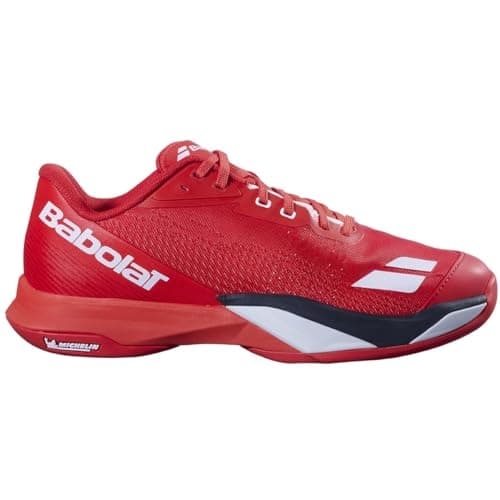
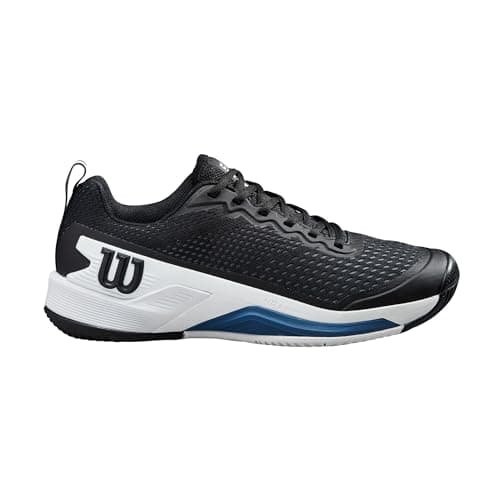
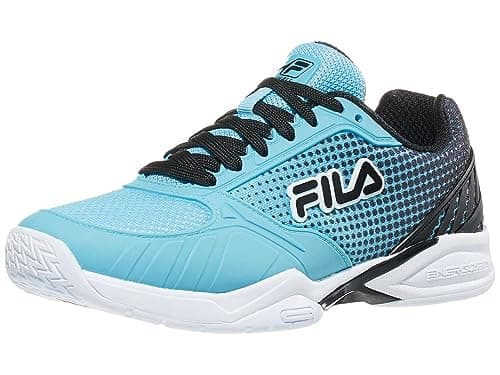
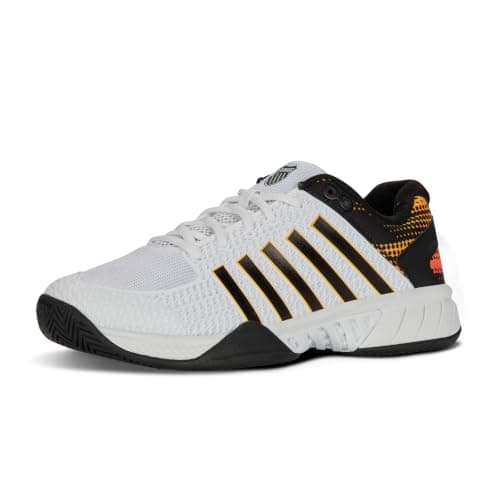
The picks below cover both sides of the answer: a purpose-built pickleball shoe and the tennis crossovers that do the identical job, each with the price we last pulled from Amazon.
What to check before you click buy
In priority order, and only four things. Lateral support— the shoe should feel locked down when you lean into a sideways step, not soft and tippy. A court outsole— non-marking gum or herringbone, made to grip on the plant and release on the pivot. Toe protection— a reinforced cap, because the toe drag on your serve and split-step destroys a mesh toe in weeks. Fit— comfortable for two hours without going so plush that you lose the stability you came for. If you are shopping your first pair, our beginner court shoes list applies the same four checks at the entry price.
One thing the categories will not tell you
“Pickleball shoe” is a marketing category as much as an engineering one. That is not a criticism — the shoes are good and the fit ranges are genuinely better — but it does mean you should never pay a premium purely for the word on the box. A discounted all-court tennis shoe with the four properties above is the same purchase, and often the smarter one. The mistake to avoid costs nothing to avoid: do not play in your running shoes.
How we picked
We have not physically tested this gear
Everyone in this category says they tested twenty paddles. We have not tested any — and we say so. What we did instead: compiled the manufacturer-published specifications (face material, core thickness, grip size, USAPA approval), normalized them, and scored each product against a published rubric weighted for the skill tier this page serves. The scores are judgments from documented research, not measurements we took, because we do not have a lab and are not going to pretend we do.