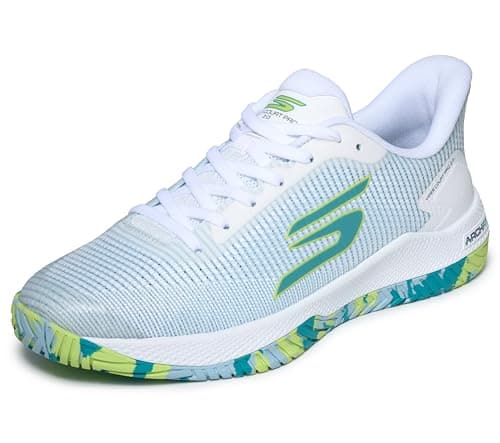
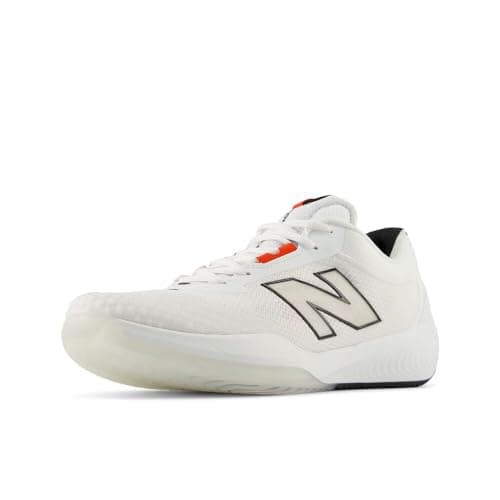
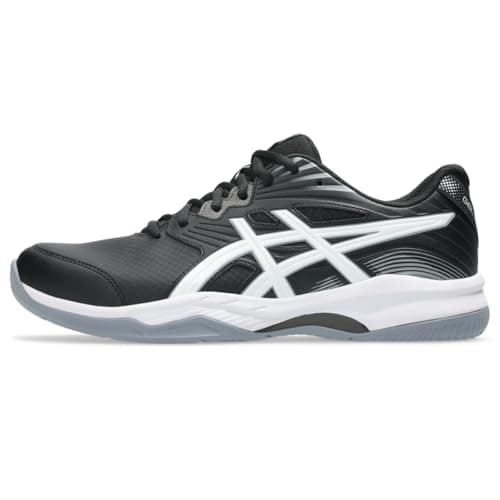
For plantar fasciitis, the ASICS Gel-RENMA 2 is our top pick — its GEL cushioning and supportive, court-specific build cushion the heel strike that aggravates the condition. The Skechers Viper Court Pro 2.0 is the plushest alternative, and the New Balance FuelCell 996 adds a springy, accommodating fit.
Why pickleball is hard on plantar fasciitis
Plantar fasciitis is an inflammation of the thick band of tissue running along the bottom of your foot from heel to toes, and it produces the classic sharp heel pain, worst on the first steps of the day. Pickleball is tough on it for two reasons: the sport is played on hard courts that offer no give, and it is full of quick stops, split-steps and lateral pushes that load the heel and arch repeatedly. The right shoe cannot cure the condition, but it can absorb impact and support the arch so you aggravate it less.
What to look for
Four things matter. Cushioning, especially under the heel, to soften each landing on an unforgiving court. Arch support and a structured midsole, so the plantar fascia is not doing all the work of holding your arch up. A firm, supportive heel counter (the stiff cup around the back of the heel) to control motion and stabilize each step. And, because this is still pickleball, enough lateral supportto handle side-to-side cuts safely — a plush running shoe would cushion your heel but roll your ankle. The picks here balance cushioning with genuine court stability.
The shoes to avoid
Flat, firm, low-to-the-ground court shoes — the kind aggressive players love for their connected, stable feel — are the wrong choice when your heel hurts. They deliberately trade cushioning for court feel, which is the opposite of what plantar fasciitis needs. Likewise, worn- out shoes whose midsoles have packed down offer little protection; if your current pair is old, replacing it may help as much as anything, as we cover in how long pickleball shoes last.
Shoes are one piece of the puzzle
A supportive, cushioned shoe helps, but the best results come from combining it with the rest of the standard plantar-fasciitis toolkit: a proper warm-up and calf stretching, possibly an over-the-counter or custom orthotic insole for extra arch support, managing how much you play while it is acute, and icing after sessions. This page is buying advice, not medical advice — for persistent or severe heel pain, see a podiatrist or doctor, who may recommend orthotics or other treatment specific to your foot.
How to choose a court shoe for plantar fasciitis
Prioritize heel cushioning
The heel is where plantar-fasciitis pain concentrates, so look for a shoe with real cushioning under the rearfoot — gel, foam or an equivalent. That cushioning is what softens the thousands of hard-court landings a session puts you through.
Do not sacrifice arch support for softness
Plush alone is not enough; a structured midsole and good arch support matter just as much, because they take load off the plantar fascia itself. The ideal shoe here is supportive and cushioned, not a marshmallow. Many players add an arch-support insole on top.
Keep the lateral support
Whatever you choose, it still has to be a real court shoe. Pickleball's side-to-side movement demands lateral support and a grippy court outsole; a soft running shoe would ease your heel but leave your ankle exposed. See court shoes vs running shoes for why that distinction matters.
Replace shoes before they pack down
Cushioning is a consumable. A midsole that has compressed from months of play protects your heel far less than a fresh one, so if you are managing plantar fasciitis, err on the side of replacing court shoes a little sooner than you otherwise would.