Tennis has a low entry cost and a recurring cost nobody warns you about. The up-front kit is a one-off; string, shoes and balls are consumables, and over three years they cost more than the racquet did.
Why we do not print a total
Every price on this site comes from Amazon's API and carries the date we checked it. If our data goes stale, the number disappears rather than lying to you.
A total typed into this page would be wrong within a week and would stay wrong for months, which is exactly the failure mode the rest of the site is built to avoid. So instead of a figure, this page gives you the shape of the cost: what is in each tier, what recurs, and where the money actually goes. Follow any link for the live prices.
The three tiers
Beginner.An oversize pre-strung racquet, an entry court shoe, a case of balls and a budget backpack. This tier is genuinely inexpensive — comparable with starting most other sports, and considerably less than a bicycle or a set of golf clubs. It is enough to play for a year or two.
Club player.A performance racquet (100 sq in, 16x19), a full performance court shoe, a proper bag, and string you chose. This is where most of this site's readers sit, and the racquet is a three-to-five-year purchase rather than an annual one.
Competitive. Two matched frames strung identically, a thermal bag, shoes rotated in pairs, and restringing on a schedule. Add a hopper and possibly a ball machine, which is on its own cost tier entirely — comparable with twenty to forty hours of private coaching.
The recurring costs people forget
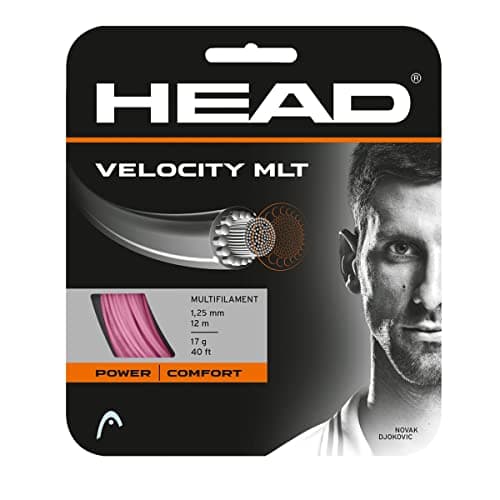
Restringing.The big one. Playing twice a week means three or four restrings a year if you are honest about it — see how often to restring. Over three years that is a meaningful multiple of the string's sticker price, and most players quietly skip it, which is why most players are on dead string.
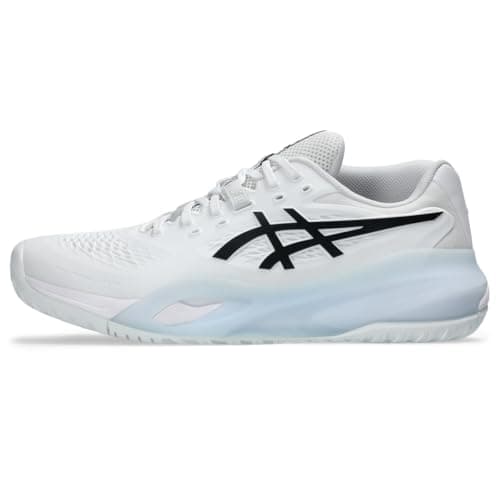
Shoes.A consumable, not equipment. Roughly 60–100 hours of play per pair for a performance shoe. A player on court three times a week will go through more than one pair a year.
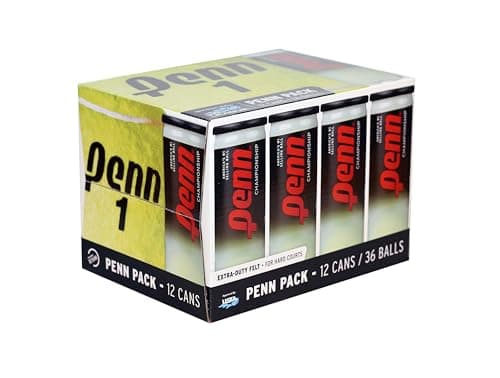
Balls. Small individually, constant in aggregate. Buying by the case is the single easiest saving here.
Overgrips.Trivially cheap and genuinely a consumable — every 6–10 playing hours.
Court time. Not gear, and for most club players the largest line in the budget by a wide margin. Worth saying out loud, because it changes where the marginal dollar should go.
Where spending more actually returns something
| Item | Does more money help? | Why |
|---|
| Shoes | Yes, clearly | Support and durability both scale with price; it is a safety item |
| Restringing frequency | Yes, clearly | Fresh string in a mid racquet beats dead string in a premium one |
| Racquet, up to mid-range | Yes | Real spec differences between entry and performance frames |
| Racquet, above mid-range | Marginally | A $200 and a $320 frame are closer than the gap suggests |
| Balls | Only to a point | Consistency matters; the premium above that is small |
| Bag | Barely | Thermal lining is the one real feature; the rest is carrying comfort |
| Dampeners, gadgets | No | They do not do what buyers think they do |
The cheapest way to play well
If you want the best tennis per dollar, this is it, and almost nobody does it:
Buy a good mid-range racquet and keep it for five years. Buy good shoes and replace them when the midsole dies rather than when they look bad. Restring on schedule— this is the one people skip and it is the one that pays. Buy balls by the case. Spend what is left on coaching and court time, which is where improvement actually comes from.
The expensive way to play badly is the reverse: a premium frame bought every two years, strung once, worn with dying shoes.
Where the four-figure items sit
Two categories on this site cost genuinely serious money: ball machines and stringing machines. They are both tools that replace a recurring service with an up-front purchase, so the question is identical in both cases — how many times a year will you use it?
A stringing machine pays for itself in roughly ten jobs at typical US club rates, which is one to two years for a committed club player. A ball machine does not pay for itself in money at all; it pays for itself in availability, by letting you practise when nobody is free to hit.
Buying second-hand
Worth it for racquets— frames are durable and a used performance frame plus a fresh restring is excellent value. Check for cracks around the grommets and at the throat.
Not worth it for shoes, where the midsole may be dead and you cannot tell by looking, or balls, obviously. Ball machines hold value well and the second-hand market for them is genuinely sensible if you can test one first.