To start playing tennis you need four things: a racquet, court shoes, balls, and something to carry them in. That is genuinely it, and it costs far less than most people expect.
The four essentials
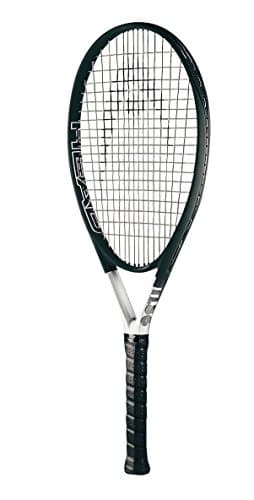
1. A racquet.Oversize, light and pre-strung. You want 105–115 square inches and under about 10 oz, which gives you a huge sweet spot and free depth while your swing is still developing. Do not buy the frame a professional uses — see best tennis rackets for beginners.
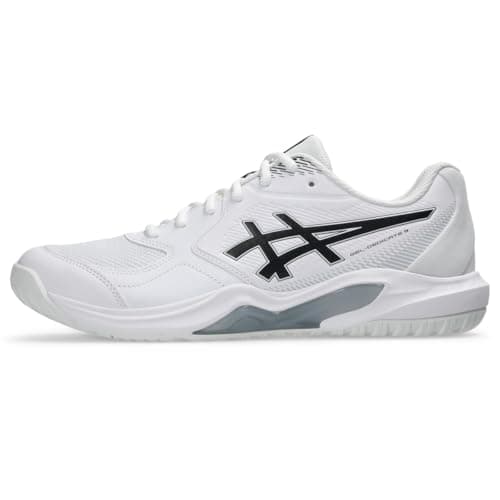
2. Court shoes. The most important item on this list and the one most beginners skip. Running shoes have tall soft heels and flexible soles built for forward motion; tennis loads them sideways, which is how ankles roll. An entry court shoe costs less than most running shoes. See the best tennis shoes.
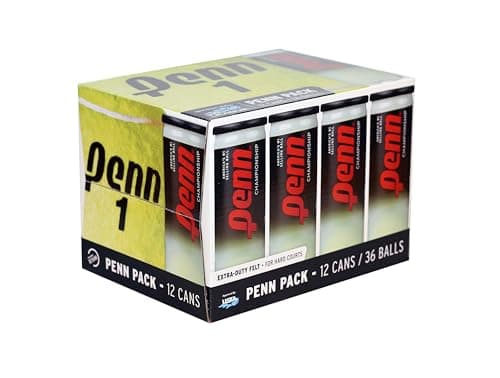
3. Balls.Extra duty felt for hard courts, which is most American club tennis. Buy a case rather than a can — the per-can price drops sharply and you will get through them faster than you think.
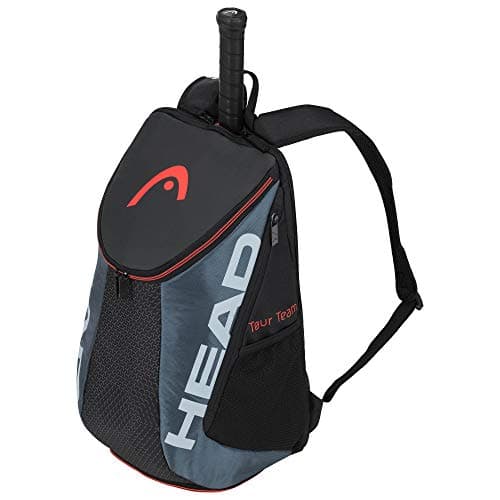
4. A bag. A simple two-racquet backpack. Not for status: to keep your racquet out of direct heat and your shoes away from everything else.
Add in month two
An overgrip.A few dollars, ten seconds to fit, and it stops you squeezing a slick handle — which is the most direct route to tennis elbow in a new player. This is the highest value-per-dollar item in the sport.
Proper socks. Technical tennis socks, not cotton. Cotton holds moisture against the foot and is the main cause of blisters in players who otherwise have the right shoes.
A water bottle and a towel. Obvious, universally forgotten.
What can wait, and for how long
A second racquet. Until you are playing league matches where a string break would mean retiring.
String choice. Until your first restring, which is six months to a year away. Factory string is fine to learn on. Then read poly vs multifilament.
A ball machine. Four figures, and it grooves whatever technique you currently have. Coaching first, always.
A dampener. Buy one if you dislike the string ping. It does nothing for your arm, whatever you have read.
Training aids. Once you can name the specific problem you want to fix. See best tennis training aids.
A 9-racquet tournament bag. When you play tournaments.
The checklist, as a table
| Item | When | What to get |
|---|
| Racquet | Day one | 105–115 sq in, under 10 oz, pre-strung |
| Court shoes | Day one | Entry performance court shoe, correct width |
| Balls | Day one | Extra duty felt, by the case |
| Bag | Day one | Two-racquet backpack with shoe compartment |
| Overgrip | Month one | Tacky, or absorbent if your hands sweat |
| Technical socks | Month one | Anything that is not cotton |
| Restring | Month 6–12 | Multifilament, middle of the tension range |
| Second racquet | When you play leagues | Identical frame, strung the same |
| Performance racquet | At 3.5 | 100 sq in, 10.5–11.3 oz, 16x19 |
Where to spend and where not to
If your budget is tight, this is the priority order and it is not the order most shops will suggest.
Spend on shoes. They are a safety item and a consumable, and the difference between running shoes and court shoes is the biggest single upgrade available to a beginner.
Save on the racquet. At beginner level a cheap frame genuinely does the job, and you will want a different one within two years anyway.
Save on the bag. It improves no shot. A budget backpack protects your racquet perfectly well.
Never save on balls. Bargain-bin balls bounce inconsistently, which actively teaches you to mistime. Cheap quality balls bought by the case cost less per can than expensive bad ones.
Buying for someone else
If you are buying for a new player rather than for yourself, two notes. Grip size is the thing most likely to be wrong and the hardest to guess — most adult men take 4 3/8" and most adult women 4 1/4", and a grip that is slightly small can be built up with an overgrip, while one that is too large cannot be reduced.
And shoes need their feet. Buy the racquet and the balls; let them buy the shoes, or go with them. See the grip size guide.
What this comes to
Live prices for every item above are on their own pages, and we do not print totals — prices move daily and a figure typed here would be wrong by the weekend. What we can say is that the entry tier of this checklist is one of the cheapest ways into a lifelong sport, and the biggest cost in tennis is court time rather than equipment. The cost breakdown sets out the tiers and the recurring costs properly.