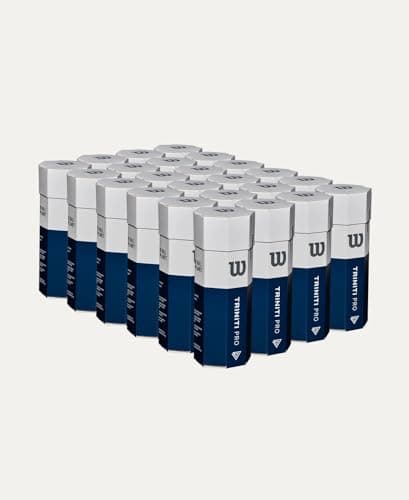
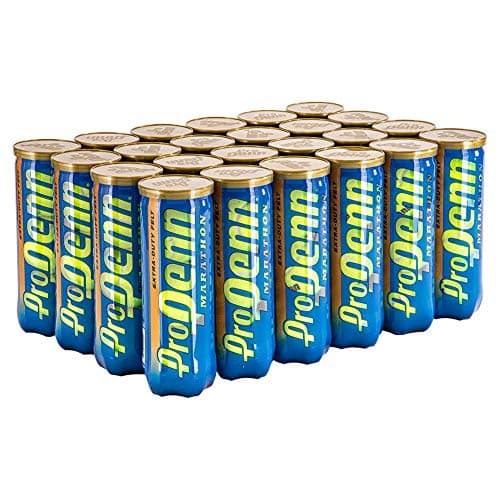
For match play, the longest lasting tennis ball is the Pro Penn Marathon — Penn publishes an actual mechanism for it rather than an adjective, with an Encore+ core "built to maximize durability by helping the core hold its structure, pressure, and response over time" and a LongPlay+ woven felt "designed to last longer and resist wear over time." If you want the one ball in this category with a dated, published longevity figure behind it, Wilson Triniti: Wilson states it "maintains its ‘liveliness’ — or fresh ball feel — four times longer than a traditional Wilson tennis ball." And if what you actually want is a basket of balls that never goes dead, buy pressureless practice balls, because they have no pressure to lose in the first place.
This page is for a specific, slightly annoyed buyer: somebody who has thrown away a lot of tennis balls and suspects they should not have to. The search runs half a dozen ways — longest lasting tennis balls, long lasting tennis balls, most durable tennis balls, which tennis balls last the longest, high quality tennis balls, best quality tennis balls — and all of them are the same complaint.
Balls do not wear out. They go flat.
This is the thing that reframes the whole question, and it is why "durable" is the wrong word for what you want.
A standard tennis ball is a pressurized rubber shell: the gas inside is at higher pressure than the air outside, and it is slowly, continuously escaping through the rubber. That happens whether you play with the ball or not. A can of balls left in a cupboard for a year is dead on the day you open it, and the felt on it is perfect.
So there are two separate failure modes:
1. Pressure loss — the one that actually gets you. The ball stops bouncing properly. It feels heavy, sits up short, and makes a dull thud instead of a crack. For most club players this happens long before the felt is finished, and it happens on a clock rather than on usage.
2. Felt wear — the one that looks like the problem. The nap wears smooth and the ball starts flying strangely, moving faster through the air with less control. This is usage-driven, and on abrasive outdoor hard courts it is fast. This is where "extra duty" felt comes in.
Which one is killing your balls decides what to buy. If your balls feel dead with good felt left, you have a pressure problem. If the felt is bald and the bounce is fine, you have a felt problem. Most club players have the first one.
The three real answers
Answer 1: a premium ball with a published durability mechanism. The Pro Penn Marathon line is the one to know. Penn publishes what it is doing — a core engineered to hold pressure and a woven felt engineered to resist wear — which is more than most durability marketing amounts to. Two honest caveats: the current listing publishes no numeric figure behind the claim, describing the ball instead as "the most durable premium tennis ball in the market," which is an adjective and not a test result; and extra duty felt is the right choice for hard courts and the wrong one for clay.
Answer 2: change the construction — Wilson Triniti. Triniti does not have a pressurized rubber core in the usual sense; Wilson publishes it as "made from a plastomer material," which is how it avoids the leak. Wilson's claim is specific and dated — four times longer liveliness than a traditional Wilson ball, footnoted to Wilson LAB tests from August to December 2018 — and we want to be clear about what that is: the manufacturer's own lab, against the manufacturer's own baseline, with no published methodology and no independent replication. It is the most specific longevity claim in this category, and it is still a first-party claim. Triniti also needs no pressurized can, so the packaging is recyclable.
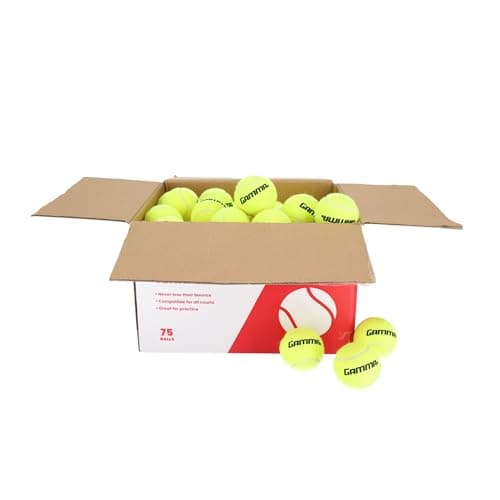
Answer 3: stop using pressurized balls for practice. This is the answer nobody gives and it is the best one for most of the people reading this. A pressureless ball has no internal pressure, so it cannot go flat — it only wears its felt down, over years. GAMMA publishes a 75-ball box of practice balls described as machine compatible. They feel heavier and duller than a fresh pressurized ball, which is exactly why they are for drilling, feeding and ball machines rather than for matches. Buy pressureless for practice, pressurized for matches, and the ball problem largely goes away.
What does not work, and what sort of works
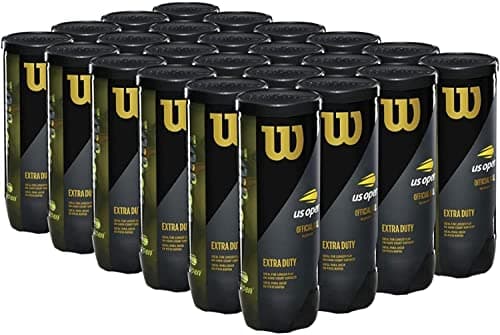
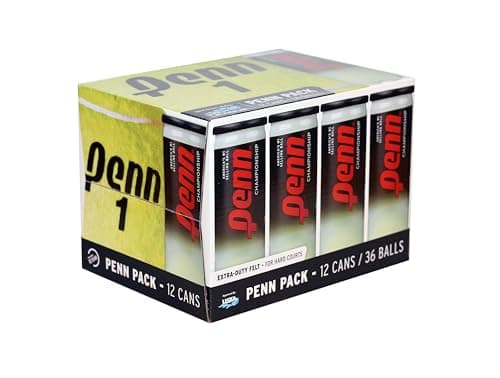
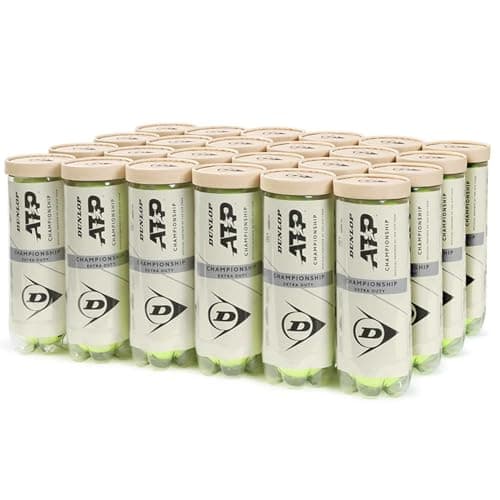
Buying by the case does not make balls last longer. It makes each ball cheaper, which is a real saving and a different one. Penn Championship ships 12 cans of extra duty; Wilson US Open and Dunlop ATP Championship both ship 24-can cases. If you get through balls, the case is the right purchase regardless of which ball you choose.
Extra duty versus regular duty is about the felt, not the core. Extra duty has a thicker, tougher nap for abrasive hard courts. Regular duty is for clay and indoor surfaces, where extra duty fluffs up and plays heavy. Choosing the wrong one is a durability mistake in both directions. See hard-court balls.
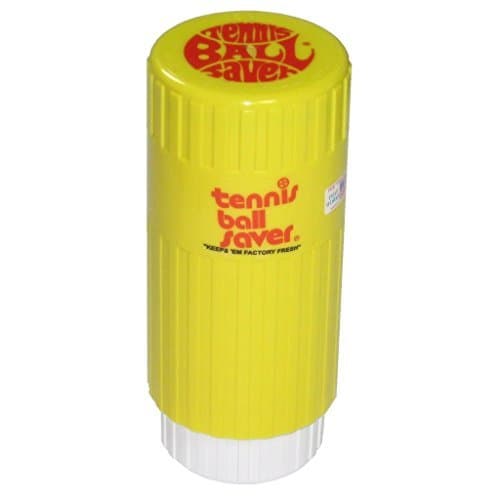
A re-pressurizing canister sort of works. A ball saver is a screw-top container that holds balls under pressure, which slows the leak and partially restores balls that have gone soft. It is the cheapest thing on this page and it will not resurrect a bald, long-dead ball. For balls you use weekly and keep in a hot trunk, it is genuinely useful.
Storage matters more than people think. Heat accelerates pressure loss. A can of balls in a car in July is being aged on purpose. A thermal bag compartment exists for your strings and does your balls a favor too.
So what should you buy?
Matches, and you want the most durable premium ball → Pro Penn Marathon, by the case, in extra duty for hard courts.
You want the longest fresh feel and will accept a different feel out of the wrapper → Wilson Triniti.
Drilling, feeding, hitting against a wall or a machine → GAMMA pressureless practice balls, 75 to a box. This is the single biggest money-saver in the category.
League and club play by the case → Wilson US Open extra duty (24 cans) or Dunlop ATP Championship (24 cans). Neither claims special longevity; both are consistent balls at a low cost per can.
Cheapest sensible hard-court ball → Penn Championship extra duty, 12 cans. The default club ball, ranked in full in the best tennis balls.
You keep balls in a hot car → add a ball saver canister. A few dollars against a season of balls going soft early.
One last honest note. We have not run a durability test on any of these balls: no bounce measurements over time, no felt-wear trials. There is no such published test we could point you to either. What this page does instead is tell you which claims come with a published mechanism, which come with a dated first-party figure, which come with nothing but an adjective, and which products sidestep the problem by construction. The scores are judgments from documented specifications against our rubric.
Three near neighbors, if durability turned out not to be your real question. Practice and ball-machine balls covers the pressureless route in full, including how many balls a hopper actually needs. The cheapest tennis balls is the same problem framed as cost per ball. And if you play on clay, ball life is decided by felt type before anything else — regular duty is the answer there.