Skip to content
Four Oh Club

The flagship · Racquets

Tennis Racquet Swing Weight, Explained

Static weight is what the racquet weighs on a scale. Swing weight is what it weighs to you, mid-forehand — and it is the number that decides whether a frame feels fast or sluggish.

By Stephen V.Updated How we score
#ad

We earn a commission when you buy through our Amazon links, at no extra cost to you. It never changes our rankings, and we say so when the cheaper racquet is the better buy. How this works.

Swing weight is a measure of how hard a racquet is to accelerate through an arc, rather than how much it weighs standing still. It is why a 10.6 oz frame with weight out near the tip can feel heavier mid-swing than an 11.4 oz frame with the mass near the handle. If you are late on fast balls, you want a lower swing weight; if the ball pushes your frame around and your shots land short, you want a higher one. And you do not have to buy a new racquet to move it — a few grams of tape at the right clock position changes the number for the price of lunch.

Three numbers describe how a racquet feels to swing, and the spec sheet usually only gives you one of them clearly.

Static weight is what the frame weighs on a scale, strung or unstrung. It is on every box. Our registry quotes the manufacturer's published figure — the Wilson Pro Staff 97 v14 at 11.7 oz strung, the HEAD Radical MP at 11.1 oz strung, the Wilson Ultra 100UL at 9.5 oz unstrung — and notes which basis each maker used, because comparing a strung weight to an unstrung one is a four-to-five-percent error for free.

Balance is where that weight sits along the frame, usually given as a point head-light or head-heavy. Two frames at identical static weight can balance very differently.

Swing weight combines the two. It is the frame's resistance to being rotated about the handle — the physics term is moment of inertia — and it is what your arm actually experiences. Mass far from your hand counts for much more than mass near it, which is why the clock position of a few grams of tape matters so much.

Why two racquets with the same weight play nothing alike

Put eight grams at the tip of a frame and you have added about three quarters of an ounce to the scale and transformed how the racquet swings: more plow-through, more stability, a much heavier feel, and noticeably slower hands. Put those same eight grams inside the handle and the scale reads the same while the frame feels almost unchanged in the air — it is simply more solid.

Published customization guidance from Tennis Warehouse is specific about the geography: weight at 3 and 9 o'clock "not only makes the racquet heavier, but will help reduce frame twisting"; weight at the 12 o'clock tip is how you "swing heavier without much added weight"; weight at 2 and 10 o'clock "will effectively raise the racquet's sweetspot"; and handle weight is counterweighting, which restores balance after adding mass up top. Their arithmetic is also useful: one inch of half-inch-wide lead tape weighs about half a gram, and a typical starting recipe is around ten grams split into four strips.

High or low: which end you want

You want a lower swing weight if you are late on fast serves, your arm is tired by the third set, you play a lot of doubles where hands at net decide points, or you are coming back from an injury. A faster frame lets you prepare later and still make clean contact. The Wilson Ultra 100UL is the archetype here — a published 9.5 oz unstrung, bought specifically for how little effort it takes to move.

You want a higher swing weight if your shots land short against pace, the frame feels like it gets pushed at contact, or you have a one-handed backhand that needs mass to carry through the ball. The Pro Staff 97 v14 at a published 11.7 oz strung is the extreme end: dense pattern, low power, total control, nothing given to you.

Most club players want the middle, and that is why the HEAD Radical MP has stayed in the range for thirty years. Nothing about it is extreme, which is exactly the point.

The honest limit of this page

We do not publish a swing weight figure for any frame on this site, and that is deliberate. Swing weight is a measured quantity — it comes off a machine that rotates the racquet and reads its resistance — and we do not have one. Most manufacturers do not print it either; the specialist retailers who do are measuring individual racquets, and frames vary from the same production run. What we publish instead is the maker's static weight, head size, pattern and construction, plus judgments scored against the rubric on our methodology page. If you see a site quoting a precise swing weight for twenty frames it has not weighed, it copied them.

How to change it yourself, cheaply

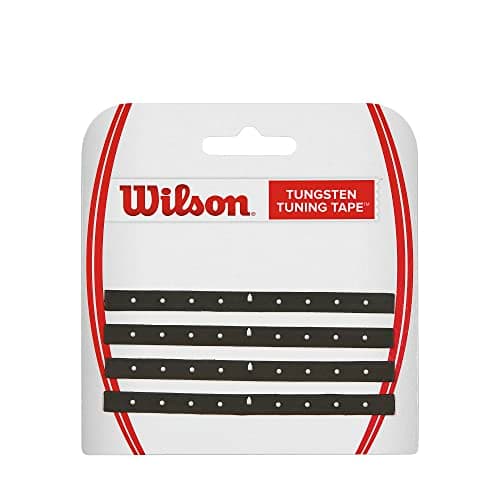
Tape, applied symmetrically, and one change at a time. Half-inch lead tape is the width every published recipe does its arithmetic in, which is why the Gamma half-inch roll is the sensible default; the Wilson Tungsten Tuning Tape does the same job without lead if handling lead bothers you. Start with a couple of grams per side at 3 and 9 o'clock for stability, or at 12 o'clock if you specifically want a heavier swing. Play a week. Then decide.

The step-by-step version, with the clock positions and what each one does, is how to add weight to a racquet. If what you actually need is a different frame rather than a modified one, start from your level on the intermediate page or the advanced page, and note that a heavier swing weight asks more of your strings too — strings for intermediate players covers that pairing.

The short answer

Quick picks

#Racquet / gearBest forScorePrice
01
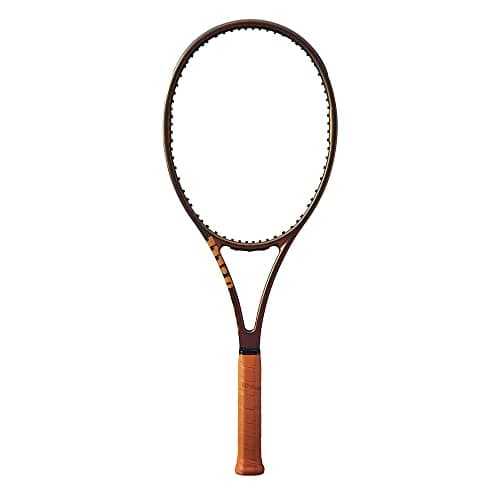
Wilson Wilson Pro Staff 97 v14
Wilson Pro Staff 97 v14

The purist's frame. Dense pattern, low power, total control — it gives you nothing and lets you do anything.

Advanced flat hitters
7.0
$319.55Amazon
02
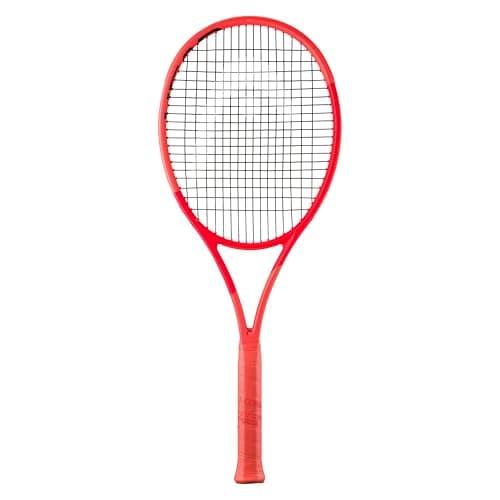
HEAD HEAD Radical MP
HEAD Radical MP

The most balanced racquet in tennis. Nothing about the Radical MP is extreme, which is exactly why it has stayed in the range for thirty years.

All-court 4.0s
7.4
$219.00Amazon
03
Wilson Wilson Ultra 100UL v4
Wilson Ultra 100UL v4

An ultra-light Ultra: free power in a frame light enough for a developing swing or a player coming back from injury.

Light frames with power
7.2
$189.00Amazon
04
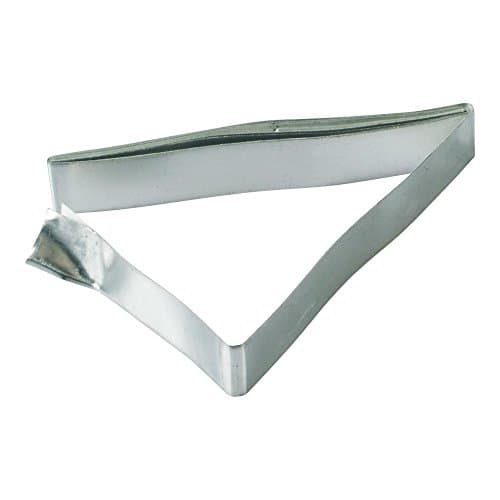
Gamma Gamma Lead Tape (1/2 in)
Gamma Lead Tape (1/2 in)

The standard half-inch lead tape, which matters because half-inch is the width every published customization guide uses in its arithmetic. Tennis Warehouse's figure of half a gram per inch is for exactly this width.

Following a published recipe
8.2
$5.99Amazon
05
Wilson Wilson Tungsten Tuning Tape
Wilson Tungsten Tuning Tape

The lead-free option, and the one to start with if the idea of handling lead bothers you. Tungsten is dense enough to do the same job in a similar length of tape, from a frame maker, with no lead-handling caveat attached.

Weighting without lead
7.6
$11.95Amazon

#ad · Live prices from the Amazon Product API, as of October 20, 2026. Where we have no verified live price, we show none — we would rather leave a gap than print a number that has rotted.

In detail

The picks, in full

01
Wilson Wilson Pro Staff 97 v14

Advanced flat hitters

Wilson Pro Staff 97 v14

97 sq in head11.7 oz strung16x19 patternBraided graphite/Kevlar
7.0/10

The purist's frame. Dense pattern, low power, total control — it gives you nothing and lets you do anything.

Control
10
Power
5
Spin
7
Comfort
7
Value
6

Pros

  • Braided graphite and Kevlar layup delivers the most connected, informative feel of any frame on this list
  • Low-powered by design, which means you can swing out fully and the ball still lands in
  • Heavy enough (11.7 oz strung) to absorb pace rather than be deflected by it

Cons

  • Demands a long, complete swing — an incomplete stroke produces a short ball every time
  • Almost no free power; a 3.5 will spend the whole match pushing

Don't buy this if…

…you are below 4.5 or your swing is still developing. This frame is a diagnosis, not a cure.

$319.55View on Amazon

Price as of October 20, 2026. Prices change — Amazon's is the one that counts.

#ad · we may earn a commission from this link to Wilson Pro Staff 97 v14

02
HEAD HEAD Radical MP

All-court 4.0s

HEAD Radical MP

98 sq in head11.1 oz strung16x19 patternShips strung
7.4/10

The most balanced racquet in tennis. Nothing about the Radical MP is extreme, which is exactly why it has stayed in the range for thirty years.

Control
8
Power
7
Spin
7
Comfort
7
Value
8

Pros

  • Genuinely does everything adequately — serve, volley, drive, slice — which suits the all-court club player better than a specialist frame
  • 98 sq in with a 16x19 pattern is the classic control-plus-spin compromise
  • Ships strung at mid tension, so it is playable immediately

Cons

  • Being good at everything means it wins nothing outright — no category here is a 9
  • This is an older generation of the Radical; the current model costs considerably more

Don't buy this if…

…you know your game needs one specific thing (free power, maximum spin, maximum comfort). Buy the specialist.

$219.00View on Amazon

Price as of October 20, 2026. Prices change — Amazon's is the one that counts.

#ad · we may earn a commission from this link to HEAD Radical MP

03
Wilson Wilson Ultra 100UL v4

Light frames with power

Wilson Ultra 100UL v4

100 sq in head9.5 oz unstrung16x19 patternUnstrung
7.2/10

An ultra-light Ultra: free power in a frame light enough for a developing swing or a player coming back from injury.

Control
6
Power
9
Spin
7
Comfort
7
Value
7

Pros

  • Very light for a 100 sq in performance frame, so late preparation still gets the racquet through the ball
  • Power-oriented layup means depth comes easily even at low swing speeds
  • Sold unstrung, so you pick the string and tension from the start

Cons

  • Sold unstrung — add the cost of a string job before you compare prices
  • At 9.5 oz unstrung it has very little mass to absorb incoming pace

Don't buy this if…

…you play against heavy hitters weekly. Light frames lose that argument every time.

$189.00View on Amazon

Price as of October 20, 2026. Prices change — Amazon's is the one that counts.

#ad · we may earn a commission from this link to Wilson Ultra 100UL v4

04
Gamma Gamma Lead Tape (1/2 in)

Following a published recipe

Gamma Lead Tape (1/2 in)

1/2 in widthSilverSelf-adhesiveStrip roll
8.2/10

The standard half-inch lead tape, which matters because half-inch is the width every published customization guide uses in its arithmetic. Tennis Warehouse's figure of half a gram per inch is for exactly this width.

Effectiveness
9
Precision
9
Ease of use
8
Safety
6
Value
9

Pros

  • Half-inch is the reference width: at the published 0.5 g per inch, a 5-inch strip is 2.5 g and the standard 10 g starting point is four of them, with no scale needed
  • Gamma has sold this for years, so the format is the one the guides and forum posts assume you have
  • One roll will customize several frames

Cons

  • It is lead. Wash your hands after applying it and keep the roll away from children
  • Half an inch is wide enough to be visible on a light-colored hoop

Don't buy this if…

…you would rather not handle lead at all. The Wilson tungsten tape does the same job without it.

$5.99View on Amazon

$7.9925% off

Price as of October 20, 2026. Prices change — Amazon's is the one that counts.

#ad · we may earn a commission from this link to Gamma Lead Tape (1/2 in)

05
Wilson Wilson Tungsten Tuning Tape

Weighting without lead

Wilson Tungsten Tuning Tape

Tungsten, not leadSelf-adhesive stripTuning tape formatWilson
7.6/10

The lead-free option, and the one to start with if the idea of handling lead bothers you. Tungsten is dense enough to do the same job in a similar length of tape, from a frame maker, with no lead-handling caveat attached.

Effectiveness
8
Precision
6
Ease of use
8
Safety
10
Value
6

Pros

  • No lead, which removes the only genuine health caveat in racquet customization and the reason some players never try it
  • Dense enough that you are not covering half the hoop to get a few grams
  • Sold by a frame manufacturer, so the adhesive is specified for a painted graphite surface rather than for a workshop

Cons

  • Costs more per gram than lead tape, which is the entire reason lead is still the default
  • The listing does not publish a grams-per-inch figure, so you need a scale to know exactly what you added

Don't buy this if…

…you want to know the exact mass of every strip before you apply it. Buy a lead tape that publishes a grams-per-inch figure and weigh nothing.

$11.95View on Amazon

$13.6512% off

Price as of October 20, 2026. Prices change — Amazon's is the one that counts.

#ad · we may earn a commission from this link to Wilson Tungsten Tuning Tape

A two-minute self-test

Have someone feed you ten hard balls to the forehand. If you are consistently making contact late and behind your front hip, the frame is too much to swing — or your preparation is late, and you should rule that out first. If you are on time but the ball lands short with that pushed-around feeling, the frame needs mass.

Never compare a strung weight to an unstrung one

A string job adds roughly 15 to 20 grams. Several frames in our registry publish unstrung figures and most publish strung, and we label which is which on every card, because comparing across the two is the most common spec mistake in racquet shopping.

Tape is reversible; a purchase is not

Before replacing a frame you otherwise like, spend a few dollars finding out whether the problem was mass and where it sat. Most "I need a new racquet" conclusions are actually "I need four grams at 3 and 9 o'clock".
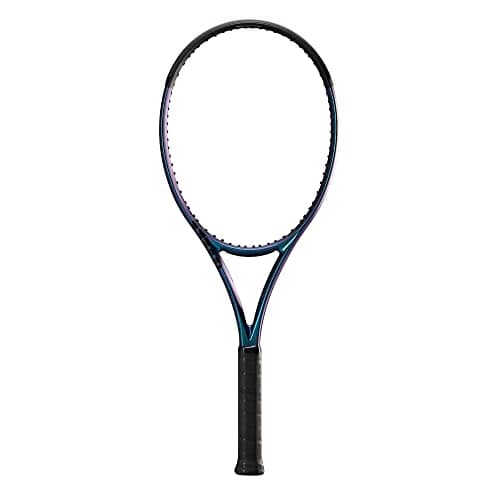
How we picked

We have not physically tested this gear

Everyone in this category says they tested twenty racquets. We have not tested any — and we say so. What we did instead: compiled the manufacturer-published specifications (head size, strung weight, string pattern, stiffness, outsole compound), normalized them, and scored each product against a published rubric weighted for the NTRP tier this page serves. The scores are judgments from documented research, not measurements we took, because we do not have a lab and are not going to pretend we do.

Questions

Frequently asked

What is swing weight on a tennis racquet?
A measure of how hard the frame is to accelerate through a swing, rather than what it weighs on a scale. Technically it is the racquet's moment of inertia about the handle, which means mass far from your hand counts for far more than mass near it.
Is a higher or lower swing weight better?
Neither, in the abstract. Higher gives plow-through and stability against pace and suits a one-handed backhand; lower gives faster hands and suits doubles, fast serving opponents and anyone whose arm tires. Choose by whether your shots land short (go higher) or you make contact late (go lower).
Why do two racquets of the same weight feel different?
Because the weight is in different places. Mass out at the tip resists rotation far more than the same mass in the handle, so two frames that read identically on a scale can feel a world apart mid-forehand. That difference is what swing weight captures and static weight does not.
How do I lower the swing weight of my racquet?
You cannot remove mass from a finished frame, so the practical moves are to add weight in the handle (which makes the frame more head-light and faster-feeling), use a lighter overgrip and dampener, and string slightly thinner. If the frame is genuinely too much, the honest answer is a lighter racquet.
How much lead tape should I add?
Published guidance suggests starting with about ten grams split into four symmetrical strips, and notes that one inch of half-inch-wide lead tape weighs roughly half a gram. Add it symmetrically, play with it for a week, and change one position at a time.

Keep reading

Receipts

Sources

We do not run a testing lab, and we do not pretend to. Our specs come from manufacturer listings and spec sheets; our rules and dimensions come from the official rulebook. Where we could not verify something, we say so on the page rather than quietly leaving it out. Read our full method.