Skip to content
Four Oh Club

The flagship · Racquets

High Quality Tennis Rackets

A graphite frame does not wear out the way shoes or strings do. So quality here means construction, a line that does not get reinvented every season, and parts you can still buy in five years.

By Stephen V.Updated How we score
#ad

We earn a commission when you buy through our Amazon links, at no extra cost to you. It never changes our rankings, and we say so when the cheaper racquet is the better buy. How this works.

If you want to buy one high quality tennis racquet and keep it, buy the Wilson Blade 98 (16x19) v9 — 98 sq in, 11.4 oz strung, a FORTYFIVE flex layup, and the frame club players keep coming back to across generations. If you want the most traditionally built frame on this site, the Wilson Pro Staff 97 v14 is braided graphite and Kevlar at 11.7 oz and it is the closest thing to a lifetime racquet in modern tennis. If your arm is the thing you are protecting over the long run, the HEAD Prestige MP L's 18x20 pattern or the Wilson Clash 100 v3 at RA 54 are the two to look at.

But first the thing nobody selling racquets will tell you, because it reframes the whole question.

A graphite frame does not wear out

This page gets found by people who have just replaced something and do not want to do it again. On shoes and strings that instinct is exactly right. On racquets it is aimed at the wrong target, because the frame is not the part that fails.

A modern graphite composite frame played recreationally will outlast your interest in it. What actually wears out on a racquet is a short list of cheap consumables: the strings (every few months), the grip (once or twice a year), the overgrip (every few weeks) and the grommet strip (every several restrings). All four are replaceable for a fraction of the frame's cost. A frame generally dies from being cracked in a collision with a court, a fence or a doubles partner — not from use.

So "high quality" in a racquet does not mean "lasts longer." It means four other things, and they are all worth paying for:

1. Construction you can read in the spec sheet. Braided graphite layups, published stiffness (RA) figures, and consistent weight and balance from frame to frame. The Pro Staff 97 v14 publishes braided graphite and Kevlar; the Clash 100 v3 publishes RA 54; the Pure Drive publishes RA 69. A manufacturer that publishes numbers is a manufacturer you can hold to them.

2. A line that does not get reinvented. This is the most underrated quality signal in tennis. The Blade, the Pro Staff, the Prestige, the Radical and the Speed are lines that get refined across generations rather than replaced. That matters practically: when you need a second frame to match, or a grommet set in four years, it exists. A one-off model in a discontinued line leaves you stranded.

3. Parts availability. Grommet strips are frame-specific and they are the one part a well-used racquet genuinely needs. Flagship lines from the big four have them stocked for years. This is the actual meaning of buy-it-for-life in this category.

4. A spec that suits you. A beautifully built 11.7 oz player's frame is a bad racquet for a 3.0 player, and no amount of quality fixes that. We will come back to this, because it is where most expensive-racquet regret comes from.

What "highest rated" actually measures

One of the searches that lands here is "highest rated tennis racket," and it is worth being straight about what a rating is. On retail sites a rating is an average of self-selected buyers of that frame — people who chose it because it suited them. It tells you a frame is not defective and that its buyers liked it. It cannot tell you whether the frame suits you, because the people rating it are not you.

Our own scores are judgments from the manufacturer-published specifications, normalized and weighted by NTRP tier against a published rubric. We have not hit a ball with any of these frames and we are not going to pretend we have. What we can do is tell you honestly what the spec sheet implies and who it implies it for.

The most common expensive mistake

Buying the best-built frame in the shop at a spec you cannot swing. A 97 sq in head at 11.7 oz with a tight string pattern is a precision instrument for someone generating their own pace. Given to a 3.0 player it produces short balls, a sore shoulder and the conclusion that tennis is hard.

So before price, settle level. If you are a 3.5 to 4.0 club player — the four-oh club — the right version of this page is the best intermediate racquets or the 4.0 ranking. If you are starting out, beginner frames will serve you better than anything here, and the NTRP guide will tell you which you are. If you are 4.5 and above, advanced frames is the deeper page.

So which quality frame should you buy?

One racquet, keep it, play club tennis for years → Wilson Blade 98 (16x19) v9. 98 sq in, 11.4 oz strung, 16x19 pattern, FORTYFIVE flex. It is the most frequently re-bought player's frame in club tennis and the line is not going anywhere.

The most traditionally built frame here → Wilson Pro Staff 97 v14. Braided graphite and Kevlar, 11.7 oz strung, 97 sq in. Demanding, and the closest thing to an heirloom racquet currently sold.

Precision above everything → HEAD Prestige MP L. An 18x20 pattern at 11.0 oz strung with an Auxetic layup; the Prestige name has meant exactly this for decades, which is the line-continuity argument in one product.

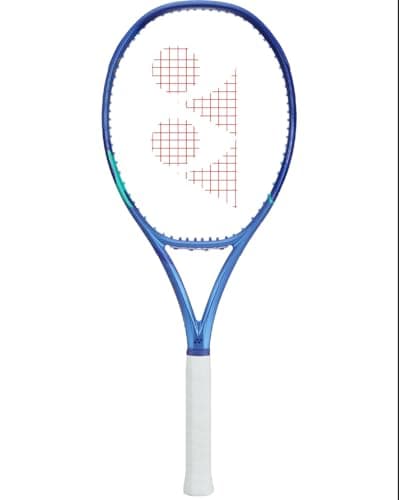
Modern engineering rather than tradition → Yonex EZONE 98, with the isometric head and a published VDM damping layer, or the HEAD Speed MP with Auxetic 2.0 if you swing fast and flat.

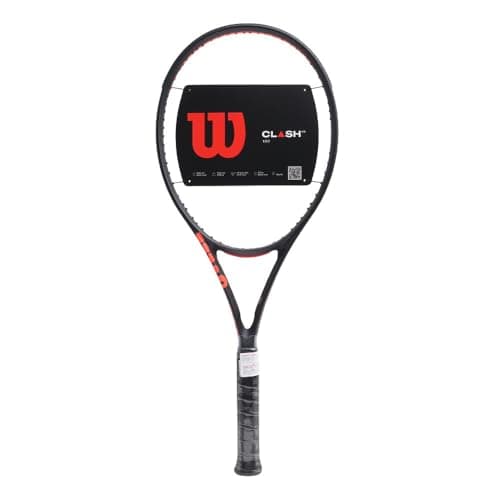
Quality and an arm you want to still have at sixty → Wilson Clash 100 v3. Tennis Warehouse publishes it at RA 54 stiffness, 100 sq in, 11.0 oz strung and 7 points head-light — a genuinely flexible premium frame, which is rare. See also racquets for tennis elbow.

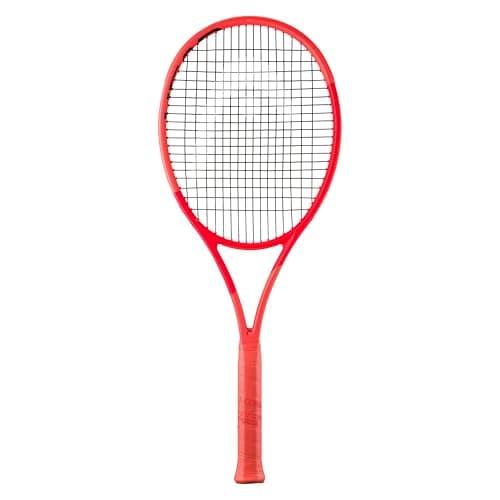
The all-court default → HEAD Radical MP. 98 sq in, 11.1 oz strung, ships strung, and a line that has been the sensible answer for club players for twenty-five years.

Two notes on actually buying one. First, the previous generation of any of these lines is the same quality at a discount, because the lines iterate rather than restart — that is the buy-it-for-life move in this category. Second, if you intend to keep a frame for years, buy two of the same while they are current. Matched frames are worth more than most upgrades, and it solves the mid-match string break that otherwise ends your day. The rest of the money question is in what tennis gear actually costs, and the cheaper end of the same decision is best cheap tennis rackets.

How to make any good frame last

Replace the grommets. Every few restrings, ask your stringer to check them. A worn grommet strip saws through strings and eventually through the frame's string holes, which is the one use-related way to kill a racquet. See what restringing costs.

Do not leave it in a hot car. Heat is harder on a strung frame than play is. Strings lose tension and the frame sits under uneven load. A bag with a thermal compartment exists for this reason — the bag ranking covers which have one.

Keep the grip alive. A dead grip makes you squeeze, and squeezing is how a good frame starts hurting your arm. It takes ten minutes to fix: how to regrip a racquet.

Get the grip size right once. You can adjust it with grips, but start from the right pallet — the grip size guide measures it in a minute.

Quality and tour spec are not the same axis, and it is worth reading both. The best pro tennis racquets ranks the same shelf by how close each frame is to what the tour plays, with an honest set of tests for whether a 4.0 should buy one. At the other end of the spec sheet, the lightest frames are ranked on published strung weight and nothing else.
The short answer

Quick picks

#Racquet / gearBest forScorePrice
01
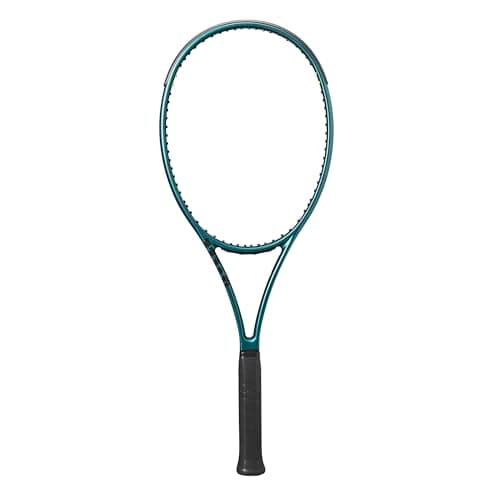
Wilson Wilson Blade 98 (16x19) v9
Wilson Blade 98 (16x19) v9

The control benchmark that still hits a heavy ball — the most-used frame in competitive club tennis, and deservedly.

Advanced all-courters
7.8
$219.00Amazon
02
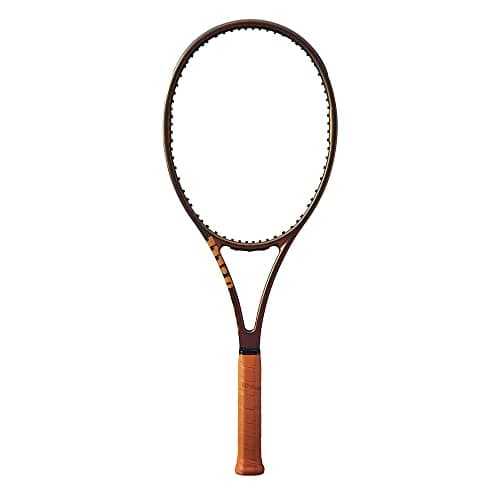
Wilson Wilson Pro Staff 97 v14
Wilson Pro Staff 97 v14

The purist's frame. Dense pattern, low power, total control — it gives you nothing and lets you do anything.

Advanced flat hitters
7.0
$319.55Amazon
03
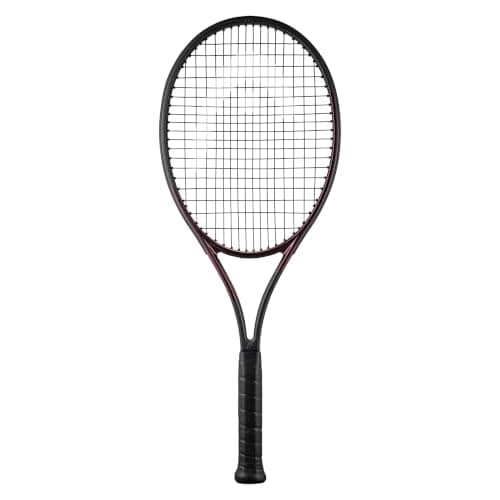
HEAD HEAD Prestige MP L (2023)
HEAD Prestige MP L (2023)

The classic 18x20 control frame, in its lighter L spec. Nothing goes long with this racquet — which is the entire point.

Precision ball-strikers
7.0
$259.00Amazon
04
Yonex Yonex EZONE 98
Yonex EZONE 98

The EZONE's control sibling, and the most complete racquet on this page: power, spin, comfort and a 98 sq in head that still forgives.

Advanced all-rounders
8.0
$305.00Amazon
05
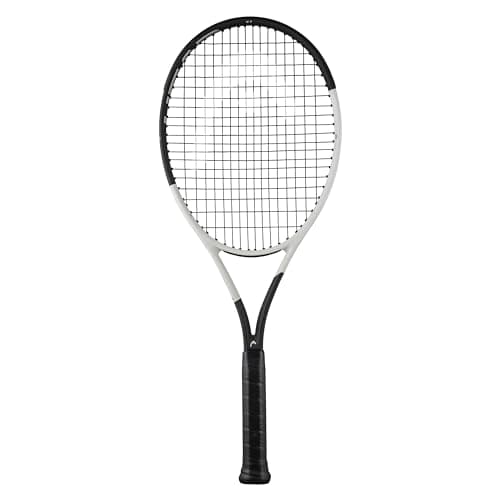
HEAD HEAD Speed MP (2024)
HEAD Speed MP (2024)

The fast, modern all-court frame — a 100 sq in head with a dense-enough pattern to control it. Djokovic's family of racquet, in a club-playable spec.

Fast-swinging all-courters
7.8
$169.00Amazon
06
Wilson Wilson Clash 100 v3
Wilson Clash 100 v3

The 4.0 player's racquet. Unusually flexible for a modern frame, so it bends around the ball instead of jarring your arm — and it still hits a heavy ball.

NTRP 3.5–4.0 all-courters
8.0
$224.25Amazon
07
HEAD HEAD Radical MP
HEAD Radical MP

The most balanced racquet in tennis. Nothing about the Radical MP is extreme, which is exactly why it has stayed in the range for thirty years.

All-court 4.0s
7.4
$219.00Amazon

#ad · Live prices from the Amazon Product API, as of October 19, 2026. Where we have no verified live price, we show none — we would rather leave a gap than print a number that has rotted.

In detail

The picks, in full

01
Wilson Wilson Blade 98 (16x19) v9

Advanced all-courters

Wilson Blade 98 (16x19) v9

98 sq in head11.4 oz strung16x19 patternFORTYFIVE flex
7.8/10

The control benchmark that still hits a heavy ball — the most-used frame in competitive club tennis, and deservedly.

Control
9
Power
7
Spin
8
Comfort
8
Value
7

Pros

  • FORTYFIVE construction gives it a flex profile that is comfortable without going soft — the reason it is the default 4.5 recommendation
  • 16x19 on a 98 is the sweet spot of the whole racquet market: control, but with real spin access
  • Ships strung with Sensation 16, a comfortable multifilament, so the factory setup is actually usable

Cons

  • Needs a full swing to produce depth; it does not help a short stroke
  • The v9's muted feel divides opinion against the crisper v7

Don't buy this if…

…you need help generating pace. The Blade rewards the swing you bring; it adds nothing.

$219.00View on Amazon

Price as of October 19, 2026. Prices change — Amazon's is the one that counts.

#ad · we may earn a commission from this link to Wilson Blade 98 (16x19) v9

02
Wilson Wilson Pro Staff 97 v14

Advanced flat hitters

Wilson Pro Staff 97 v14

97 sq in head11.7 oz strung16x19 patternBraided graphite/Kevlar
7.0/10

The purist's frame. Dense pattern, low power, total control — it gives you nothing and lets you do anything.

Control
10
Power
5
Spin
7
Comfort
7
Value
6

Pros

  • Braided graphite and Kevlar layup delivers the most connected, informative feel of any frame on this list
  • Low-powered by design, which means you can swing out fully and the ball still lands in
  • Heavy enough (11.7 oz strung) to absorb pace rather than be deflected by it

Cons

  • Demands a long, complete swing — an incomplete stroke produces a short ball every time
  • Almost no free power; a 3.5 will spend the whole match pushing

Don't buy this if…

…you are below 4.5 or your swing is still developing. This frame is a diagnosis, not a cure.

$319.55View on Amazon

Price as of October 19, 2026. Prices change — Amazon's is the one that counts.

#ad · we may earn a commission from this link to Wilson Pro Staff 97 v14

03
HEAD HEAD Prestige MP L (2023)

Precision ball-strikers

HEAD Prestige MP L (2023)

98 sq in head11.0 oz strung18x20 patternAuxetic
7.0/10

The classic 18x20 control frame, in its lighter L spec. Nothing goes long with this racquet — which is the entire point.

Control
10
Power
5
Spin
6
Comfort
7
Value
7

Pros

  • 18x20 on a 98 is the tightest commonly available string bed — depth control is absolute
  • The L spec drops weight from the standard Prestige, which makes an unforgiving frame playable for a club player
  • Thirty-year lineage; stringers and coaches know exactly how to set it up

Cons

  • Lowest power and lowest spin on this list — you must generate everything
  • A dense pattern eats strings more slowly but transmits more shock

Don't buy this if…

…you are not consistently hitting the middle of the string bed. The Prestige is merciless about that.

$259.00View on Amazon

Price as of October 19, 2026. Prices change — Amazon's is the one that counts.

#ad · we may earn a commission from this link to HEAD Prestige MP L (2023)

04
Yonex Yonex EZONE 98

Advanced all-rounders

Yonex EZONE 98

98 sq in isometric head11.6 oz strung16x19 patternGraphite + VDM
8.0/10

The EZONE's control sibling, and the most complete racquet on this page: power, spin, comfort and a 98 sq in head that still forgives.

Control
9
Power
8
Spin
8
Comfort
9
Value
6

Pros

  • Hits the rare four-way balance — real power, real spin, real control and a soft feel
  • Isometric head shape makes a 98 behave closer to a 100 on off-center hits
  • The most-played frame on the women's tour family, which tells you about its usability

Cons

  • Expensive, and Yonex rarely discounts
  • Muted Yonex feel will frustrate anyone who wants crisp feedback

Don't buy this if…

…budget is the deciding factor. The Dunlop CX 200 LS gets you 80% of the control for a third of the money.

$305.00View on Amazon

Price as of October 19, 2026. Prices change — Amazon's is the one that counts.

#ad · we may earn a commission from this link to Yonex EZONE 98

05
HEAD HEAD Speed MP (2024)

Fast-swinging all-courters

HEAD Speed MP (2024)

100 sq in head11.3 oz strung16x19 patternAuxetic 2.0
7.8/10

The fast, modern all-court frame — a 100 sq in head with a dense-enough pattern to control it. Djokovic's family of racquet, in a club-playable spec.

Control
9
Power
7
Spin
8
Comfort
7
Value
8

Pros

  • Combines a 100 sq in head with control-frame weight, so it is forgiving without being loose
  • Auxetic 2.0 gives crisp, precise feedback — you know exactly where on the face you hit it
  • Very quick through the air for its weight, which suits a serve-and-first-strike game

Cons

  • Crisper and stiffer-feeling than the Clash or Boom — less forgiving on the arm
  • Falls between stools for some: not as controlled as a 98, not as powerful as a Pure Drive

Don't buy this if…

…you are prone to elbow pain. The Speed's crisp feel comes from a frame that transmits rather than absorbs.

$169.00View on Amazon

Price as of October 19, 2026. Prices change — Amazon's is the one that counts.

#ad · we may earn a commission from this link to HEAD Speed MP (2024)

06
Wilson Wilson Clash 100 v3

NTRP 3.5–4.0 all-courters

Wilson Clash 100 v3

100 sq in head11.0 oz strung16x19 patternRA 54 stiffness
8.0/10

The 4.0 player's racquet. Unusually flexible for a modern frame, so it bends around the ball instead of jarring your arm — and it still hits a heavy ball.

Control
8
Power
7
Spin
8
Comfort
10
Value
7

Pros

  • Low stiffness rating with modern power — the combination that makes it the default recommendation for a club player with a twinge in the elbow
  • Flexible layup gives a long dwell time on the string bed, which translates directly into feel on drop shots and touch volleys
  • 100 sq in and a 16x19 pattern is the most forgiving spec that still rewards clean contact

Cons

  • The flex that makes it comfortable also costs you some free depth against a pusher
  • Premium price; this is the most expensive intermediate frame we list

Don't buy this if…

…you want a frame that does the work for you. The Clash asks you to swing; the Pure Drive does not.

$224.25View on Amazon

$299.0025% off

Price as of October 19, 2026. Prices change — Amazon's is the one that counts.

#ad · we may earn a commission from this link to Wilson Clash 100 v3

07
HEAD HEAD Radical MP

All-court 4.0s

HEAD Radical MP

98 sq in head11.1 oz strung16x19 patternShips strung
7.4/10

The most balanced racquet in tennis. Nothing about the Radical MP is extreme, which is exactly why it has stayed in the range for thirty years.

Control
8
Power
7
Spin
7
Comfort
7
Value
8

Pros

  • Genuinely does everything adequately — serve, volley, drive, slice — which suits the all-court club player better than a specialist frame
  • 98 sq in with a 16x19 pattern is the classic control-plus-spin compromise
  • Ships strung at mid tension, so it is playable immediately

Cons

  • Being good at everything means it wins nothing outright — no category here is a 9
  • This is an older generation of the Radical; the current model costs considerably more

Don't buy this if…

…you know your game needs one specific thing (free power, maximum spin, maximum comfort). Buy the specialist.

$219.00View on Amazon

Price as of October 19, 2026. Prices change — Amazon's is the one that counts.

#ad · we may earn a commission from this link to HEAD Radical MP

How we picked

We have not physically tested this gear

Everyone in this category says they tested twenty racquets. We have not tested any — and we say so. What we did instead: compiled the manufacturer-published specifications (head size, strung weight, string pattern, stiffness, outsole compound), normalized them, and scored each product against a published rubric weighted for the NTRP tier this page serves. The scores are judgments from documented research, not measurements we took, because we do not have a lab and are not going to pretend we do.

Questions

Frequently asked

What is the highest quality tennis racket?
For a club player buying once, the Wilson Blade 98 (16x19) v9 — 98 sq in, 11.4 oz strung, a FORTYFIVE flex layup and a line that gets refined rather than replaced. The Wilson Pro Staff 97 v14 is the most traditionally built frame on this site, in braided graphite and Kevlar, but at 11.7 oz it demands a player who can swing it.
How long does a tennis racket last?
A graphite frame played recreationally will outlast your interest in it. What wears out is the consumables: strings every few months, the grip once or twice a year, the overgrip every few weeks, and the grommet strip every several restrings. Frames usually die from impact damage, not from use.
Is an expensive tennis racket worth it?
It is worth it for construction consistency, published specs, line continuity and parts availability — all of which are real. It is not worth it if the spec is wrong for your level: a 97 sq in frame at 11.7 oz given to a 3.0 player produces short balls and a sore shoulder. Settle your level first, then spend.
Does a high quality racket make you play better?
A frame that matches your swing will help; a frame that does not will hurt, however well made it is. The honest ranking of what improves your tennis is coaching, then strings and tension, then the frame. Within the right spec band, build quality shows up as consistency rather than as extra performance.
Should I buy two of the same racket?
If you play league tennis and intend to keep the frame for years, yes. Two matched frames mean a mid-match string break does not end your day, and they wear evenly. Buy them while the generation is current, because matching an older frame later is harder than it sounds.
Are 'highest rated' racket ratings reliable?
They tell you a frame is not defective and that the people who chose it liked it. They cannot tell you whether it suits you, because the raters self-selected into that spec. Read the published specs — head size, strung weight, balance, string pattern, stiffness — against your own level instead.

Keep reading

Receipts

Sources

We do not run a testing lab, and we do not pretend to. Our specs come from manufacturer listings and spec sheets; our rules and dimensions come from the official rulebook. Where we could not verify something, we say so on the page rather than quietly leaving it out. Read our full method.