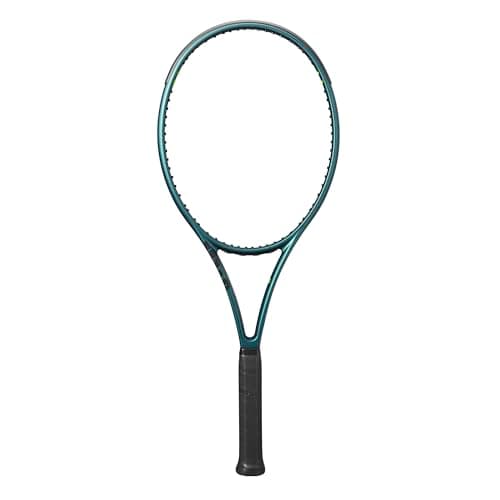
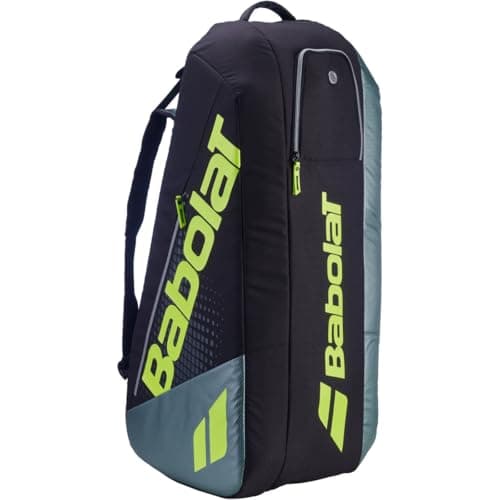
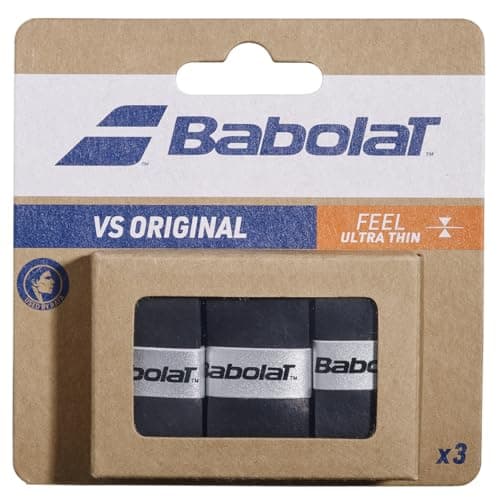
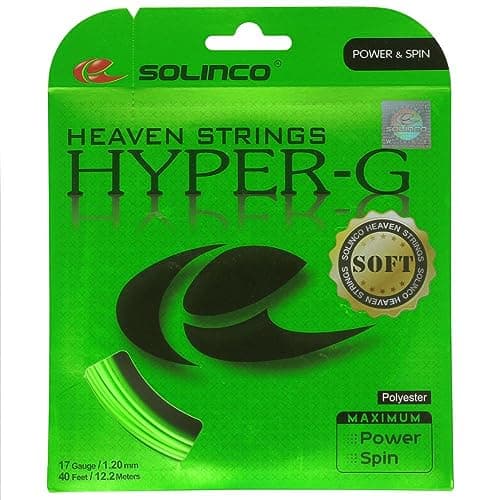
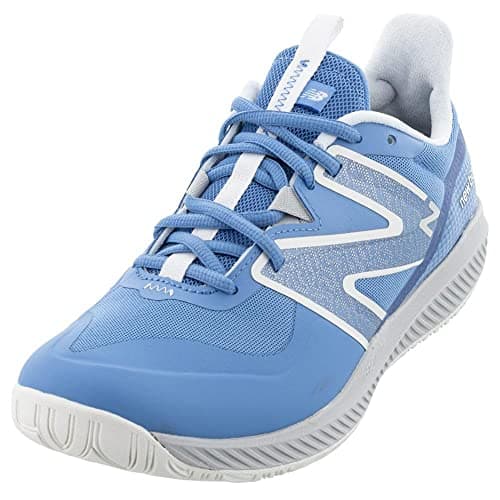
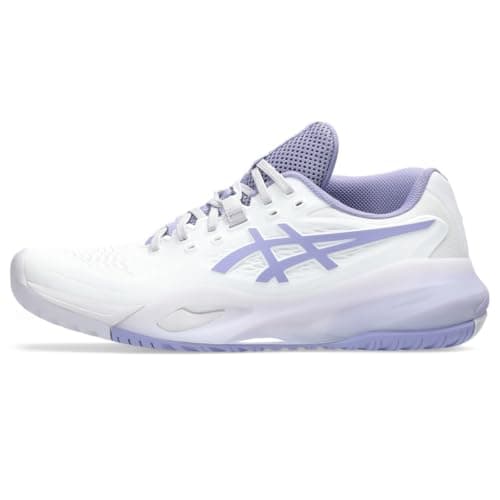
If you buy one piece of tennis gear, buy court shoes: the ASICS Gel-Resolution X (Women's). It is the most protective women's-last court shoe we rank, and it is the only purchase on this page that affects whether you get injured rather than how well you play. After that, in order: a light control frame (Wilson Blade 100L v9), a bag with a thermal racquet compartment, a three-pack of overgrips, and a set of string. That is the whole kit.
This page is equipment, not apparel. Searches for “tennis gear for women” split between the two, and we only cover one honestly: racquets, shoes, strings, bags and accessories. We do not rank skirts, dresses or tops, and a page that did would be guessing at fit and fabric it has never handled.
Buy it in this order, not all at once
The single most common way to waste money starting tennis is buying a complete kit in one afternoon. Equipment needs are set by how you actually play, and you do not know that yet in week one. The order below is ranked by how much each item changes your experience per dollar.
1. Court shoes. Tennis is a sideways sport. Running shoes have no lateral support and no court outsole, and rolling an ankle in them is the most common avoidable tennis injury there is. This is the one item where the cheap option is genuinely a bad idea.
2. A racquet that matches your swing speed. Not the one that matches your ambitions. Most women buying a first or second frame are better served by something in the 10–10.5 oz strung range with a 100 sq in head than by a tour frame.
3. A bag with a thermal compartment. Unglamorous and genuinely useful: heat destroys string tension, and a racquet that lives in a hot car plays measurably differently from week to week.
4. Overgrips. A few dollars, replaced every few weeks, and the thing you touch on every single shot. Nothing else on this page has a better ratio of effect to cost.
5. String. Only once you know whether you break strings and whether your arm complains. Before that, play whatever the frame came with and restring on schedule.
Is there such a thing as a women's racquet?
Not really, and it is worth saying plainly because the marketing implies otherwise. There is no women's-specific frame geometry, no women's string pattern and no women's head size. What exists is a lighter end of every brand's line-up — frames in the 9.5–10.5 oz strung band, often with smaller grip sizes stocked more deeply — and those frames suit anyone with a developing or compact swing regardless of who they are.
So the Blade 100L here is not on this page because it is “for women”. It is here because 10.4 oz strung with a 100 sq in head and a 16x19 pattern is the spec most club players in this bracket should be playing, and because Wilson stocks it in the smaller grips that a smaller hand needs. The full ranking is at best tennis rackets for women.
Shoes are where the women's-specific part is real
Unlike racquets, court shoes genuinely are built on different lasts. A women's court shoe has a narrower heel cup, lower instep volume and a narrower overall last than the men's version of the same model — which is why sizing down into a men's shoe works badly for most people, and why the women's models lead this list.
Two caveats worth knowing. First, if you have a genuinely wide foot, the choice on a women's last is thin: the New Balance 796 v3 in D is the widest women's court shoe we rank, and beyond that you are into the unisex wide-fitting shoes. Second, grip size and shoe size are the two specs people get wrong most often, and both are measurable rather than guessable — see tennis grip size.
Two apparel pages go deeper than this one does. The best tennis skirts ranks skirts and skorts on the two things that decide them on a court — real ball pockets and a proper built-in liner — and the best tennis outfits for women covers dresses and tops.
The kit, with what each item does
| Item | Our pick | Why this one | Replace every |
|---|
| Court shoes | ASICS Gel-Resolution X (Women's) | DYNAWALL lateral support, full AHAR Plus outsole | 60–100 playing hours |
| Racquet | Wilson Blade 100L v9 | 10.4 oz strung, 100 sq in, 16x19 — control without the weight | 3–5 years |
| Bag | Babolat Pure Aero Tennis Bag (RH6) | Thermal racquet compartment; heat is what kills string tension | Years |
| Overgrip | Babolat VS Original (3-pack) | Thin and tacky; keeps a small grip small | Every 4–8 sessions |
| String | Solinco Hyper-G Soft 17 | A softened poly — control without the usual stiffness penalty | See the restring schedule |
| Wide-foot alternative | New Balance 796 v3 (Women's) | The only women's-last court shoe here in B and D widths | 60–100 playing hours |
What a complete kit actually costs
We do not print a total, because every number on this site is a live price that changes daily and a total would be stale by tomorrow. What we can tell you is the shape of it: the shoes and the racquet are the two real costs, and they are roughly comparable to each other. Bag, overgrips and a set of string together come to a fraction of either.
If the budget only stretches to one of the two big items this month, buy the shoes and play with a borrowed or club racquet. A mediocre frame in good shoes is a far better arrangement than the reverse, and it is the cheaper mistake to fix.
What we deliberately left out
Apparel. Covered above — not our subject.
A ball machine. Genuinely transformative and genuinely expensive. It belongs in a second wave of buying, not a first kit. If you are already there, see the best tennis ball machines.
Vibration dampeners, wristbands, elbow sleeves. All real products, none of them load-bearing. A dampener changes the sound and the feel of the frame and does not reduce the shock reaching your arm, whatever the packaging says. If your arm hurts, the fix is the string and the tension, not an accessory — see strings for tennis elbow.
Balls. Not because they do not matter but because they are a consumable bought by the case rather than a kit decision. Extra duty felt for hard courts; see the best tennis balls.
Where to go next by level
This page is a kit, not a curriculum. The level hubs are where the picks get weighted for how you actually play: NTRP 2.0–3.0 if you are still learning to rally, NTRP 3.5–4.0 — the four-oh club if you play league or social matches, and NTRP 4.5+ if you are competing.
And if you are buying for someone else — this term peaks in March and again before Christmas, which is not a coincidence — the two safe gifts are the overgrip multipack and the bag. Shoes and racquets both depend on fit, and a gift that does not fit is a return. That whole decision, grouped by price and written for somebody who does not play, is in tennis gifts for her and the general gifts for tennis players page.
Two items that are not in the kit above but belong in any honest women's list, because both are genuinely cut differently and both get skipped: padded tennis socks (a women's last moves where the forefoot and heel padding land) and sport sunglasses (frame width and bridge fit decide whether they stay on).
What this page deliberately does not cover is clothing, which is its own decision and turns on two functions rather than on fashion — a pocket that holds a ball, and a fit that stays put through a lunge. Dresses, skorts, tops and the layers are ranked at the best tennis outfits for women. If you are buying any of it for somebody else, gifts for tennis moms is written for a buyer who does not play.