NTRP 2.0-3.0
Tennis for Beginners (NTRP 2.0-3.0)
If you are still learning to rally consistently, this is your page. We pick for forgiveness and value — a wide sweet spot matters far more than control when your contact point is still moving around.
We earn a commission when you buy through our Amazon links, at no extra cost to you. It never changes our rankings, and we say so when the cheaper racquet is the better buy. How this works.
Your kit, curated
What to buy at this level
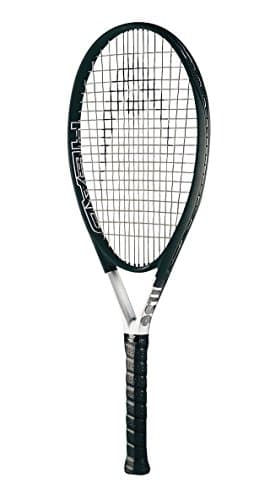
Best beginner racket
HEAD Ti S6
The best-selling beginner frame of the last twenty years, and still the right answer: enormous head, feather weight, free power on every swing.
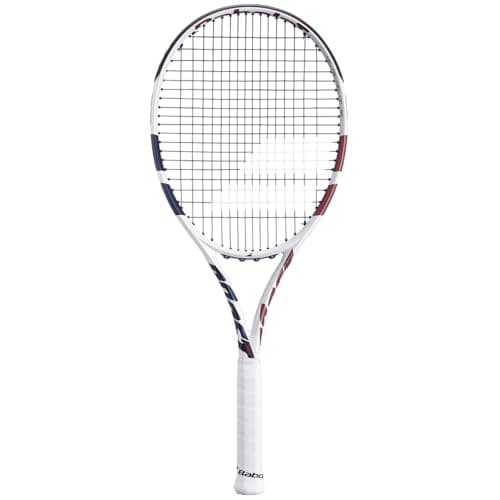
Best if you are committed
Babolat Boost Drive
The best true beginner racquet here: a real graphite Babolat tuned down to beginner weight, so it plays like the frame you will upgrade to.
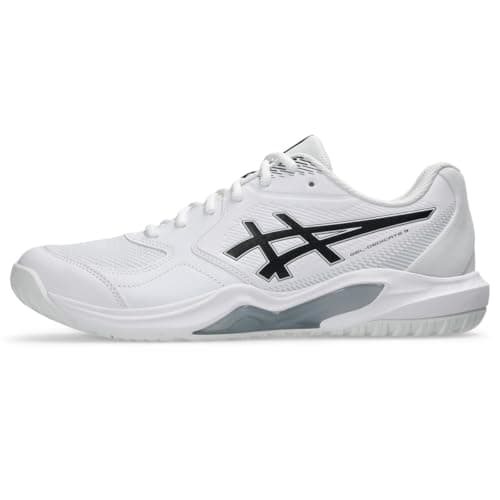
Best first court shoe
ASICS Gel-Dedicate 9 (Men's)
The best cheap tennis shoe. A real ASICS court shoe at a fraction of the Resolution's price — the one to buy for a beginner, no argument.
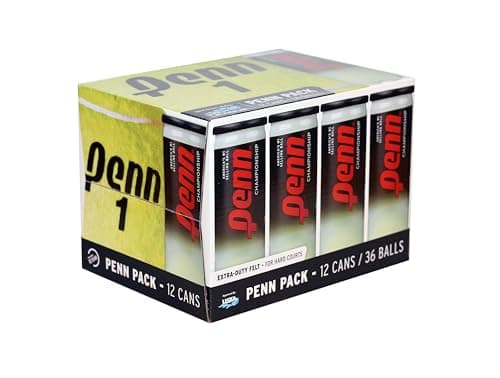
Buy balls by the case
Penn Championship Extra Duty (12 cans)
The most-played ball in America, bought the way you should buy balls — by the case. Extra duty felt for hard courts.
Your first restring
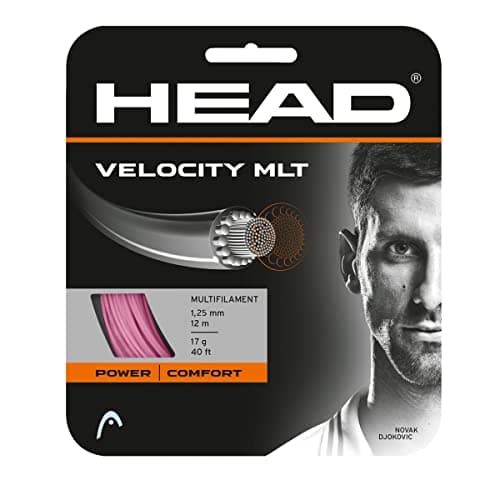
HEAD Velocity MLT 17 (set)
The budget multifilament, and the right first upgrade from factory string — comfortable, lively and genuinely cheap.
All you need to carry it
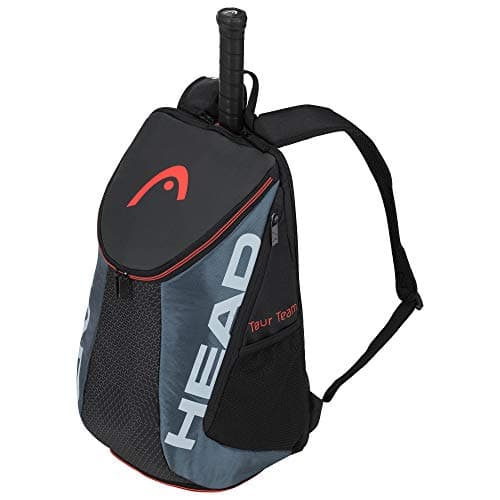
HEAD Tour Team Tennis Backpack
The right bag for most club players: two racquets, a shoe compartment, and backpack straps — everything a weekly hit needs and nothing it doesn't.
Welcome — here is everything a new player actually needs
Tennis has a reputation for being expensive to start, and it is not deserved. You do not need a $300 racquet, a wardrobe of court shoes, or anything with the word “pro” on it. You need a forgiving racquet, shoes that stop your ankle rolling sideways, and a case of balls. That is genuinely it — and it costs less than most people expect. Our tennis gear checklist sets out the order to buy in.
Your first racquet: buy forgiveness, not power
The single most common beginner mistake is buying the racquet a professional uses. Pro frames are heavy, have small heads, and are built to remove power, because a pro generates so much racquet-head speed that an ordinary frame would send every ball long.
In your hands that frame does the opposite of what you need. The small head means most of your contacts are off-center, and off-center on a control frame is a ball that dies in the net. Then you start swinging harder to compensate, which wrecks the technique you came to build. What you want instead is a big head — 105 square inches at minimum, and 110–115 is better — and under about ten ounces. Our best beginner rackets are all chosen for exactly that.
Grip size is the thing people get wrong
Head size gets all the attention; grip size causes all the problems. A grip that is too small makes you squeeze to stop the frame twisting, and sustained squeezing is the fastest route to tennis elbow in a new player. Most adult men take 4 3/8" and most adult women 4 1/4", but measure rather than assume — the grip size guide has a ten-second test, and the fix if you buy one slightly too small.
Please don't play in running shoes
If you take one thing from this page, make it this. Tennis is a game of hard sideways pushes followed by dead stops, and running shoes are built for the exact opposite — moving forward. Their tall, soft heels roll outward when you push off sideways, which is how ankles turn. Court shoes have a firmer, lower, wider platform and a reinforced lateral wall that catches the foot before it rolls.
They also survive the court. A hard court is acrylic over concrete with sand in the coating for grip — functionally an abrasive — and a running outsole is gone in weeks. It is the cheapest, highest-impact upgrade you can make, and it is about safety as much as performance.
Buy balls by the case, and get the right felt
Two small decisions worth getting right. Buy extra duty felt if you play on hard courts, which is most American club tennis — regular duty felt is thinner and fluffs up and dies within a set on an abrasive surface. And buy a case rather than a can: the per-can price drops sharply and you will get through them faster than you think.
Do not think about string yet
Your racquet came strung and that string is perfectly fine to learn on. Somewhere between six months and a year from now it will be dead and you will restring it, and at that point a soft multifilament is the right choice — comfortable, powerful, and forgiving of imperfect technique. Everything you need to know is in polyester vs multifilament, and the short version is: not polyester, not yet.
What you can safely ignore for now
Vibration dampeners (they change the sound, nothing else). Ball machines (four figures, and they groove whatever technique you currently have). Training aids, until you can name the specific problem you want to fix. Spin strings, swing weight, lead tape, and anything involving the phrase “string pattern”. All of it becomes relevant, and none of it is relevant this month.
When you're ready for more
You will know you have out-grown a beginner racquet when two things are true at once: you can rally ten balls cross-court without thinking about it, and you have started hitting balls long when you swing properly. That second one is the real signal — it means the frame is now supplying more power than your swing needs, which is exactly the moment a 3.5–4.0 frame starts making you better rather than worse.
For most people playing weekly, that is somewhere between six months and two years. There is no rush, and a good beginner racquet will serve you well the whole way. When you get there, NTRP ratings explained will tell you which section of this site to read next.