NTRP 3.5-4.0
Tennis for 3.5-4.0 Players
This is the four-oh club — the level most recreational players are aiming at. You rally with direction, you serve reliably, and the frame and the string in it now genuinely change your results.
We earn a commission when you buy through our Amazon links, at no extra cost to you. It never changes our rankings, and we say so when the cheaper racquet is the better buy. How this works.
Your kit, curated
What to buy at this level
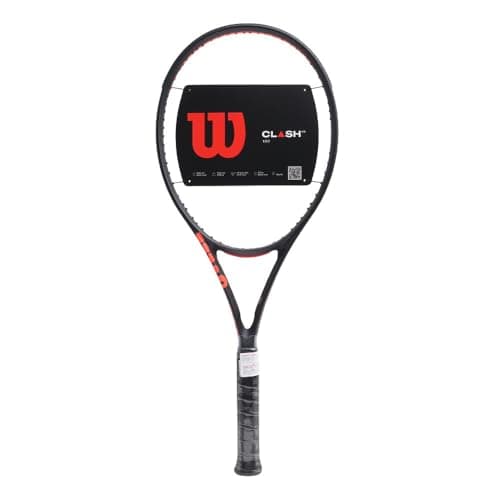
Best 3.5-4.0 racquet
Wilson Clash 100 v3
The 4.0 player's racquet. Unusually flexible for a modern frame, so it bends around the ball instead of jarring your arm — and it still hits a heavy ball.
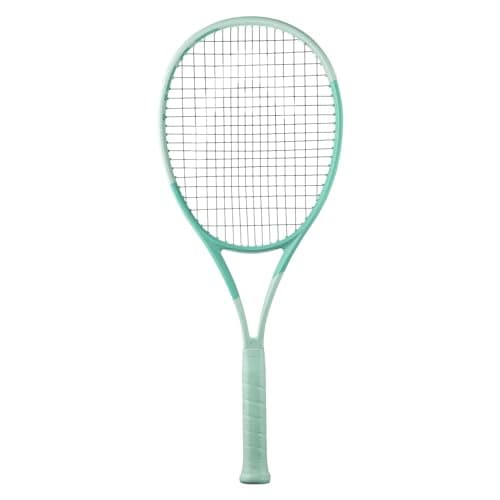
Best value upgrade
HEAD Boom MP
HEAD's answer to the Clash: a soft, spin-friendly 100 that ships strung, which makes it the easiest full upgrade to actually order.
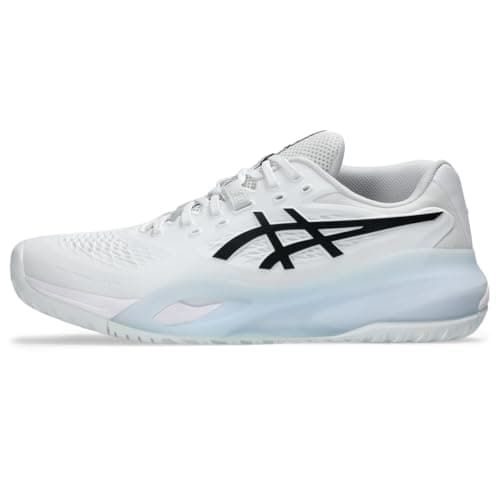
Best court shoe
ASICS Gel-Resolution X (Men's)
The most supportive tennis shoe sold, and the default answer to 'best tennis shoes'. If you slide, stop and change direction hard, buy these.
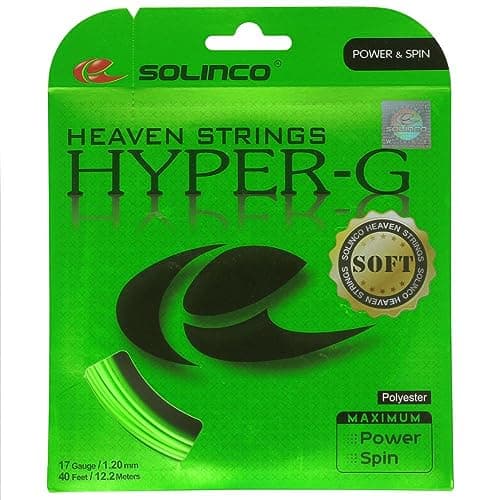
Best string to try first
Solinco Hyper-G Soft 17 (set)
The best-value spin poly, and the one to buy first. Hyper-G gives you most of an RPM Blast for roughly half the price.
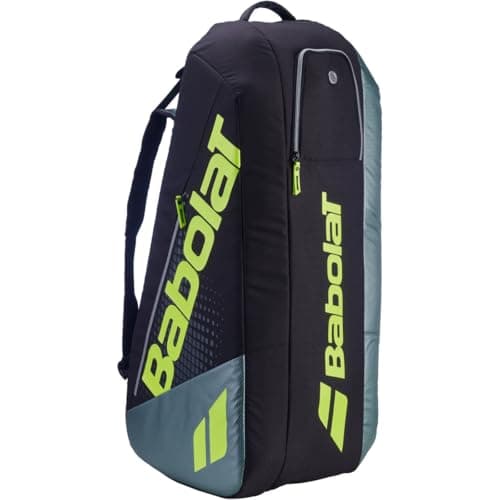
Best league bag
Babolat Pure Aero Tennis Bag (RH6)
The best six-racquet bag for a league player: thermal protection for the frames, a separate shoe compartment, and backpack straps that actually work.
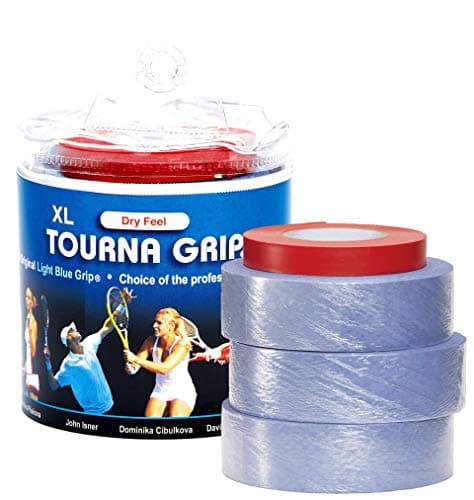
Best grip for sweaty hands
Tourna Grip XL Original (30-pack)
The one overgrip that gets tackier as your hands sweat. If you play in heat or humidity, nothing else is close.
This is the four-oh club
3.5 to 4.0 is the level this site is named after, and it is not an accident. 4.0 is the NTRP rating the recreational game is organized around: it is where USTA League play gets genuinely competitive, where most clubs have their deepest pool of players, and where most people who stick with tennis eventually land.
It is also the level where gear decisions finally show up in results. Below 3.5, the racquet mostly needs to stay out of your way. Above 4.5, you are the limiting factor and any decent frame will do. At 3.5–4.0 you generate enough racquet-head speed for a frame's specs to change your tennis, and your technique is not yet efficient enough to overcome a bad choice. That narrow window is why this site exists.
What changes at 3.5
Three things become true at once. You now swing fast enough that a beginner frame sends balls long. You hit the middle of the string bed often enough that a smaller, more precise head stops being a liability. And you have started to shape shots deliberately — topspin to bring a ball down inside the baseline, slice to change the pace — which means string pattern and frame aerodynamics start to matter.
The spec window that follows from that is narrower than most people expect: 100 square inches, 10.5–11.3 oz strung, 16x19 pattern. Our best intermediate racquets are all in it, and the 4.0 shortlist narrows it further.
The comfort trap nobody warns you about
Here is the sequence that costs intermediate players a season, and it is depressingly common. You improve. You start swinging faster. Someone tells you polyester string gives you more control, which is true. You string your stiff, powerful frame with a full bed of stiff polyester. Six weeks later your elbow hurts and you cannot play.
A high-stiffness frame plus a stiff poly bed is the single most common injury pathway in club tennis, and the published numbers make the risk legible: Tennis Warehouse lists the Babolat Pure Drive at RA 69 and the Wilson Clash 100 v3 at RA 54. Both are 100 sq in, both 16x19 — and one has fifteen points more frame stiffness going into your arm on every ball.
That is not an argument against the Pure Drive, which is a superb racquet. It is an argument for knowing which one you bought and stringing it accordingly. See Clash 100 vs Pure Drive and strings for tennis elbow.
Hybrid your strings
The genuinely right answer for most 3.5–4.0 players, and the one almost nobody is offered: polyester in the mains, multifilament in the crosses. You keep the snapback that generates spin, because that happens in the mains, and you keep a meaningful share of the comfort, because the crosses do a lot of the energy absorption.
It costs no more than a standard restring. Just ask for “poly mains, multi crosses” — any competent stringer will know exactly what you mean. The full argument is in polyester vs multifilament.
Restring more often than you do
This is the upgrade that will change your tennis more per dollar than a new racquet, and it is the one most club players skip. Modern polyester loses tension and elasticity fast and then sits in the frame looking perfectly fine for months. If you play twice a week and have not restrung this year, you are playing on a dead string bed.
Dead string costs you spin first, then depth control, and it transmits more shock than a fresh bed — so it is also quietly working on your elbow. The rule of thumb is as many restrings a year as you play per week, and on poly that is a floor. See how often to restring.
Your shoes are now a consumable
At 3.5–4.0 you are moving enough to need a full performance court shoe and enough to wear one out. Judge replacement by the midsole, not the tread: when the shoe stops feeling supportive on a hard lateral push, the foam has compressed permanently even though the outsole may look nearly new. That is roughly 60–100 hours of play.
If you play three or more times a week, rotating two pairs outlasts wearing two pairs consecutively, because midsole foam needs about a day to recover. See men's and women's tennis shoes.
What gets you to 4.5
Not equipment. The gap from 4.0 to 4.5 is consistency under pressure and point construction, and no frame supplies either. In rough order of impact: a second serve you would hit at 30–40 in a league match; the ability to play a sequence rather than a good individual shot; footwork that gets you there balanced; and competitive matches, because pressure is a skill and it is only trainable under pressure.
What equipment can do is stop holding you back — a frame in the right window, strung in the last few months, and shoes that let you get to the ball. That is a finite contribution, which is exactly why it is worth getting right. More on the level itself in what a 4.0 player looks like, and the next tier at advanced.