A 3.5 NTRP player has reliable strokes on moderate-paced balls and is starting to control direction deliberately. The serve goes in and a second serve is developing. What is missing is depth, consistency against pace, and a reliable plan.
The biggest band in club tennis
More recreational players sit at 3.5 than at any other rating. It is the level you reach once tennis has stopped being a struggle and before it starts being a sport you are good at, and plenty of people stay there happily for years.
It is also where equipment stops being irrelevant. Below 3.5 a racquet mostly needs to stay out of the way; at 3.5 you generate enough racquet-head speed that a beginner frame starts sending balls long, and you hit the middle of the string bed often enough that a more precise frame stops being a liability.
What a 3.5 can do
Groundstrokes: both wings are reliable when the ball arrives at a comfortable height and pace. The forehand is the stronger side for most 3.5s, with some topspin and some directional intent.
Serve: the first serve goes in with reasonable consistency. A second serve exists and is usually a slower version of the first rather than a different shot.
Net play: happening, but tentative. A 3.5 will come to the net when the opportunity is obvious and is usually unsure what to do with a low volley.
Rally: can keep a cross-court exchange going at a comfortable pace, which is the single clearest marker of having left 3.0 behind.
What a 3.5 cannot do yet
Handle real pace. A hard, deep ball produces a short reply or an error. This is the most reliable way to tell a 3.5 from a 4.0.
Hit with consistent depth. The ball goes over and in, but it lands around the service line often enough that a better opponent simply steps in.
Use spin as a tactic. There is topspin on the forehand, but it is a product of the swing rather than a choice made for a reason.
Trust the second serve. At 4.0 the second serve is something you hit; at 3.5 it is something that happens to you.
What actually moves a 3.5 to 4.0
In rough order of impact: depth, because a deep ball removes your opponent's options and nothing else changes matches as reliably; a real second serve with slice or kick, so you stop donating points; footwork, so you arrive balanced instead of reaching; and a plan— knowing which wing you are attacking and why.
Equipment contributes by not holding you back. See what a 4.0 player looks like for the next step up, and NTRP ratings explained for the whole scale.
The 3.5 gear window
| Item | Spec | Why |
|---|
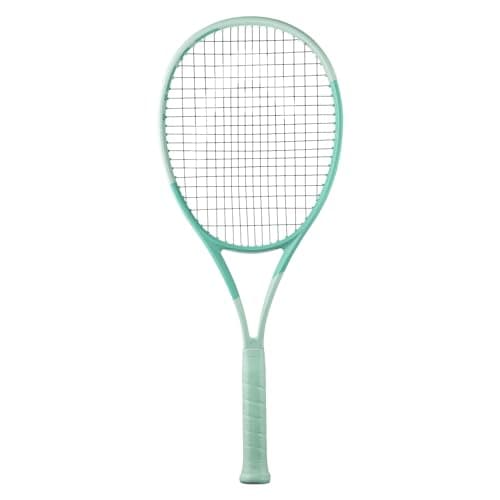
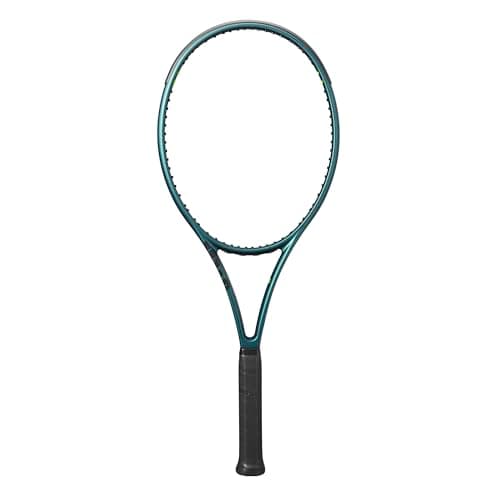
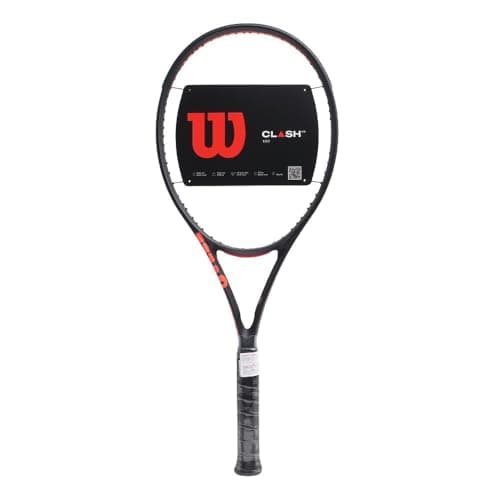
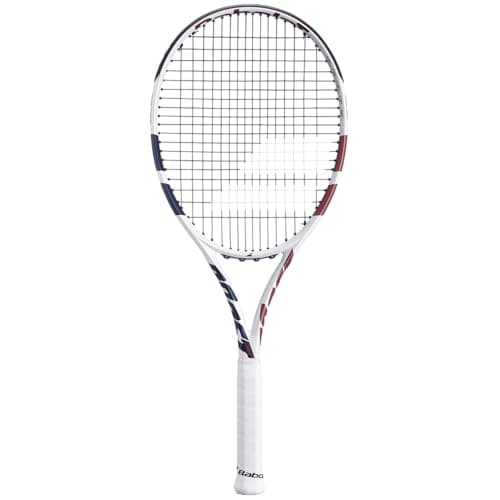
| Racquet | 100 sq in, 10.4–11.3 oz strung, 16x19 | Forgiving enough for the mishits you still make |
| String | Multifilament, or a hybrid if you swing fast | You do not yet need full polyester, and it will hurt you |
| Tension | Middle of the frame's published range | No reason to deviate until you know what you want |
| Shoes | Mid or full performance court shoe | You are now moving enough to need real lateral support |
The full shortlist is at best racquets for intermediate players, and the level hub is tennis for 3.5-4.0 players.
The upgrade sequence for a 3.5
If you came from a beginner frame, the order that gets the most out of your money:
1. Court shoes, if you are still in running shoes or in a worn-out pair. Safety first and it is the biggest single improvement available.
2. A performance racquet in the window above. This is the point at which it genuinely pays, and it is a three-to-five-year purchase.
3. A thoughtful string setup at your first restring, rather than whatever is on the machine. See polyester vs multifilament.
4. Coaching. The 3.5-to-4.0 gap is depth, second serve and footwork, and all three respond far better to an hour with a coach than to any purchase.
The mistake 3.5 players make
Going to a full polyester bed because a better player recommended one. At 3.5 your swing speed is now high enough that poly seems to make sense, and your technique is not yet efficient enough to absorb its stiffness. It is the classic route into tennis elbow.
If you want to try polyester, hybrid it: poly in the mains, multifilament in the crosses. You get the control and keep your arm, and it costs no more than a standard restring.
Do not buy ahead
A solid 3.5 heading for 4.0 is often tempted to buy a 4.5 control frame to “grow into”. It does not work. A low-powered frame in a 3.5 hand produces short balls, and short balls lose matches and teach you to swing harder than your technique can support.
Buy the frame that suits you now. You will improve faster on it, and by the time you have genuinely out-grown it there will be a newer generation to buy anyway.