Skip to content
Four Oh Club

Bags, machines & training · Gear

How to Keep Tennis Balls Fresh

A pressurized ball starts dying the moment the can hisses. You cannot stop that — but you can stop wasting balls, and for practice there is a type that never goes flat at all.

By Stephen V.Updated How we score
#ad

We earn a commission when you buy through our Amazon links, at no extra cost to you. It never changes our rankings, and we say so when the cheaper racquet is the better buy. How this works.

Three things actually work, in this order: buy by the case and open one can at a time, because an unopened can is the best pressurized storage that exists; keep opened match balls in a re-pressurizing tube between sessions; and for practice, hitting against a wall or feeding a ball machine, stop fighting physics and buy pressureless balls, which have no internal pressure to lose. What does not work is any of the folk remedies — the freezer, the microwave, a sealed sandwich bag. Pressure escapes through the rubber, and nothing you own at home puts it back.

Here is the mechanism, because it tells you which fixes are even possible. A pressurized tennis ball is a rubber core inflated above atmospheric pressure, sealed inside a pressurized can. Published guidance puts the role of that pressure plainly: it is in part, what gives a tennis ball its consistent bounce. The can holds the ball at pressure on the shelf; the moment you open it, the ball is sitting in ordinary air and the gradient starts working against you. Rubber is not a perfect barrier, so air leaves.

That is one of two separate things people mean by “dead”, and keeping them apart is most of what this page is for.

Two different kinds of dead

Pressure loss makes a ball bounce lower and feel heavy. It happens on a clock, whether or not you play, and it is the thing storage can slow.

Felt wearmakes a ball fly faster, skid, and stop gripping the strings. It happens from hitting, and no storage on earth fixes it. A ball that has been through four hard hitting sessions on an abrasive hard court is finished even if it still bounces: the nap is matted on one side and bald on the other. This is the half of the problem that choosing the right felt addresses — extra duty for hard courts, regular duty for clay, which is covered on the main ball ranking and hard-court balls.

If your complaint is “they go flat in the bag before I even use them”, you have a pressure problem and this page helps. If it is “they fly long after two sets”, you have a felt problem and you need more durable balls, not better storage.

How fast do they actually go flat? Nobody credible has published a number

We went looking for a figure to put here and we are not going to print one, because the numbers in circulation do not survive a look at where they come from.

Search this question and you will find confident percentages: half the pressure in two weeks, a quarter in two to four weeks, and so on. Follow each one back and it is published by a company selling a pressure-keeping container, usually citing “research” with no study named. We could not find an independent test of pressure loss in opened cans, and ball manufacturers do not publish pressure-decay curves for their own products. Anyone quoting you a precise percentage is quoting a marketing page.

What is published, and worth having:

Wilson has a dated test behind its longevity claim. The Triniti launch material states that the ball maintains its ‘liveliness’ — or fresh ball feel — four times longer than a traditional Wilson tennis ball, footnoted to Wilson LAB tests run August to December 2018. That is a manufacturer's own test rather than an independent one, and the comparison is against Wilson's own traditional ball — but it is a specific claim with a mechanism and a date attached, which puts it a long way ahead of the rest of the category. The mechanism: a plastomer core, and a ball that does not need a pressurized plastic PET container at all.

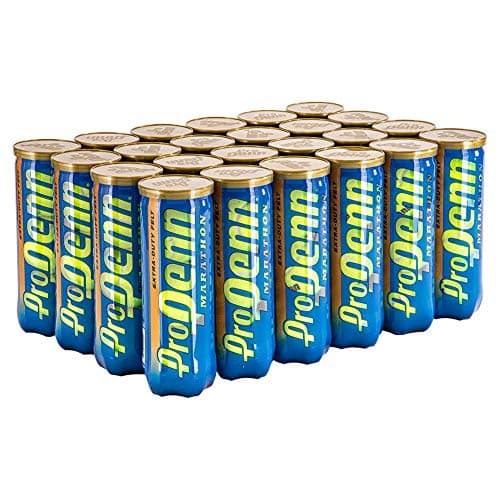
Penn publishes a mechanism and no number. The Pro Penn Marathon line is built around Encore +, described as built to maximize durability by helping the core hold its structure, pressure, and response over time, plus a LongPlay + woven felt designed to last longer and resist wear over time. Penn calls it the most durable premium tennis ball in the market and publishes no figure for how much longer it lasts. We respect that more than a percentage with no study behind it, and it is why the Marathon sits second on this page.

Pressureless balls are a different product, and the trade is published. They have no internal pressure to lose, so they tend to be more durable and long-lasting — but they are also slightly heavier and less lively. That is the whole bargain, stated by the source rather than by us: nothing to go flat, and a ball that never plays quite like a fresh pressurized one.

What to do, in order of how much it helps

1. Buy by the case and open one can at a time. The best pressurized storage container ever made is the can the balls came in, and it is free. Cases cost meaningfully less per ball than single cans, and an unopened can keeps its balls at pressure on a shelf for a long time — not forever, since cans do slowly leak, but far longer than any aftermarket solution keeps an opened ball. If you play weekly, a case in the garage is both the cheapest and the freshest way to buy. Our ball roundups are sized by the case for exactly this reason.

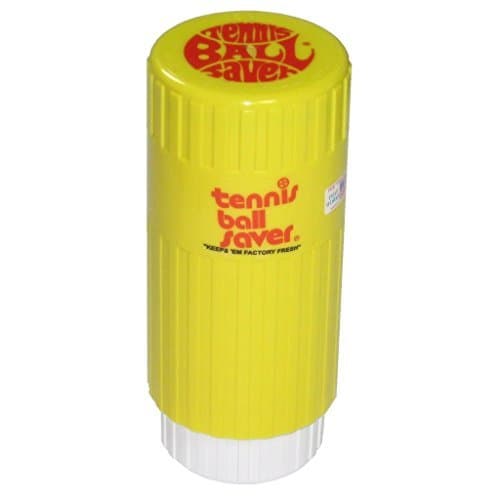
2. Put opened balls in a re-pressurizing tube. A screw-down canister pressurizes the air around the balls, which removes the gradient that is pulling air out of them. This is the one aftermarket device with a sensible physical story, and the one we rank first above. Be clear about the evidence: the longevity claims for these tubes come from the people who sell them, we have not tested the device, and we have found no independent measurement. What we will say is that the reasoning is sound, the thing costs about what a couple of cans of balls cost, and the failure mode is losing a few dollars rather than ruining anything.

3. Keep them out of the car. Heat accelerates everything chemical and a hot trunk in summer is the worst place balls live. Cold is a different problem with a different answer: a ball that has been in a freezing car plays dead because it is cold, and it comes back when it warms up — that one is temperature, not pressure loss, so warm the can indoors before you play rather than throwing the balls away.

4. Keep practice balls and match balls separate. The cheapest discipline on this list. One bag of beaten-up balls for serving practice and feeding, one sealed can for the match you care about. Most players ruin good balls by using them for warm-up baskets, and a hopper is how you keep the two apart — see the hopper ranking.

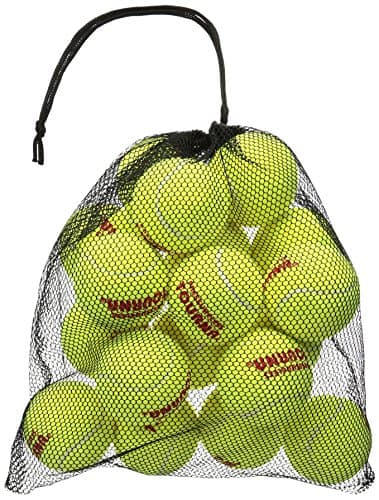
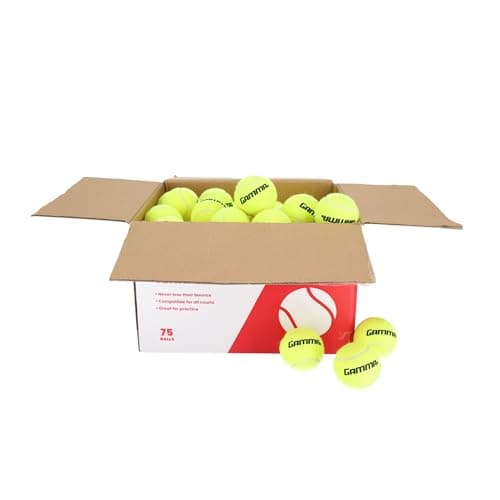
5. For a ball machine or a wall, switch to pressureless. If the balls live in a hopper or a machine, pressurized balls are the wrong product: you are buying pressure you will lose before you use it. Pressureless balls in bulk cost less per ball, never go flat, and are what machine manufacturers expect. We rank them for that job on balls for ball machines and practice, and the mesh bag above is the cheapest honest way to try the type before you commit to a 75-ball box.

What does not work

The freezer. Cooling a ball lowers the internal pressure temporarily, which is the opposite of helping, and it does nothing for felt. When the ball warms up you are exactly where you started, minus the freezer space.

A sealed plastic bag or food container. Sealing air at normal pressure around a ball that is above pressure changes nothing — the gradient is still there. The device has to pressurize, not just enclose.

Microwaving, boiling or baking balls. These make the rounds periodically. They soften the glue and the rubber, they can ruin the felt, and the bounce they appear to restore is a warm ball, not a repressurized one.

Buying more expensive pressurized balls and leaving them out. A premium pressurized ball left open for a month is a dead premium ball. The storage decision does more for your ball budget than the brand decision.

The short answer

Quick picks

#Racquet / gearBest forScorePrice
01
Gexco Gexco Tennis Ball Saver
Gexco Tennis Ball Saver

A re-pressurizing can that stops opened balls going dead in the trunk of your car. It pays for itself in about three cans.

Making balls last
8.2
$20.99Amazon
02
Penn Pro Penn Marathon Extra Duty (case)
Pro Penn Marathon Extra Duty (case)

The ball to buy when the thing you are tired of is balls going dead. Penn publishes an actual durability mechanism for the Marathon line — an Encore core built to hold pressure and a woven LongPlay felt built to resist wear — and sells it by the case, which is the only sensible way to buy a ball you intend to play with for weeks.

Players tired of dead balls
8.6
$117.13Amazon
03
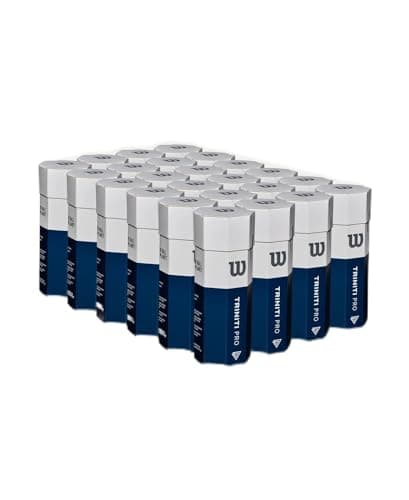
Wilson Wilson Triniti Pro (72 balls)
Wilson Triniti Pro (72 balls)

The one ball in this category whose longevity claim comes with a published mechanism and a dated test window: a plastomer core with thicker walls, which Wilson says keeps its fresh feel four times longer than a traditional Wilson ball. It is also the ball you buy if you dislike throwing away a plastic can every three sets.

The longest fresh-feeling life
8.2
$143.30Amazon
04
Tourna Tourna Pressureless Balls, Mesh Bag of 18
Tourna Pressureless Balls, Mesh Bag of 18

The lowest price per ball on this page by a wide margin, and the honest answer to cheapest tennis balls if what you want is simply something to hit. These are pressureless practice balls in a mesh bag, not match balls — they feel heavier and duller off the strings, and they do not go dead.

The outright cheapest ball
8.6
$19.50Amazon
05
GAMMA GAMMA Pressureless Practice Balls (75)
GAMMA Pressureless Practice Balls (75)

The answer to the durability question if what you actually want is a hopper that never needs refreshing. A pressureless ball has no internal pressure to lose, so it does not go dead — it only wears its felt down, over years rather than weeks.

Ball machines and hoppers
8.6
$79.99Amazon

#ad · Live prices from the Amazon Product API, as of November 22, 2026. Where we have no verified live price, we show none — we would rather leave a gap than print a number that has rotted.

In detail

The picks, in full

01
Gexco Gexco Tennis Ball Saver

Making balls last

Gexco Tennis Ball Saver

Re-pressurizing canisterHolds 3 ballsScrew-down lidReusable
8.2/10

A re-pressurizing can that stops opened balls going dead in the trunk of your car. It pays for itself in about three cans.

Effectiveness
8
Build
7
Ease of use
9
Durability
8
Value
9

Pros

  • Restores and holds internal pressure, so an opened can of balls stays playable for weeks instead of days
  • Pays for itself quickly if you buy balls by the case
  • No batteries, no mechanism — just a threaded lid and a seal

Cons

  • Cannot restore felt. A ball that is bald is finished regardless of pressure
  • Only holds three balls, so a case needs several

Don't buy this if…

…you go through a can per session. The balls never sit long enough to go flat.

$20.99View on Amazon

Price as of November 22, 2026. Prices change — Amazon's is the one that counts.

#ad · we may earn a commission from this link to Gexco Tennis Ball Saver

02
Penn Pro Penn Marathon Extra Duty (case)

Players tired of dead balls

Pro Penn Marathon Extra Duty (case)

Extra duty feltSold by the caseEncore+ coreLongPlay+ woven felt
8.6/10

The ball to buy when the thing you are tired of is balls going dead. Penn publishes an actual durability mechanism for the Marathon line — an Encore core built to hold pressure and a woven LongPlay felt built to resist wear — and sells it by the case, which is the only sensible way to buy a ball you intend to play with for weeks.

Ball life
9
Consistency
9
Feel
8
Visibility
8
Value
9

Pros

  • Penn publishes the actual mechanism rather than just the adjective: Encore+ "helping the core hold its structure, pressure, and response over time" and LongPlay+ as "an engineered woven felt designed to last longer and resist wear over time"
  • Extra duty felt is the right call for hard courts, which is where felt wears out fastest and where most club tennis happens
  • Buying by the case is what actually lowers cost per playing hour; a durable ball bought three at a time is still an expensive ball

Cons

  • Penn publishes no number behind the durability claim on the current listing — "the most durable premium tennis ball in the market" is an adjective, not a test result, and we are not going to treat it as one
  • A case is a real outlay next to a single can, so this is the wrong purchase if you play twice a month
  • Extra duty felt is slightly heavier through the air than regular duty and fluffs up more on clay

Don't buy this if…

…you play on clay or indoor carpet. Extra duty felt is built for abrasive hard courts; on clay it picks up and fluffs, and a regular duty ball will both play and last better.

$117.13View on Amazon

Price as of November 22, 2026. Prices change — Amazon's is the one that counts.

#ad · we may earn a commission from this link to Pro Penn Marathon Extra Duty (case)

03
Wilson Wilson Triniti Pro (72 balls)

The longest fresh-feeling life

Wilson Triniti Pro (72 balls)

72 ballsPlastomer coreRecyclable packagingNo pressurized can
8.2/10

The one ball in this category whose longevity claim comes with a published mechanism and a dated test window: a plastomer core with thicker walls, which Wilson says keeps its fresh feel four times longer than a traditional Wilson ball. It is also the ball you buy if you dislike throwing away a plastic can every three sets.

Ball life
10
Consistency
9
Feel
7
Visibility
8
Value
7

Pros

  • Wilson's claim is specific and dated, which is rare here: Triniti "maintains its 'liveliness' - or fresh ball feel - four times longer than a traditional Wilson tennis ball", footnoted to Wilson LAB tests from August to December 2018
  • The mechanism is published too — a plastomer core rather than a pressurized rubber one, so there is no internal pressure to leak away in the first place
  • Ships without "a pressurized plastic PET container"; the packaging is "made from recycled materials and is fully recyclable"

Cons

  • It plays differently out of the wrapper — slightly heavier and duller than a freshly cracked pressurized ball, which some players never get used to
  • Four times longer is Wilson's own lab figure against Wilson's own baseline. There is no independent test and no published methodology, and we are not going to pretend otherwise
  • Costs more per ball than a case of championship-grade pressurized balls

Don't buy this if…

…the crack-and-pop of a fresh can is part of why you play. This is a ball optimized for the twentieth hour, not the first.

$143.30View on Amazon

Price as of November 22, 2026. Prices change — Amazon's is the one that counts.

#ad · we may earn a commission from this link to Wilson Triniti Pro (72 balls)

04
Tourna Tourna Pressureless Balls, Mesh Bag of 18

The outright cheapest ball

Tourna Pressureless Balls, Mesh Bag of 18

18 ballsPressurelessMesh carry bagPractice ball
8.6/10

The lowest price per ball on this page by a wide margin, and the honest answer to cheapest tennis balls if what you want is simply something to hit. These are pressureless practice balls in a mesh bag, not match balls — they feel heavier and duller off the strings, and they do not go dead.

Cost per ball
10
Consistency
7
Ball life
9
Visibility
7
Value
10

Pros

  • Nothing else here comes close on cost per ball
  • Pressureless construction means there is no pressure to leak, so these do not go flat between sessions
  • A mesh bag is a better container than a bucket for throwing in a car

Cons

  • Pressureless balls play dead and heavy next to a fresh pressurized ball — this is a drilling ball, not a match ball
  • Heavier balls are harder on an elbow over a long session

Don't buy this if…

…you are buying balls for matches or social sets. Buy a Penn Championship case and keep these for the wall.

$19.50View on Amazon

Price as of November 22, 2026. Prices change — Amazon's is the one that counts.

#ad · we may earn a commission from this link to Tourna Pressureless Balls, Mesh Bag of 18

05
GAMMA GAMMA Pressureless Practice Balls (75)

Ball machines and hoppers

GAMMA Pressureless Practice Balls (75)

75 ballsPressurelessHigh-visibility feltMachine compatible
8.6/10

The answer to the durability question if what you actually want is a hopper that never needs refreshing. A pressureless ball has no internal pressure to lose, so it does not go dead — it only wears its felt down, over years rather than weeks.

Ball life
10
Consistency
9
Feel
5
Visibility
9
Value
10

Pros

  • Pressureless construction removes the failure mode entirely: there is no pressure inside to escape, so these do not go flat sitting in a hopper between sessions
  • The listing states machine compatibility, which matters — a ball machine is unforgiving of soft or inconsistent balls and these feed consistently
  • 75 balls fills a 75-ball hopper exactly once, which is a neater piece of arithmetic than it sounds when you are loading a basket

Cons

  • A pressureless ball feels heavier and harder off the strings than a pressurized one, and plays dead by comparison. These are practice balls, not match balls
  • Heavier balls are harder on an elbow over a long feeding session
  • The felt still wears, and worn felt on a pressureless ball flies strangely

Don't buy this if…

…you want these for matches or social sets. Pressureless balls are for drilling, feeding and machine work; play your matches with a pressurized ball.

$79.99View on Amazon

Price as of November 22, 2026. Prices change — Amazon's is the one that counts.

#ad · we may earn a commission from this link to GAMMA Pressureless Practice Balls (75)

Which product solves which problem

Your problemThe answerThe trade
Opened balls die between weekly sessionsRe-pressurizing tubeClaims are the seller's; untested by us
Balls go dead before the felt wears outA ball built to hold pressure (Pro Penn Marathon)Sold by the case; no published figure for “longer”
You want the longest fresh feel availableWilson Triniti ProPlays differently from a traditional ball; manufacturer-tested claim
Balls for a wall, a hopper or a machinePressureless, in bulkHeavier and less lively, by published description
You want to try pressureless cheaplyAn 18-ball mesh bagNot enough to fill a machine
Balls fly long after two setsNot a storage problem — buy more durable felt instead

How long should a can last you?

We will not give you a number of hours, because nobody credible publishes one and your court surface, your swing speed and your standards all move it. What we can give you is the test: bounce the ball you are about to play with next to a fresh one from a sealed can. If the old one comes off the ground visibly lower, it has lost pressure. If it comes up fine but the felt is matted smooth or fluffed into a halo, the pressure is okay and the cover is done. Two seconds, no equipment, and it is the only measurement available to you at home.

Club players are usually far too precious about this and competitive players not precious enough. For social doubles, a can that bounces close to fresh is fine. For a league match where a shanked return decides a set, open a new can and keep the old ones for practice.

Storing them for the off-season

If your tennis stops in winter, store unopened cans indoors at room temperature and leave them alone. Cans leak slowly, so balls bought in bulk and left for a couple of years will be noticeably flatter than the date on the case implies — buy a case you will plausibly get through in a season rather than the biggest one available.

Pressureless balls are the exception and this is their quiet advantage: a bag of them in the garage in October is exactly the same bag in April. Nothing to lose because there was no pressure in the first place.

A note on what this costs

Balls are the one piece of tennis equipment you keep buying forever, which is why storage is worth five minutes of thought and a cheap canister. The order of spending that actually reduces your ball bill: buy by the case, keep opened balls under pressure, use pressureless for the work your hopper does, and only then start comparing premium pressurized brands. Our whole-budget picture is on what tennis gear costs, and if you are practicing alone a lot, the solo practice guide covers how to get the most out of a hopper of old balls.

What we did not do

We have not measured pressure loss, bounce-tested a ball against a fresh one in a rig, or tested a re-pressurizing canister over months, and nothing above is presented as a test we ran. Mechanism and ball-type claims are quoted from the published sources cited below, read on the day this page was written; where the only available figure is a seller's, the page says whose figure it is. The scoring behind the picks, and its limits, are on methodology.
How we picked

We have not physically tested this gear

Everyone in this category says they tested twenty racquets. We have not tested any — and we say so. What we did instead: compiled the manufacturer-published specifications (head size, strung weight, string pattern, stiffness, outsole compound), normalized them, and scored each product against a published rubric weighted for the NTRP tier this page serves. The scores are judgments from documented research, not measurements we took, because we do not have a lab and are not going to pretend we do.

Questions

Frequently asked

How do you keep tennis balls fresh?
Buy by the case and open one can at a time, because an unopened can is already the best pressurized storage there is. Keep opened balls in a re-pressurizing canister between sessions, store them indoors rather than in a car, and keep practice balls separate from match balls. For a hopper or a ball machine, switch to pressureless balls, which have no internal pressure to lose.
Why do tennis balls go flat?
Because the rubber core is pressurized above the air around it and rubber is not a perfect barrier, so air gradually escapes once the can is opened. Published guidance describes that internal pressure as, in part, what gives a tennis ball its consistent bounce — lose it and the ball bounces lower and feels heavy. Felt wear is a separate kind of dead, caused by hitting rather than by time.
How long do tennis balls last after opening the can?
There is no trustworthy published figure. Every percentage in circulation traces back to a company selling a pressure-keeping product, usually citing unnamed research, and ball manufacturers do not publish pressure-decay data. The practical test is to bounce a used ball next to a fresh one from a sealed can: visibly lower means pressure, matted or fluffed felt means the cover is finished.
Do tennis ball savers actually work?
The physics is sound — a screw-down canister pressurizes the air around the balls, which removes the gradient pulling air out of them. The longevity claims, though, come from the companies selling the canisters, we have not tested one, and we could find no independent measurement. It costs about what a couple of cans of balls cost, so the downside is small.
Should I put tennis balls in the fridge or freezer?
No. Cooling a ball temporarily lowers its internal pressure, which is the opposite of what you want, and it does nothing about felt wear. A ball that plays dead after a night in a freezing car is just cold — let it warm up indoors and it comes back.
Are pressureless tennis balls the answer?
For practice, a wall or a ball machine, yes. They have no pressure to lose, they are cheaper per ball in bulk, and a bag stored over winter is the same bag in spring. The published trade-off is that they are slightly heavier and less lively than pressurized balls, so most players keep a can of pressurized balls for matches and use pressureless for everything else.
Do unopened cans of tennis balls expire?
Effectively, yes. Cans leak slowly, so a case bought years ago will play flatter than a fresh one even though no can has been opened. Buy a case you will get through in a season rather than the largest one you can find, and store it indoors at room temperature.

Keep reading

Receipts

Sources

We do not run a testing lab, and we do not pretend to. Our specs come from manufacturer listings and spec sheets; our rules and dimensions come from the official rulebook. Where we could not verify something, we say so on the page rather than quietly leaving it out. Read our full method.