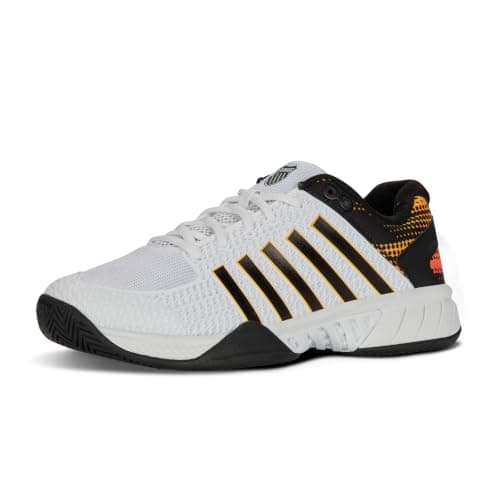
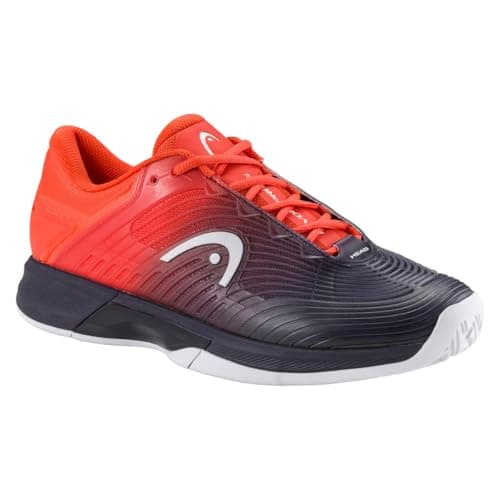
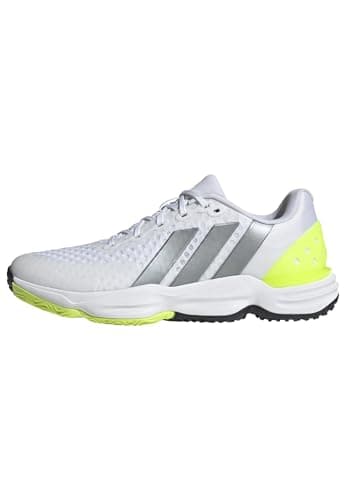
For flat feet, the adidas Court Pickleball 2 is our top pick — a stable, supportive platform built on adidas's tennis-court heritage that resists the inward roll flat-footed players are prone to. The K-Swiss Express Light and HEAD Revolt Pro 4.5 are excellent stability-first alternatives.
Why flat feet need a different shoe
If you have flat feet (low or fallen arches), your foot tends to roll inward as it lands — overpronation. On a court full of hard lateral cuts, that inward roll stresses the ankle, knee and arch and can leave you feeling unstable on quick direction changes. The answer is not more squish; it is structure. A stable, supportive shoe with a firm platform keeps your foot aligned and controls that roll, where an overly soft, cushioned shoe lets the foot collapse further inward.
What to look for
Prioritize a firm, stable midsole that resists twisting, a structured heel counter that locks the rearfoot in place, and a low-to-the-ground platform that keeps your center of gravity stable through cuts. Genuine lateral support and a snug, supportive upper matter more for you than plush cushioning. Many flat-footed players also add a firm, arch-supporting insole, which turns a stable shoe into an even more supportive one. The picks here all lean stability-first rather than soft.
Stability versus cushioning
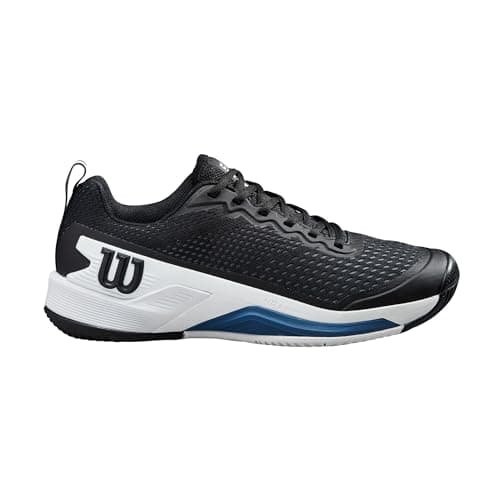
There is a genuine tension between the shoes that suit flat feet and those that suit plantar fasciitis, which want more cushioning. If you have flat feet andheel pain, look for a shoe that is supportive and structured but not brutally firm — and lean on a quality arch-support insole to bridge the gap. The K-Swiss and Wilson Rush picks here are supportive without being the harshest options, making them reasonable middle-ground choices.
Support your feet, then support your game
A stable shoe is the foundation, but pair it with the rest of a healthy routine: a proper warm-up, an arch-support insole if you need one, and replacing shoes before the support breaks down. This page is buying advice, not medical advice — if flat feet cause you pain, a podiatrist can advise on custom orthotics, which combined with a stable court shoe are often the most effective solution.
How to choose a court shoe for flat feet
Look for stability, not softness
The instinct to buy the most cushioned shoe is the wrong one for flat feet. A firm, stable platform controls overpronation; a very soft shoe lets the arch collapse further. Favor structure and support over plushness.
Check the heel counter
Squeeze the back of the shoe: a firm heel counter that does not crush easily helps lock your rearfoot in place and control the inward roll. A soft, collapsible heel offers little of the motion control flat feet need.
Consider an aftermarket insole
Most court shoes ship with a thin, flat insole. Swapping in a firm arch-support insole (or a custom orthotic) is one of the most effective upgrades a flat-footed player can make, and it works best on top of an already stable shoe rather than a soft one.
Keep it a real court shoe
Whatever you pick, it must have a proper non-marking court outsole and lateral support — this is still pickleball. See court shoes vs running shoes for why running shoes, which flex and cushion for forward motion, are the wrong tool for lateral court movement.
How we picked
We have not physically tested this gear
Everyone in this category says they tested twenty paddles. We have not tested any — and we say so. What we did instead: compiled the manufacturer-published specifications (face material, core thickness, grip size, USAPA approval), normalized them, and scored each product against a published rubric weighted for the skill tier this page serves. The scores are judgments from documented research, not measurements we took, because we do not have a lab and are not going to pretend we do.