Skip to content
Four Oh Club

Court footwear · Shoes

The Best Pickleball Shoes for Ankle Support

A rolled ankle is the injury that ends pickleball seasons. These are the court shoes built lowest to the ground with the most side-to-side reinforcement — ranked, with live prices.

By Stephen V.Updated How we score
#ad

We earn a commission when you buy through our Amazon links, at no extra cost to you. It never changes our rankings, and we say so when the cheaper paddle is the better buy. How this works.

For ankle support the HEAD Revolt Pro is our top pick — a low, stable court shoe built for players who move hard laterally. The adidas court shoe is the most stable platform of the group, and the K-Swiss Express Light is the best-balanced pick if you want support without a stiff, aggressive ride.

How pickleball rolls ankles

The mechanism is nearly always the same. You push off hard to one side, your foot plants at an angle, and your body weight keeps travelling while the foot stops. If the shoe lets your foot slide across the footbed, or if the sole is tall enough to act as a lever, the ankle rolls outward under you.

Two design choices fight that. The first is height: the closer your foot sits to the ground, the shorter the lever arm and the less torque reaches the ankle. This is why a low, firm court shoe is safer than a plush, stacked running shoe, even though the running shoe feels more comfortable standing in the shop. The second is containment: the upper and the reinforced side panels have to hold your foot over the footbed so it does not slide off the edge. A shoe that lets your foot move inside it has already lost.

Cushioning is not on that list, and that surprises people. A softer, taller midsole makes a shoe feel protective while making it less stable. If your priority is the ankle, you are shopping for firm and low, not soft and tall. If your priority is heel or arch pain instead, that is a genuinely different shoe — see our plantar fasciitis picks.

What we ranked on

We weighted lateral support heaviest — reinforced sidewalls, a supportive upper and a wide, flat outsole footprint that does not tip. Then ride height and stability, favouring low, firm platforms over plush ones. Then outsole grip, because a sole that slips at the wrong moment causes the exact event we are trying to prevent, and grip is the first thing to disappear as a shoe wears. Then fit security: laces and upper structure that stop the foot sliding.

The honest part: a shoe is not a brace

We are not going to tell you these shoes prevent ankle injuries, because no shoe does. A good court shoe reduces one contributing factor — the instability the shoe itself introduces. It does nothing about the ankle's own strength, your balance, a bad step on a ball someone left on court, or the fact that you are moving explosively on a hard surface.

If you have already rolled an ankle badly, or you roll them repeatedly, the shoe is the smallest part of your answer. Ankle strengthening and balance work do more, and an actual brace does more than either — a brace and a good court shoe together is the combination people with recurring instability generally end up at. That is a conversation with a physio, not with a review site. Our pickleball injuries guide covers the wider picture, and the warm-up guide covers the part most players skip entirely.

The thing most people get wrong

Worn-out shoes cause more ankle problems than the wrong model does. As the outsole tread goes smooth, the shoe stops gripping on a lateral cut, and a foot that slides sideways under load is precisely the scenario above. Players who would never play with a cracked paddle will happily play a whole season on bald soles.

Check your outsole rather than your calendar. If the tread pattern under the ball of your foot and the outside edge has gone smooth, the shoe is finished regardless of how new it looks elsewhere. Our guide to how long pickleball shoes last covers what to look for, and outdoor players should expect to reach that point considerably sooner than indoor players do.

The short answer

Quick picks

#Paddle / gearBest forScorePrice
01
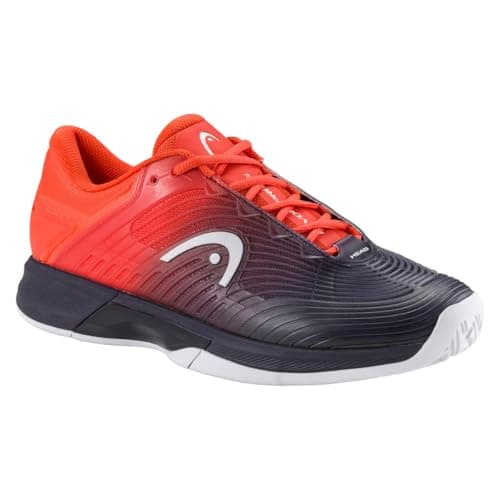
HEAD HEAD Revolt Pro 4.5 Court Shoe
HEAD Revolt Pro 4.5 Court Shoe

HEAD's stability-focused court shoe, built low and supportive for hard lateral cuts — a durable crossover pick for aggressive movers.

Aggressive lateral movers
7.8
$79.95Amazon
02
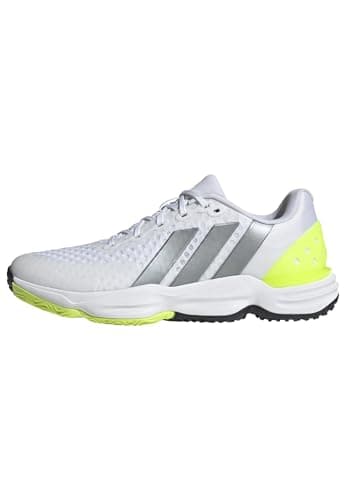
adidas adidas Court Pickleball 2
adidas Court Pickleball 2

adidas brings its tennis-court engineering to a dedicated pickleball model — a stable, grippy shoe for players who want a familiar athletic brand.

Stability and brand feel
7.8
$98.08Amazon
03
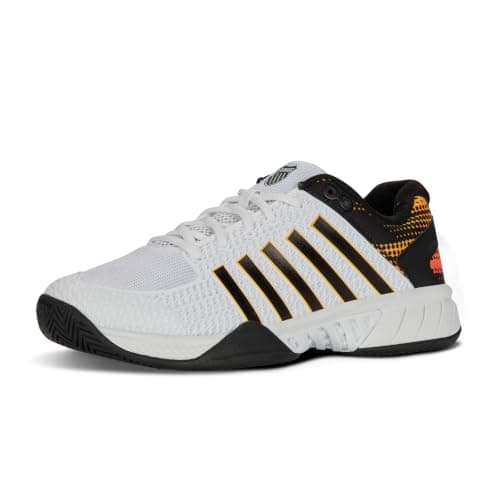
K-Swiss K-Swiss Express Light Pickleball Shoe
K-Swiss Express Light Pickleball Shoe

A purpose-built, lightweight pickleball court shoe from a brand that has made court shoes for half a century — the safe default.

Best all-around court shoe
8.0
$89.94Amazon
04
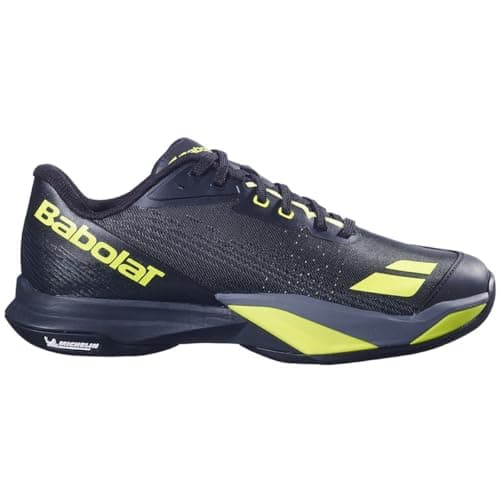
Babolat Babolat Jet Mach 4 All-Court Shoe
Babolat Jet Mach 4 All-Court Shoe

A tennis all-court shoe that crosses over to pickleball perfectly — lightweight, aggressive, and built for exactly the lateral movement pickleball demands.

Tennis crossover players
8.0
$119.00Amazon

#ad · Live prices from the Amazon Product API, as of Aug 19, 2026. Where we have no verified live price, we show none — we would rather leave a gap than print a number that has rotted.

In detail

The picks, in full

01
HEAD HEAD Revolt Pro 4.5 Court Shoe

Aggressive lateral movers

HEAD Revolt Pro 4.5 Court Shoe

Court outsoleLow, stable rideSupportive upperDurable
7.8/10

HEAD's stability-focused court shoe, built low and supportive for hard lateral cuts — a durable crossover pick for aggressive movers.

Lateral support
9
Grip
8
Cushioning
6
Durability
8
Value
8

Pros

  • Low-to-the-ground, stable platform inspires confidence on hard cuts
  • HEAD's court-shoe durability holds up to frequent play
  • Supportive upper locks the foot down

Cons

  • The low, firm ride is less forgiving for casual all-day comfort
  • A tennis model rather than pickleball-specific

Don't buy this if…

you want a soft, cushioned feel for long social sessions — this is tuned for stability, not plushness.

$79.95View on Amazon

$129.0038% off

Price as of Aug 19, 2026. Prices change — Amazon's is the one that counts.

#ad · we may earn a commission from this link to HEAD Revolt Pro 4.5 Court Shoe

02
adidas adidas Court Pickleball 2

Stability and brand feel

adidas Court Pickleball 2

Court outsoleStable platformLateral supportPickleball-specific
7.8/10

adidas brings its tennis-court engineering to a dedicated pickleball model — a stable, grippy shoe for players who want a familiar athletic brand.

Lateral support
9
Grip
8
Cushioning
7
Durability
8
Value
7

Pros

  • Draws directly on adidas's long tennis-court shoe history
  • Stable, supportive platform for hard lateral cuts
  • Familiar sizing if you already wear adidas

Cons

  • Firmer ride than a comfort-first shoe
  • Premium pricing

Don't buy this if…

you prioritize plush cushioning over a locked-down, stable feel — this leans firm and supportive.

$98.08View on Amazon

$120.0018% off

Price as of Aug 19, 2026. Prices change — Amazon's is the one that counts.

#ad · we may earn a commission from this link to adidas Court Pickleball 2

03
K-Swiss K-Swiss Express Light Pickleball Shoe

Best all-around court shoe

K-Swiss Express Light Pickleball Shoe

Court outsoleLightweightDurable toeLateral support
8.0/10

A purpose-built, lightweight pickleball court shoe from a brand that has made court shoes for half a century — the safe default.

Lateral support
9
Grip
8
Cushioning
7
Durability
8
Value
8

Pros

  • Designed as a pickleball court shoe, not a running shoe pressed into service
  • Reinforced toe survives the toe-drag that shreds running shoes on court
  • Light enough for quick lateral steps without feeling flimsy

Cons

  • Court shoes are firmer underfoot than a cushioned running shoe — that is the point, but it is an adjustment
  • Styling is functional, not fashion

Don't buy this if…

you want a plush, max-cushion feel for all-day wear — a court shoe is deliberately firmer and lower.

$89.94View on Amazon

$110.0018% off

Price as of Aug 19, 2026. Prices change — Amazon's is the one that counts.

#ad · we may earn a commission from this link to K-Swiss Express Light Pickleball Shoe

04
Babolat Babolat Jet Mach 4 All-Court Shoe

Tennis crossover players

Babolat Jet Mach 4 All-Court Shoe

All-court outsoleLightweightTennis-grade supportSnug fit
8.0/10

A tennis all-court shoe that crosses over to pickleball perfectly — lightweight, aggressive, and built for exactly the lateral movement pickleball demands.

Lateral support
9
Grip
9
Cushioning
7
Durability
8
Value
7

Pros

  • Tennis all-court shoes are engineered for the same lateral loads pickleball creates
  • Light and responsive for quick direction changes
  • Babolat's racket-sport pedigree means a shoe that lasts

Cons

  • It is a tennis shoe — perfect on court, unnecessary off it
  • The performance fit runs snug and low-volume

Don't buy this if…

you have a wide foot — Babolat's performance last runs narrow, and this is not the forgiving option.

$119.00View on Amazon

$159.0025% off

Price as of Aug 19, 2026. Prices change — Amazon's is the one that counts.

#ad · we may earn a commission from this link to Babolat Jet Mach 4 All-Court Shoe

High-tops are not the answer

The instinct is to look for a basketball-style high-top, and it is largely a false lead in this sport. Court shoes are built low deliberately: pickleball movement is fast and repetitive, and a collar high enough to genuinely restrict the ankle also restricts the movement you need to play. The support in a good court shoe comes from the sidewalls and the outsole footprint, not from fabric around the ankle bone.

If you wear a brace

Buy the shoe with the brace on, and expect to size differently. A lace-up brace takes up real volume, and a shoe that fits your bare foot perfectly will be tight over one. Roomier models — the ones we list for wide feet — are often the practical choice for brace wearers even when the foot itself is not wide.

Surface matters

Outdoor asphalt is less forgiving than an indoor court in every way that concerns an ankle: less give, more grit, and more chance of an uneven patch or a stray ball. If you play mostly outdoors, prioritise outsole grip and durability over everything else, and replace the shoes earlier than the calendar suggests.

Lacing is free support

Most players never use the top eyelet. A heel-lock lacing pattern through that last hole takes ten seconds, costs nothing, and meaningfully reduces heel lift — which is the movement that lets your foot shift inside the shoe in the first place. It is the cheapest stability upgrade available.
How we picked

We have not physically tested this gear

Everyone in this category says they tested twenty paddles. We have not tested any — and we say so. What we did instead: compiled the manufacturer-published specifications (face material, core thickness, grip size, USAPA approval), normalized them, and scored each product against a published rubric weighted for the skill tier this page serves. The scores are judgments from documented research, not measurements we took, because we do not have a lab and are not going to pretend we do.

Questions

Frequently asked

What pickleball shoes are best for ankle support?
Low, firm court shoes with reinforced sidewalls and a wide outsole footprint. Our pick is the HEAD Revolt Pro. Avoid tall, cushioned running shoes.
Do high-top shoes prevent rolled ankles in pickleball?
Not really. Court shoes are deliberately low, because support comes from sidewalls and a wide outsole rather than from a high collar — and a restrictive collar limits the movement the sport requires.
Can pickleball shoes prevent an ankle injury?
No shoe prevents injury. A good court shoe removes one contributing factor — instability from the shoe itself. Strength, balance work and, for recurring problems, a brace do more.
Does more cushioning mean more ankle support?
The opposite. A taller, softer midsole raises your foot further from the ground and gives the ankle more leverage to roll. Firm and low is more stable.
How often should I replace shoes if I worry about my ankles?
When the tread goes smooth, not when the shoe looks old. A bald outsole slipping on a lateral cut is a leading cause of rolled ankles.

Keep reading

Receipts

Sources

We do not run a testing lab, and we do not pretend to. Our specs come from manufacturer listings and spec sheets; our rules and dimensions come from the official rulebook. Where we could not verify something, we say so on the page rather than quietly leaving it out. Read our full method.