Skip to content
Four Oh Club

Bags, machines & training · Gear

The Best Tennis Balls

Buy extra duty felt for hard courts, buy by the case, and keep an opened can under pressure. Those three decisions are most of what there is to know.

By Stephen V.Updated How we score
#ad

We earn a commission when you buy through our Amazon links, at no extra cost to you. It never changes our rankings, and we say so when the cheaper racquet is the better buy. How this works.

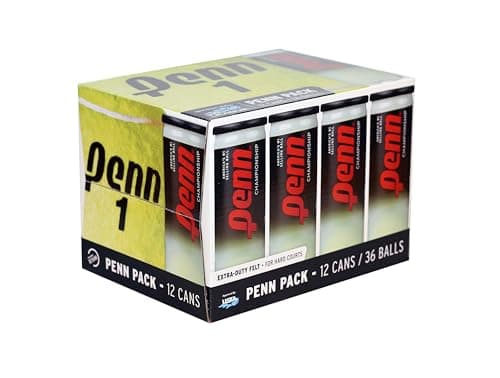
Buy Penn Championship Extra Duty by the 12-can case. It is the most-played ball in American club tennis, the felt is woven for abrasive hard courts, and case pricing is substantially cheaper per can than singles. If you want the actual US Open match ball, the Wilson US Open case. Either way, add a re-pressurising canister.

Extra duty versus regular duty

The one specification that genuinely matters, and the one most casual buyers have never noticed on the can.

Extra duty felt is woven thicker and looser, specifically for abrasive hard courts. A regular duty ball on a hard court fluffs up and goes dead within a set, because the court is sanding the nap off it.

Regular duty felt is thinner and tighter, for clay and indoor carpet. On those surfaces an extra duty ball picks up and holds the surface material, becoming heavy and slow.

If you play on American hard courts, which is most club tennis, you want extra duty. If you play on Har-Tru or indoors, regular duty. Using the wrong one wastes the balls and plays badly.

Pressurised balls die in the can

Tennis balls are sold in pressurised cans because the ball itself is pressurised, and the can maintains that. From the moment you break the seal, the ball starts leaking pressure through its own rubber, and it goes flat whether you play with it or not.

An opened can left in a bag for three weeks contains three dead balls. This is why re-pressurising canisters exist and why they are a genuinely sensible purchase for anyone who buys by the case: they hold the balls under pressure and keep them playable for weeks rather than days.

What they cannot do is restore felt. A bald ball is finished regardless of its internal pressure.

Pressureless balls, and when they make sense

A separate product category. Pressureless balls have a solid, thicker rubber core and no internal pressure to lose, so they never go flat — they just slowly wear out the felt.

They feel heavier and duller than a pressurised ball and are no fun to play points with. They are, however, the right choice for a ball machine or for teaching, where consistency over months matters more than feel. Many coaches keep a hopper of pressureless balls for exactly this.

Why brand matters less than you think

The meaningful difference between quality ball brands is consistency from can to can, not headline performance. A ball that bounces the same every time is what lets you calibrate; a bargain-bin ball that varies is the problem.

Penn and Wilson both deliver that consistency. Beyond that, the premium you pay for the US Open ball over the Penn Championship is buying you the specific ball the tournament uses, which is a real thing and not a performance upgrade most club players will detect.

The short answer

Quick picks

#Racquet / gearBest forScorePrice
01
Penn Penn Championship Extra Duty (12 cans)
Penn Championship Extra Duty (12 cans)

The most-played ball in America, bought the way you should buy balls — by the case. Extra duty felt for hard courts.

Hard-court club play
8.2
$34.97Amazon
02
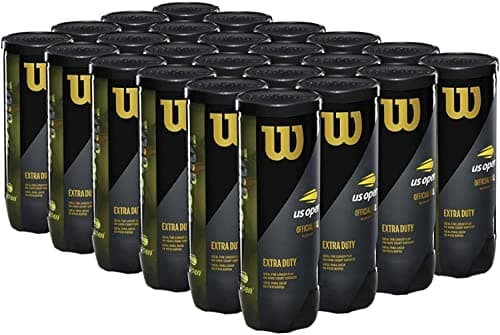
Wilson Wilson US Open Extra Duty (24-can case)
Wilson US Open Extra Duty (24-can case)

The official ball of the US Open, bought by the case. If you want the ball the pros are hitting, this is literally it.

Clubs and leagues
8.4
$129.99Amazon
03
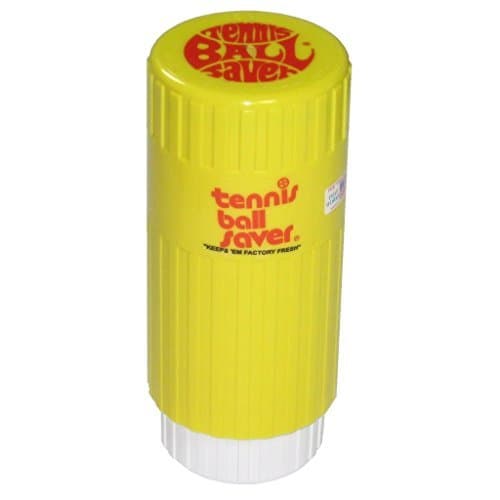
Gexco Gexco Tennis Ball Saver
Gexco Tennis Ball Saver

A re-pressurising can that stops opened balls going dead in the boot of your car. It pays for itself in about three cans.

Making balls last
8.2
$20.99Amazon

#ad · Live prices from the Amazon Product API, as of October 7, 2026. Where we have no verified live price, we show none — we would rather leave a gap than print a number that has rotted.

In detail

The picks, in full

01
Penn Penn Championship Extra Duty (12 cans)

Hard-court club play

Penn Championship Extra Duty (12 cans)

Extra duty felt12 cans / 36 ballsPressurisedUSTA approved
8.2/10

The most-played ball in America, bought the way you should buy balls — by the case. Extra duty felt for hard courts.

Durability
8
Consistency
8
Feel
7
Visibility
8
Value
10

Pros

  • Extra duty felt is woven thicker specifically for abrasive hard courts — a regular duty ball fluffs up and dies in a set
  • Buying by the case is substantially cheaper per can than singles
  • The default club ball in the US, so it is the ball you will play matches with anyway

Cons

  • Pressurised balls go dead whether you use them or not once the can is open
  • Extra duty felt is the wrong choice on clay, where it picks up and holds the surface

Don't buy this if…

…you play on clay or indoor carpet. Buy regular duty felt instead.

$34.97View on Amazon

Price as of October 7, 2026. Prices change — Amazon's is the one that counts.

#ad · we may earn a commission from this link to Penn Championship Extra Duty (12 cans)

02
Wilson Wilson US Open Extra Duty (24-can case)

Clubs and leagues

Wilson US Open Extra Duty (24-can case)

Extra duty felt24 cans / 72 ballsOfficial US Open ballPressurised
8.4/10

The official ball of the US Open, bought by the case. If you want the ball the pros are hitting, this is literally it.

Durability
9
Consistency
9
Feel
8
Visibility
8
Value
8

Pros

  • The actual US Open match ball specification, not a licensed lookalike
  • Case pricing at the lowest per-can cost here
  • Consistent bounce and weight from can to can, which matters more than any other ball property

Cons

  • A 24-can case is a lot of balls to store, and they age in the cupboard
  • Costs more per can than Penn Championship for a difference most club players will not detect

Don't buy this if…

…you play once a week alone. Twelve cans of Penn will outlast your interest.

$129.99View on Amazon

Price as of October 7, 2026. Prices change — Amazon's is the one that counts.

#ad · we may earn a commission from this link to Wilson US Open Extra Duty (24-can case)

03
Gexco Gexco Tennis Ball Saver

Making balls last

Gexco Tennis Ball Saver

Re-pressurising canisterHolds 3 ballsScrew-down lidReusable
8.2/10

A re-pressurising can that stops opened balls going dead in the boot of your car. It pays for itself in about three cans.

Effectiveness
8
Build
7
Ease of use
9
Durability
8
Value
9

Pros

  • Restores and holds internal pressure, so an opened can of balls stays playable for weeks instead of days
  • Pays for itself quickly if you buy balls by the case
  • No batteries, no mechanism — just a threaded lid and a seal

Cons

  • Cannot restore felt. A ball that is bald is finished regardless of pressure
  • Only holds three balls, so a case needs several

Don't buy this if…

…you go through a can per session. The balls never sit long enough to go flat.

$20.99View on Amazon

Price as of October 7, 2026. Prices change — Amazon's is the one that counts.

#ad · we may earn a commission from this link to Gexco Tennis Ball Saver

What to buy, by use

UseBuyFelt
Hard-court club playPenn Championship, 12-can caseExtra duty
League and club matchesWilson US Open, 24-can caseExtra duty
Clay or indoor carpetAny quality brand, regular dutyRegular duty
Ball machine and drillingGraduated used balls, or pressurelessEither

The graduation system

The way every sensible club player manages balls, and it costs nothing to adopt.

New cans are for matches, where bounce consistency matters. After a match they become practice balls for rallying. After that they go into the hopper for drilling and machine work, where a slightly dead ball is irrelevant. Then they are dog toys.

Buying a case means the top of that pipeline is always fed, which is the actual reason case buying is better value rather than just cheaper per can.

How long does a can last?

For competitive singles on a hard court, a can of three is genuinely finished after one to three matches — the felt is worn and the pressure is down. For social doubles you will get considerably more.

The honest signal is bounce: drop a ball from shoulder height alongside a new one. If it bounces noticeably lower, it has lost pressure and it is a practice ball now.

Storage

Three things shorten a ball's life off court. Heat accelerates pressure loss, so a bag in a car boot in summer is the worst place for them. Damp ruins felt and makes balls heavy. An open can loses pressure continuously, which the re-pressuriser solves.

A bag with a thermal-lined compartment helps balls as well as strings, which is a small bonus people do not usually consider.

Does the ball change how you should string?

Marginally, and worth knowing. A heavier, fluffier ball — an extra duty ball late in its life, or any ball on a damp day — produces more impact shock and sits on the strings longer. If you play a lot with worn balls and your arm is sensitive, that is one more argument for a softer string setup; see strings for tennis elbow.
How we picked

We have not physically tested this gear

Everyone in this category says they tested twenty racquets. We have not tested any — and we say so. What we did instead: compiled the manufacturer-published specifications (head size, strung weight, string pattern, stiffness, outsole compound), normalized them, and scored each product against a published rubric weighted for the NTRP tier this page serves. The scores are judgments from documented research, not measurements we took, because we do not have a lab and are not going to pretend we do.

Questions

Frequently asked

What are the best tennis balls?
Penn Championship Extra Duty bought by the 12-can case for hard-court club play — the most-played ball in American tennis, with the thicker felt that abrasive hard courts require. Wilson US Open if you want the actual tournament ball.
What is the difference between extra duty and regular duty tennis balls?
The felt. Extra duty is woven thicker and looser for abrasive hard courts; regular duty is thinner and tighter for clay and indoor carpet. Using the wrong one either shreds the ball or makes it pick up the surface and go heavy.
Do unopened tennis balls go bad?
Very slowly — a sealed can holds pressure for years. It is once the can is opened that the balls start leaking pressure continuously and go flat whether you play with them or not, which is what a re-pressurising canister addresses.
Should I use pressureless balls?
For a ball machine or teaching, yes — they never go flat, so a hopper stays consistent for months. For playing points, no: they feel heavier and duller than a pressurised ball.

Keep reading

Receipts

Sources

We do not run a testing lab, and we do not pretend to. Our specs come from manufacturer listings and spec sheets; our rules and dimensions come from the official rulebook. Where we could not verify something, we say so on the page rather than quietly leaving it out. Read our full method.