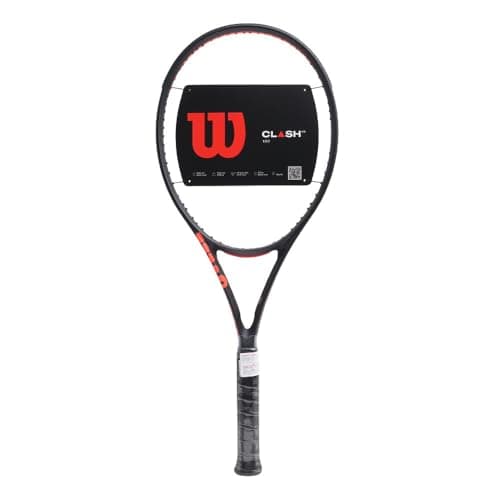
Replace the frame when it is cracked, when the grommets or bumper are worn through to the graphite, or when a fresh string job and a side-by-side demo tell you the frame has gone soft. Do not replace it because it is three years old. The USTA's own guidance is that “a new racquet should last at least two years before you have to start worrying about performance-affecting fatigue”— and that two-year figure is written for club players hitting twice a week or more, not for the once-a-month player, who it says shouldn't be overly concerned at all.
The reason this question gets answered badly everywhere is that the honest answer is unsatisfying. A specialist stringer asked exactly this says it plainly: there really is no prescribed time limit — it just depends. Frames do wear out, because over time different stresses add up and eventually break down the fibers and resin that make up your racquet, but the change is very, very gradual and usually takes place slowly over the course of many years. There is no odometer on a tennis racket.
So this page does two things. It gives you the four conditions that genuinely end a frame, in the order you can check them yourself. And it gives you the two things to try first, because both cost a fraction of a new racquet and one of them fixes the complaint most people arrive here with.
What actually wears out, and what does not
The strings wear out constantly, and that is almost always the real problem. A string bed loses tension from the day it is strung — published measurements put the drop at roughly ten percent in the first 24 hours, and treat a 10 to 15 lb or 30% total loss as the point where a job is finished. A frame strung eighteen months ago is playing on a dead bed, and a dead bed feels exactly like the thing people describe as “my racquet feels dead”. The schedule is on how often to restring.
The grip wears out fast and changes everything. A slick handle makes you grip harder, which transmits more shock and costs you feel. An overgrip costs almost nothing — see the overgrip ranking— and a replacement grip restores the handle properly: overgrip vs replacement grip explains which one you need.
Grommets and the bumper guard are consumable parts, not the frame. The plastic strip around the head takes the scrapes, and the grommet tubes protect the strings where they pass through the frame. When the bumper is worn thin at the tip, or a grommet tube has split and your strings are sawing against bare graphite, that is a part failure, and a grommet set plus the labor to fit it is a small fraction of a new racquet. Ask your stringer whether the set is still available for your model — on older frames it sometimes is not, and that genuinely is a reason to replace.
The frame itself softens, slowly, and you probably cannot feel it. This is the real fatigue mechanism, and the one the whole internet talks about with more confidence than anyone has earned. The USTA describes the endpoint accurately: eventually, the frame loses stiffness and becomes “soft”, and when that happens, you lose power and control. The specialist answer is that detecting it by feel is hard — attentive players notice only that their frame just doesn't have the same feel or pop that it used to— and the only objective check named is a stiffness test on a Racquet Diagnostic Center, which a serious pro shop may have and most do not.
The four signs a frame is actually finished
In order, cheapest to check first.
1. Visible cracking. Not negotiable, and the USTA says so: if you see visible cracking, you know it's time for a replacement. Look at the head between the grommet holes, the throat where the shaft splits, and the hoop at 3 and 9 o'clock. A hairline crack under tension is a frame that will fail, and it will usually fail while you are swinging at something.
2. A deformed or flattened hoop. Lay the frame on a flat table and look along the head. A frame that has been over-tensioned repeatedly, or left in a hot car with a tight bed in it, can pull out of round. It will never string evenly again.
3. Grommets or bumper worn into the graphite. If the strings are bedding directly against the frame, you are one mishit from a notch in the carbon. This one is a parts fix first and a replacement only if parts are gone.
4. It still fails the demo test after a fresh string job. This is the one that answers the question for most people, and it is the USTA's own recommendation: the first thing to do is restring to see if that improves playability, and if it does not, demo a new model of your current racquet alongside a freshly strung Old Faithful. The verdict is then simple — if the new frame plays better than the older one, it just might be time for a change.
We would add one line to that test, because it is the step people skip: hit the two frames back to back with the same string at the same tension. A demo strung with a crisp poly against your frame strung with an eighteen-month-old multifilament is not a comparison of frames. It is a comparison of string beds, and you will buy a racquet you did not need.
How long a frame lasts, by how much you play
Published guidance and the honest caveats, side by side.
| How often you play | What the published guidance says | What to watch |
|---|
| Twice a week or more | At least two years before fatigue is worth worrying about (USTA) | Strings first; frame flex after year three |
| Heavy hitter / big spin | May need to update more often (USTA) | Grommets and bumper wear fastest here |
| Once a week | No published figure; stringer's view is “many years” | Grip and strings, not the frame |
| Once a month | “Shouldn't be overly concerned” (USTA) | Nothing. Restring and play |
| Frame is 10+ years old | “Ten years is a pretty long time to use a frame” (stringer) | Grommet availability, and whether the spec still suits you |
Notice what that table does not contain: a number of hours, a number of string jobs, or a rule that your racquet dies at a particular age. Several of those numbers circulate; none of them is published by anyone who makes frames, and we are not going to invent one. More restringing does add stress — string tension and restringing frequency are both named as variables in the fatigue timeline — but “a frame lasts N stringings” is folklore, not a measurement.
The two cheaper things to try first
Restring it. Say it again, because it is the answer most readers of this page need and the cheapest one. A fresh bed in the string you actually want is a fraction of a new frame — current costs are on what restringing costs — and if your complaint is “dead”, “no pop” or “no control”, there is a good chance the frame is fine. If your complaint is that your arm hurts, a softer string at a lower tension is still cheaper than a racquet: strings for tennis elbow and a hybrid setup are both worth trying before you spend.
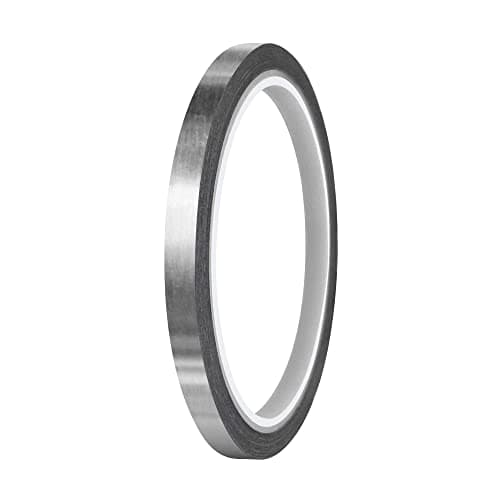
Add weight to the one you own. This is the move almost nobody makes and it is often the right one. If the frame feels thin against pace, or whippy, or just less stable than it used to, a few grams of lead tape at 3 and 9 o'clock changes stability and swingweight for the price of a tube of balls. Retailer customization guidance covers where the weight goes and what it does; our version is how to add weight to a racket, and swingweight explained is the background. A customized frame you already like beats a new frame you are guessing at.
Both of those are on this page's list on purpose. The lead tape in the table above is the cheapest item we rank in the racquets hub, and recommending it over a new frame costs us money. That is the point: we would rather you fix the racquet you have.
When replacing really is the answer
Three situations where we would stop arguing and tell you to buy a frame.
The spec no longer suits you. This is the most common legitimate reason and it has nothing to do with wear. A frame bought at 3.0 is often wrong at 4.0: you have more racquet-head speed, you want less free power and more control, and the oversize head that forgave your early mishits is now launching balls long. That is not a worn-out racquet. That is a player who improved. Start at best racquets for intermediate players or the 4.0 page.
Your arm has started complaining and nothing softer has fixed it. Frame stiffness is a real variable, and the gap between two frames in the same brand can be larger than the gap between two strings — Wilson Clash vs Blade documents an eight-point published flex difference between frames sold to the same player. If you have already tried a soft string at a low tension, a more flexible frame is the next lever: arm-friendly racquets.
You need a second frame anyway. If you play league or compete, a broken string mid-match ends your day unless you carry two. The cheapest version of “should I replace it” is often “buy the current generation of what you have, keep the old one as the backup, and replace the backup when it cracks”. Previous-generation frames make that painless: the band is on best rackets under $200.
If you are replacing: buy the same frame, or a known step
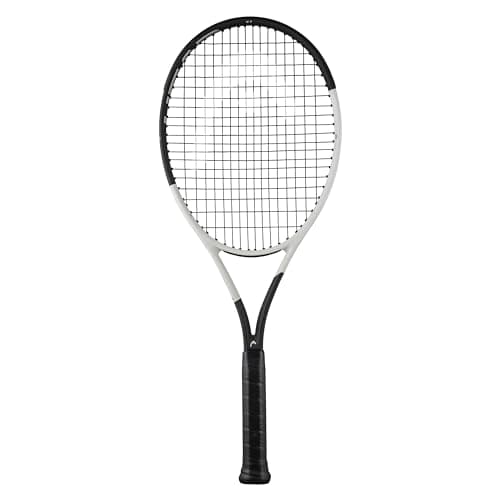
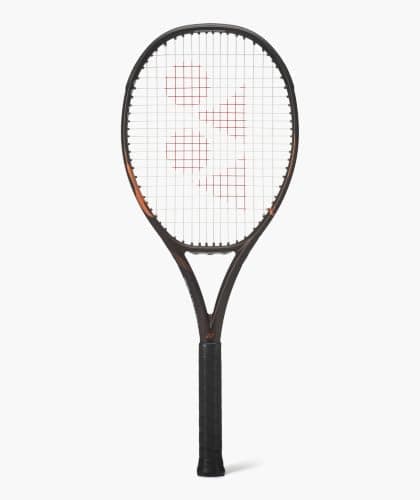
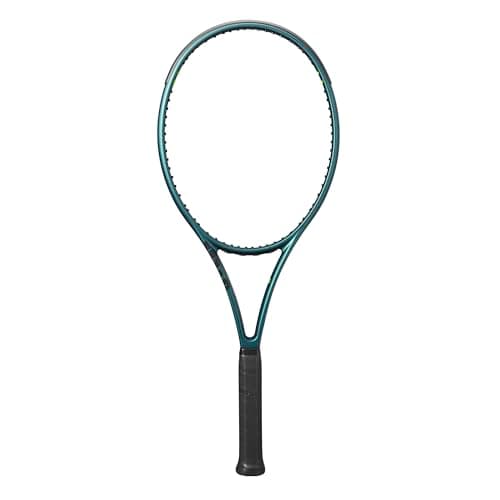
The single best way to buy a replacement is to buy the current generation of the frame you already know, which is exactly what the demo test above hands you. Where that is not possible — the line has changed, or the spec never quite suited you — the four frames above are the ones we would put in a club player's hand, and each is a different answer to “why am I replacing this?”
Replacing because your arm hurts: the Wilson Clash 100 v3, which is one of the most flexible performance frames in production at a published RA 54.
Replacing because you have improved and want control: the HEAD Speed MP, a 100 sq in head at control-frame weight — forgiving without being loose, and the cheapest frame on this page.
Replacing because you want more free depth and comfort: the Yonex EZONE 100, published at the lowest swingweight of the premium frames we rank. If you are weighing it against its sibling, that is EZONE vs VCORE.
Replacing a frame that was always slightly too heavy: the Wilson Blade 100L v9, which puts the Blade feel at nearly an ounce less than the standard 98.
Not replacing yet: lead tape. Last row of the table, cheapest thing on it, and the right answer more often than the industry would like.
Look after the frame you have
Most of what shortens a racquet's life is storage, not tennis.
Heat is the enemy. A car trunk in August is the worst place a strung racquet can be: the bed is pulling on the hoop the whole time and the resin is warm. Bring the bag indoors. A thermal-lined bag helps on the way to the court — see the bag ranking — but it is not a substitute for taking the frame out of the car.
Damp is next. A wet bag left closed overnight is bad for grips, worse for natural gut, and does the frame no favors. Open the bag, pull the frame out, let it dry.
Nothing heavy on top. Pressure on a strung hoop, from luggage or a gear bag stacked on it, is how frames come out of round.
Do not bang it on the court. Obvious, routinely ignored, and the fastest route to a cracked throat and a bumper worn through at the tip.
All four of those apply to the rest of what is in the bag, and to one thing in particular that most players write off as disposable: how to keep tennis balls fresh covers why a hot trunk kills a can of balls faster than playing with them does.
Three things that are not reasons to replace
A new paint job. Brands refresh cosmetics far more often than they change molds. “New” frequently means new graphics and a new sticker, and the frame in your hand is the same layup it was last season.
The frame your club's best player uses. A 4.5 generates swing speed you do not, which is why their control frame feels like a plank in your hand. Buy for your swing, not for theirs.
One bad week. Everyone has them, and a racquet purchase is a very expensive way to find out that you were tired and your toss was low.
What we did not do
We have not stiffness-tested a frame, aged one in a lab, or hit with these four racquets back to back, and nothing above is presented as a play test. Every interval, mechanism and diagnostic claim is quoted from the published sources cited below, read on the day this page was written; where sources disagree — and on how long a frame lasts they flatly do — the page says so instead of averaging them into a number that sounds authoritative. The scoring rubric behind the picks, and its limits, are on methodology.