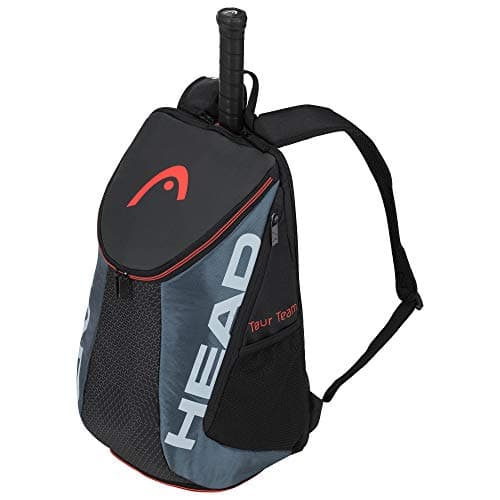
The best tennis gift for a man who plays is a bag — the HEAD Tour Team backpack if he carries one racquet, which most club players do, and a thermal 6-pack if he plays league with a spare frame. Under $25, buy a thirty-pack of overgrips: it is the one tennis item that genuinely runs out, and he is almost certainly putting off replacing one right now. If he has mentioned elbow pain, an elbow brace jumps straight to the top of this list.
One thing not to buy, and it is the obvious one: do not buy him a racquet. A racquet is fitted. The grip size is measured to his hand, the weight has to match how hard he swings, and the head size depends on how developed his technique is. Get any of those wrong and you have bought a $250 object he will thank you for and leave in the closet. It is also the purchase he will most enjoy researching himself. A gift card plus the racquet buying guide is the better version of that gift.
And be careful with the other two fitted categories: shoes (court shoes have to fit precisely, and foot width decides the model) and strings (a set of string is a $25 stringing job he did not ask for, in a string he may not want). Players are opinionated about both.
Everything below is the opposite: things that get used up, worn out, or wanted-but-never- bought. The table is ordered by price, cheapest first — not best to worst.
Under $25: what he is running out of right now
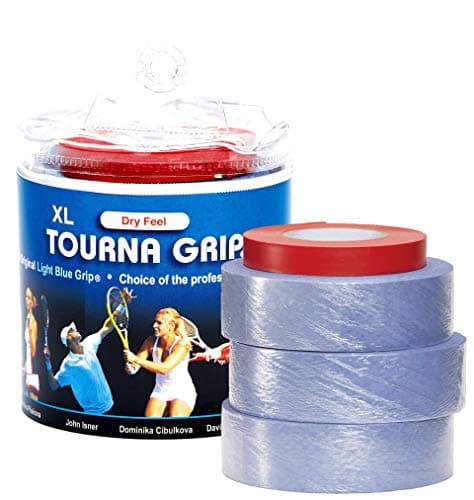
A thirty-pack of overgrips. The thin tape around the handle. It goes slick with sweat and needs replacing every few weeks, so there is a very good chance he is currently playing with a dead one. Buy Tourna Grip — the dry, chalky blue one — if he sweats heavily or plays in heat; buy a tacky Wilson or Babolat overgrip otherwise. Either way the multi-pack is the gift, not a single grip.
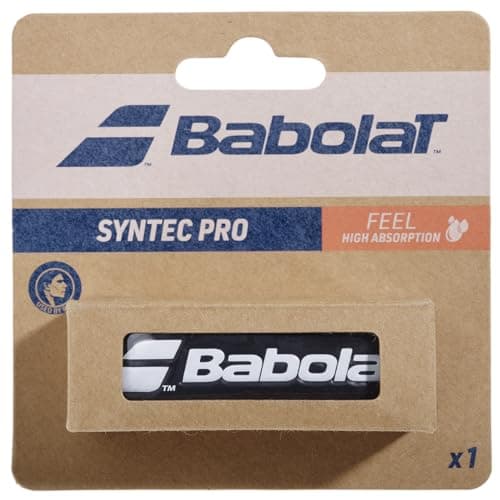
A replacement grip. A different thing: the thick cushioned grip underneath, which almost nobody replaces because the overgrip always feels new. If his handle has gone hard and thin, a fresh base grip makes the racquet feel new for a few dollars. The difference is explained here.
$25 to $60: the best value tier
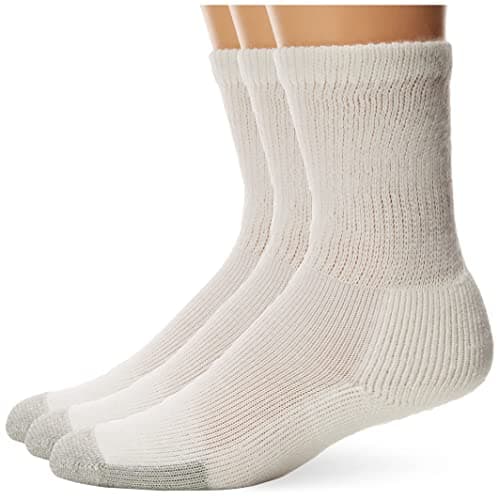
Padded tennis socks. Four times the price of ordinary athletic socks, which is exactly why he has not bought them, and the targeted padding under the forefoot and heel is what stops a blister on a long match. Thorlos is the reference. If his shoes already fit snugly, go with a mid-weight sock instead — the sock ranking covers the thickness trade-off.
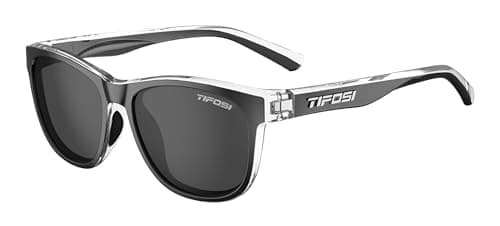
Sport sunglasses. Not fashion sunglasses. A sport frame stays put when he hits an overhead, and a Tifosi at around $30 is the sensible first pair for anybody who plays outdoors in the morning or late afternoon. More in the sunglasses ranking.
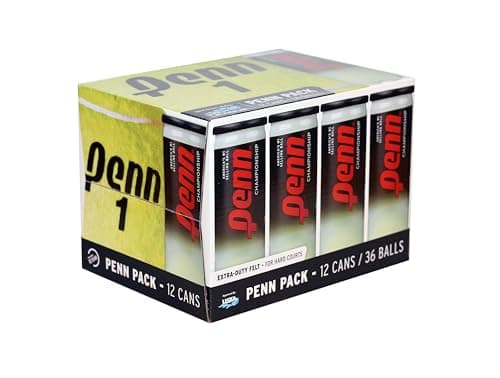
A case of balls. Twelve or twenty-four cans. Unexciting and universally welcome — balls are a running cost people buy three at a time and would rather buy by the case. Penn Championship for practice volume.
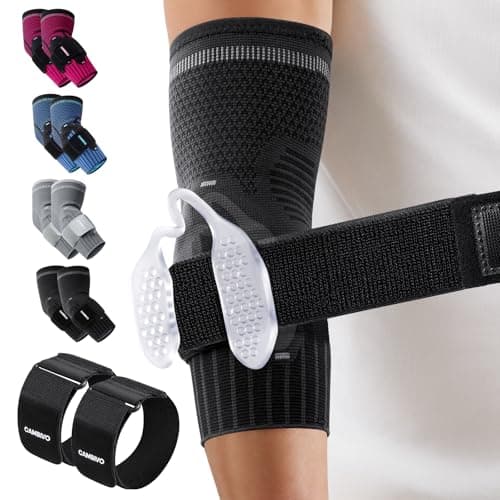
An elbow brace — if, and only if, you know he has elbow pain. If he does, this is the most useful thing on the page. Tennis elbow is common in exactly this demographic: OrthoInfo notes most people who get it are between 30 and 50, and lists a brace over the back of the forearm as part of standard nonsurgical treatment. The two-pack is the one to buy, so one stays in the bag permanently. See the brace ranking and how to prevent it in the first place.
$60 to $200: the real present
A tennis bag. The one gift here that reliably lands, because bags are not fitted, not sized and not personal — and nobody buys themselves a good one.
One racquet to a weekly hit → a 2-racquet backpack like the HEAD Tour Team. Two frames and league play → a thermal 6-pack, where the insulated compartment is the actual upgrade: it slows how fast string tension drifts in a hot trunk. Three or more frames, or he coaches → a 12-pack. One practical detail worth knowing if you are buying for a man with large feet: shoe compartments on compact backpacks are often sized for a women's 7–9, and a size 12 court shoe does not fit. That is covered in tennis bags for men.
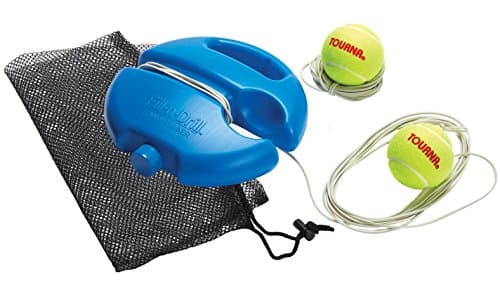
A training aid, if he practices alone. The Tourna Fill & Drill is a hopper that fills by rolling it over the balls, which is the version worth having if he takes a bucket out to hit serves. A rebound net is the other direction — practicing tennis alone compares the options.
Luxury and unique tennis gifts for him
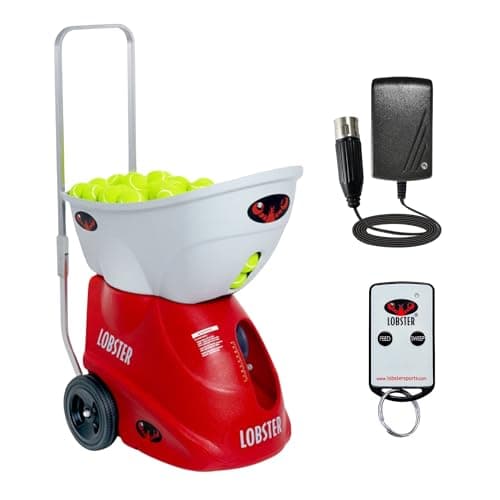
A ball machine. Around $1,000 and up, and the best expensive gift in tennis by a wide margin: it removes the reason club players do not practice, which is that nobody is free to hit. The Lobster Elite Liberty is the entry point into real machines — battery powered, oscillating, and portable enough for one person to load into a car. Two cautions: he needs a court he can book alone, and he needs a case of balls and a hopper alongside. Full options in the ball machine ranking.
Oakley Radar EV Path. The only piece of eyewear here that is a real optical upgrade rather than a nicer cheap frame: a tall shield lens that keeps the ball inside the lens when he looks up at a serve.
Genuinely unusual, and cheap: a ball saver canister. A screw-top tube that re-pressurizes opened balls so they stop going dead in the car. Most players have never seen one; every player has a bag of flat balls.
Also genuinely unusual: paid-for restringing. Not a set of string — the labor. Published shop labor runs about $25 a racquet, so three restrings at his club is a real gift that costs less than a bag and that he will definitely use. The numbers are in what restringing costs.
Skip the novelty tier
Tennis-print mugs, "world's best tennis player" shirts, racquet-shaped bottle openers. A man who plays three times a week does not need an object that reminds him he likes tennis. He needs overgrips, and he is out of overgrips.
If you would rather give kit than kit accessories, apparel is the safest clothing gift in tennis because the sizing is forgiving — the best tennis shorts for men ranks five pairs with live prices, and a 7-inch tennis short is a safer guess than a shirt.