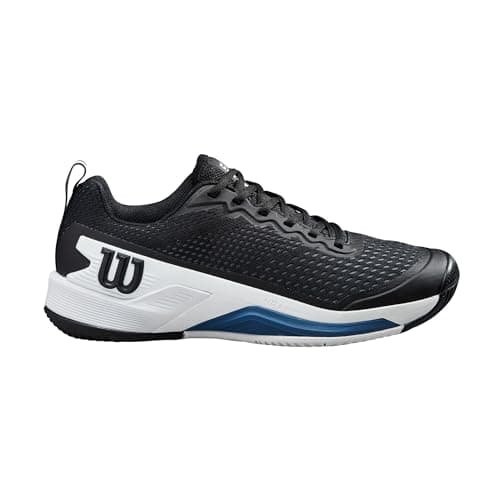
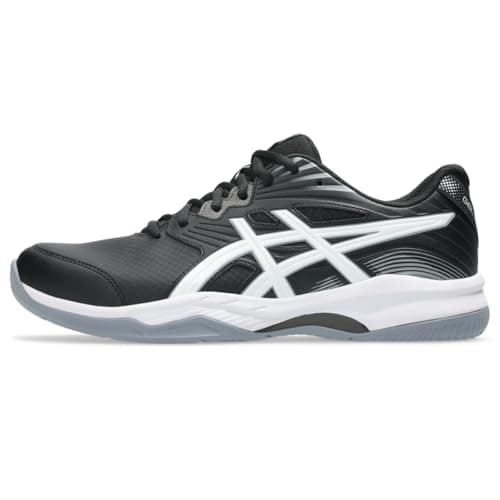
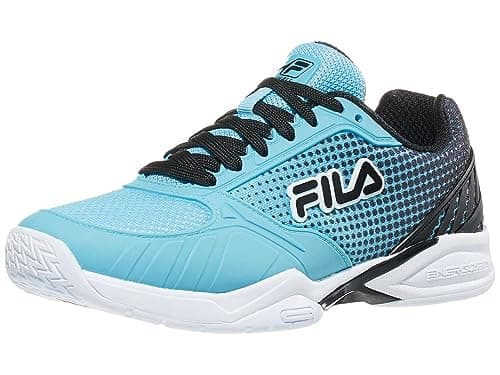
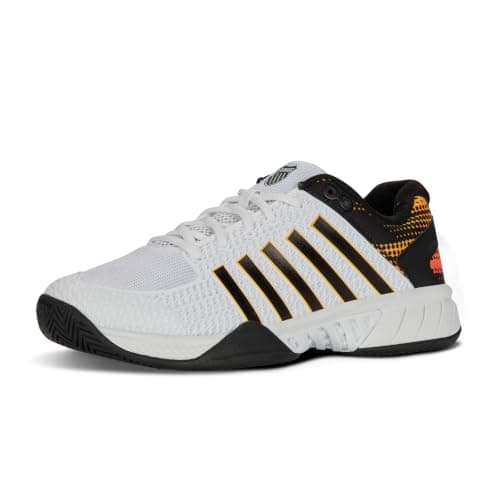
You need court shoes. You do not necessarily need shoes with the word “pickleball” on the box. Those are two different purchases, and conflating them is how people either overspend or skip the one upgrade that actually matters.
The question behind the question
“Do I need pickleball shoes?” is usually two questions wearing one coat:
- Do I need to stop playing in what I have on? If what you have on is running shoes, yes — urgently, and for injury reasons rather than performance ones.
- Do I need to buy the pickleball-branded version specifically? Almost never. A tennis or all-court shoe is the same tool.
Answer them separately and the decision gets easy.
The decision, in one table
| Your situation | Do you need to buy? | Why |
|---|
| You play in running shoes | Yes — this one is not optional | No lateral structure under a sideways push. This is the only footwear decision in the sport with a real injury cost attached. |
| You own supportive tennis or all-court shoes | No | Same lateral support, same outsole logic, same reinforced toe. Wear them and spend the money on a paddle. |
| You own basketball shoes and play indoors | Not urgently | They are lateral-support shoes on the surface they were built for. See basketball shoes for pickleball. |
| Your court shoes have a smooth, shiny outsole | Yes | A polished outsole has lost its grip and is now the hazard the shoe was meant to prevent. |
| Standard court shoes have never fit your feet | Worth it | This is where the pickleball category genuinely earns its price — it expanded into widths and lasts tennis never covered well. |
What you are actually buying
Strip the branding away and a court shoe is four engineering decisions, all aimed at one movement pattern:
- A low, firm, wide platform so a lateral push-off does not tip you. This is the whole ballgame, and the one thing a running shoe gets backwards.
- A non-marking court outsole— gum or herringbone — that grips on the plant and releases on the pivot rather than catching.
- A reinforced toe, because the drag on your serve and split-step will open up a mesh toe box within weeks.
- An upper that holds the foot down on the footbed instead of letting it slide toward the sidewall.
Any shoe with those four properties is a pickleball shoe in every way that affects you on court. The word on the box is a shelf-placement decision, not an engineering one.
Where the label does buy you something
Two places, and it is worth being fair about them. First, fit range: the pickleball footwear market arrived recently and grew fast, so it went straight after the widths and volumes traditional tennis lasts underserved. If you have wide feet or need a flatter, more stable platform, the newer category is where the options are. Second, women’s lasts: more of the pickleball range is built on a genuine women’s last rather than a downsized men’s shoe, which is a real fit difference and not marketing.
How much you should spend
Less than you think, and less than the enthusiast forums suggest. Court shoes are one of the few pieces of gear where the entry level is genuinely competent, because the four properties above are cheap to engineer and hard to get wrong. A discounted all-court tennis shoe often delivers the whole list for less than a pickleball-branded equivalent. Our budget court shoes list is built on exactly that premise, and the picks below span both sides of the category with live prices so you can see the gap for yourself.
The order to spend in
If you are outfitting yourself from nothing, court shoes come first— ahead of a better paddle, ahead of a bag, ahead of everything. It is the only purchase in the sport that is about staying uninjured rather than playing better, and a rolled ankle costs more than any shoe on this page. After that, the ordering in what pickleball gear costs takes over: play for a couple of months before you spend on anything else, so you are fixing problems you actually have.
When to replace, not upgrade
The most common footwear mistake after the running-shoe one is keeping a dead pair too long. Court shoes wear from the outsole up, and the grip goes before the comfort does — so a shoe can still feel fine underfoot while it has quietly stopped doing its job on a hard cut. Check the outsole for smooth, shiny patches under the ball of the foot and the inside edge. How long court shoes last covers what to look for and roughly when to expect it.
How we picked
We have not physically tested this gear
Everyone in this category says they tested twenty paddles. We have not tested any — and we say so. What we did instead: compiled the manufacturer-published specifications (face material, core thickness, grip size, USAPA approval), normalized them, and scored each product against a published rubric weighted for the skill tier this page serves. The scores are judgments from documented research, not measurements we took, because we do not have a lab and are not going to pretend we do.