Buy a sling if you turn up with a paddle, a water bottle and your keys. Buy a backpack if you carry two or more paddles, a change of shoes, and gear for anyone other than yourself. The honest answer for most recreational players is a sling, and most people buy the backpack.
The actual difference
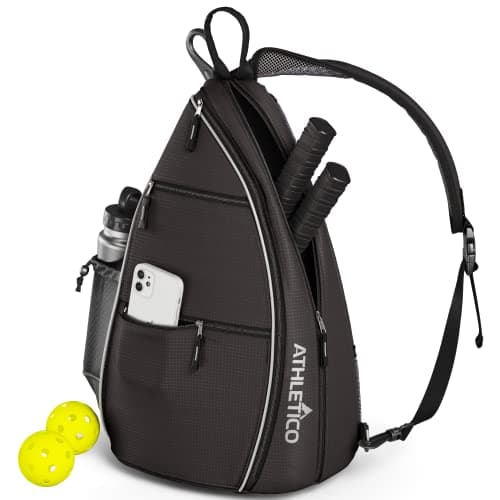
A sling bag is a single-strap bag worn across the body. It has one large compartment, a couple of small pockets, and it is designed so you can swing it around to the front and open it without taking it off. A pickleball sling typically carries one or two paddles, a few balls, and the things that live in your pockets.
A backpack has two straps and distributes weight across both shoulders, which is why it can carry meaningfully more before it becomes uncomfortable. Pickleball backpacks add paddle-specific features: dedicated slots that hold paddles flat, a separate ventilated shoe compartment, and often an insulated pocket for a bottle. The larger ones cross into duffle territory.
The trade is straightforward. A sling is quicker, lighter and less to carry. A backpack holds more and carries weight better. Where people go wrong is buying capacity they never use, then hauling a mostly empty bag to a two-hour session.
How much do you actually carry?
Be honest about this before you shop, because it decides the answer. Count what you brought last time you played. One paddle, a tube of balls and a bottle is a sling. Two paddles because you are mid-upgrade and have not decided, plus court shoes you change into, plus a towel and a jacket for the shoulder season, is a backpack.
Two specific situations push hard toward a backpack. The first is changing into court shoes at the court — shoes are bulky, they are dirty, and a dedicated ventilated compartment is genuinely worth having rather than putting them next to your towel. The second is carrying for someone else: a partner, a kid, or the group's balls and net. Once you are the person who brings things, a sling stops working.
And one pushes toward a sling: walking or cycling to a drop-in session. A sling is far less to think about, comes off in one motion, and does not need a locker.
Comfort over distance
A sling puts all the load on one shoulder. Under about ten pounds and over a short walk, nobody notices. Load it heavier or carry it further and the asymmetry becomes the whole story — this is the complaint people have about slings, and it is entirely a function of weight rather than design. If your walk from the car is thirty seconds, it is irrelevant. If you commute with it, it is not.
A backpack is the better long-carry option by a wide margin, but only if you use the capacity. An oversized bag carried half-empty is worse than a right-sized sling, because the bag's own weight and bulk are working against you for nothing.
Side by side
| Consideration | Sling bag | Backpack |
|---|
| Paddles carried | Typically 1–2; larger slings are rated for up to 6 | 2–4+ in dedicated slots |
| Shoe compartment | Rare | Common, often ventilated |
| Access while wearing | Swing to front, open — fastest | Take off both straps |
| Comfort loaded | One shoulder; fine when light | Both shoulders; better under load |
| Best for | Drop-in sessions, walking, minimal kit | Full kit, shoe changes, carrying for others |
Our picks either way
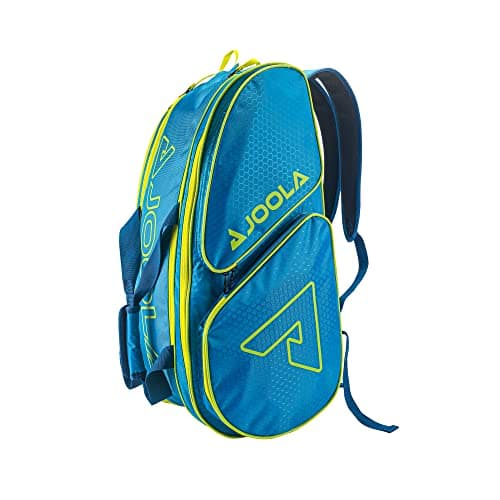
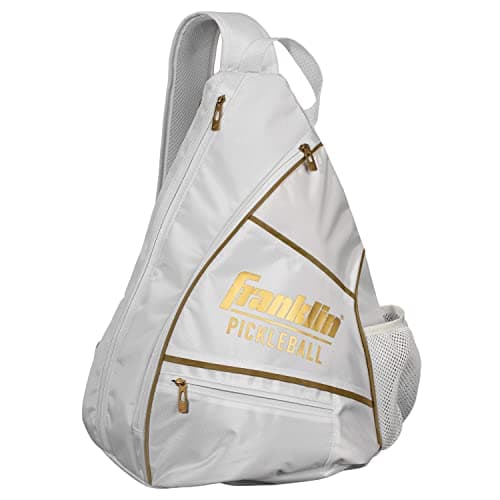
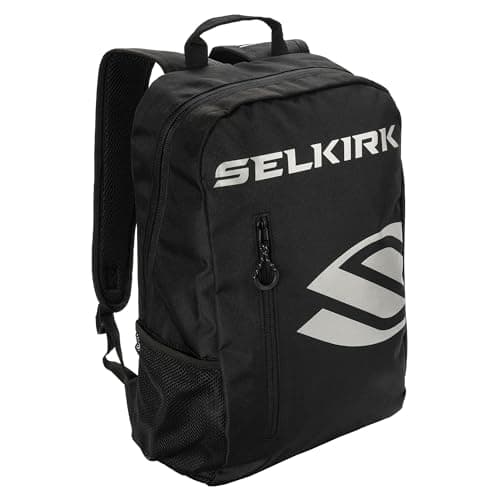
On the backpack side, the Selkirk Sport Day Backpack is the right-sized choice for a normal session and our overall pick here, while the JOOLA bag is the one to buy if you genuinely carry a full kit and want thermal pockets and four-plus paddle capacity. On the sling side, the Franklin sling is the budget answer and the Athletico crossbody is the more organized one.
If you want the wider field rather than this specific question, our best pickleball bags roundup ranks the whole category, and how to choose a bag covers the features worth paying for.