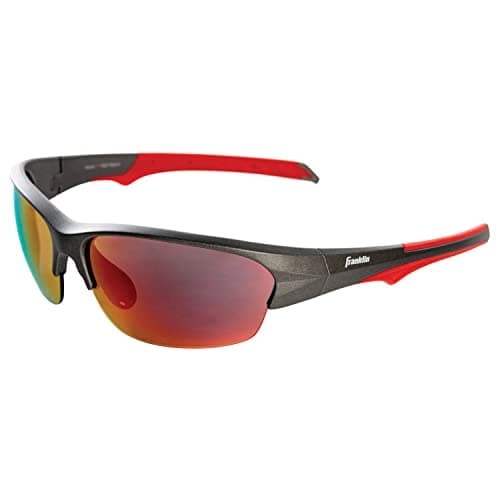
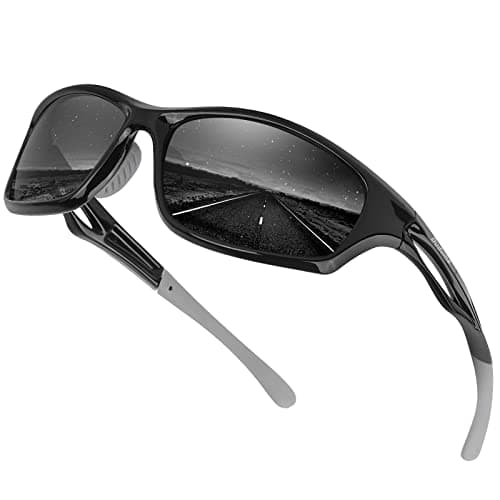
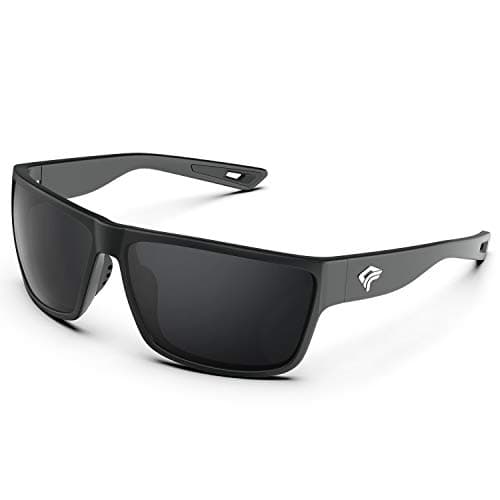
For outdoor pickleball the TOREGE polarized sports sunglasses are our top pick — polarized lenses, interchangeable for changing light, in a light wrap frame at a low price. The Franklin Sports pickleball sunglasses are the brand-name option with a headband and case, and the Duduma is the cheapest polarized pair that survives a gear bag. None of the three is impact-rated eye protection, and we say why that matters below.
Sunglasses and safety glasses are different purchases
This site already ranks pickleball glasses and eye protection, and that page leads with an ANSI Z87.1-rated safety pair, because a hard drive at the kitchen line from a few feet away is the one genuinely serious injury risk in the sport. The American Academy of Ophthalmology counts an estimated 30,000 sports eye injuries a year in emergency rooms and now names pickleball specifically as a significant source. If you play a fast doubles net game, read that page first.
This page is the other question: you play outdoors, the court is bright, the ball is above you against the sky, and you want to see it. That is a glare problem, and it has a different answer. The picks here are sunglasses. They block glare and, where the listing says so, UV. They are not certified to stop a ball, and we are not going to pretend they are.
What polarized actually does
Glare on a court is mostly light bouncing off the flat, hard surface toward your eyes. The AAO's description is precise: “Polarized lenses block glare or horizontal light while vertical light passes through them.” That is exactly the reflection off a sunlit court, which is why polarized lenses feel like a bigger improvement on a pickleball court than on a walk. Two cautions from the same source. Polarization is not UV protection — “just because sunglasses block UV rays doesn't mean they're polarized,” and the reverse is true too, so check the listing for both. And polarized lenses can make screens hard to read, which does not matter on court but does if you are checking a scoring app between games.
What we looked for
Polarized lenses, because that is the glare fix. Two of the three picks are polarized; the Franklin is the exception, chosen for fit and the bundled headband rather than optics, and marked down accordingly. A wrap frame that stays on. Pickleball is quick lateral movement and sudden overheads; a pair that slides on the first lunge is a pair you take off. Lens options. Outdoor light changes across a session, and interchangeable lenses are the cheap way to handle a bright noon and an overcast late afternoon with one frame. Price. Sunglasses get sat on, dropped and left on benches. Every pick here is inexpensive, and that is deliberate.
We did not rank for impact rating, because none of these carries one — that is the other page's job. And we did not rank for style, because the reader who wants to look good at the court and the reader who wants to see the ball are not always the same person.
How to pick between them
Take the TOREGE if you want the best optics for the money: polarized, interchangeable lenses, a wrap fit and a nine on our optics score. Take the Franklin Sportspair if you would rather have a brand behind the product and the headband that keeps them on during a fast point — the trade is that its listing claims UV protection but not polarization, so it is a UV-and-fit purchase rather than a glare one. Take the Duduma if the only thing you want is polarized glare reduction at the lowest price from a frame that bends rather than snaps; it is one of the most-reviewed sport sunglasses sold, and its fit is generic rather than court-specific.
Sunglasses, safety glasses, or both?
Outdoors, in a rec game, most players will be fine with sunglasses and an awareness that they are not protection. If you play a lot of doubles at the net — where the AAO's pickleball warning is really aimed — the honest answer is a Z87.1-rated pair, and some safety glasses come in tinted versions that do both jobs adequately. Our eye protection roundup covers those; the HUNTERSKY pair that leads it is clear-lensed and cheap enough to own alongside sunglasses.
Lens color
On a court, contrast matters more than darkness. A very dark lens makes a yellow ball harder to pick up against a green or blue court in the late afternoon, which is exactly when interchangeable lenses earn their place: use the darkest lens at noon and swap to a lighter or amber tint as the light falls. Indoors, take them off — a tinted lens in a dim gym is a visibility problem, not a solution, and the anti-fog question that dominates indoor play is covered on the glasses page.
Keeping them on
A headband or retainer strap is the cheapest upgrade to any pair here, and the Franklin bundles one. If your pair slides, the fix is usually the nose piece rather than the arms; most sport frames have adjustable nose pads. And keep them in the case in the bag — the lenses on an inexpensive polarized pair are a film, and the film scratches.
The rest of the outdoor kit
The other outdoor-specific choices are the ball and the shoe. Our outdoor pickleballs page explains why a 40-hole ball is the only kind that flies straight in a breeze, and what to wear for pickleball covers the hat-and-sunscreen side of a summer session.