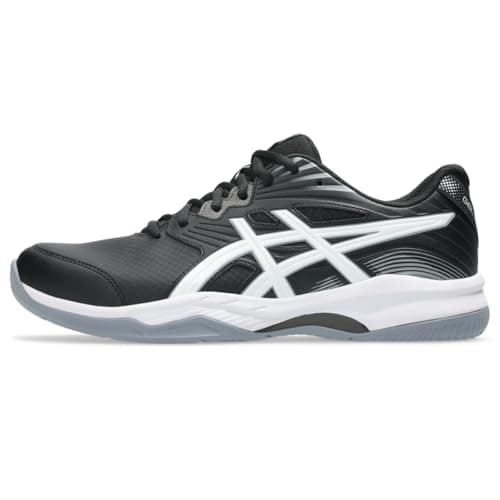
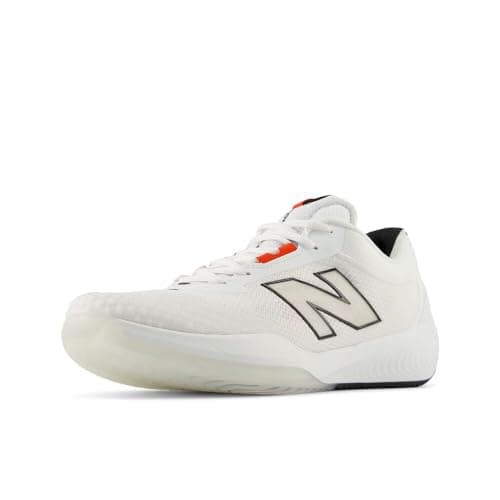
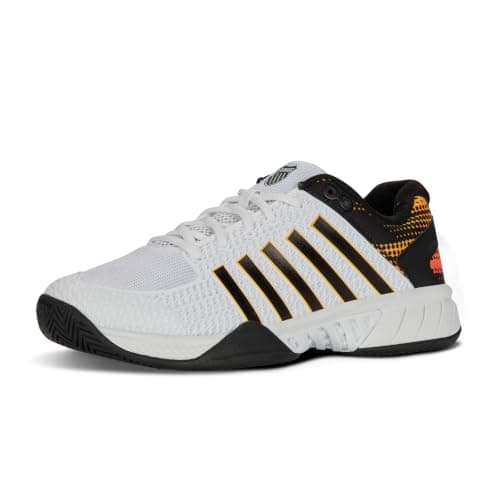
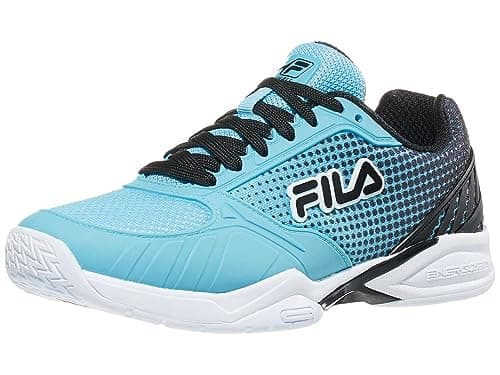
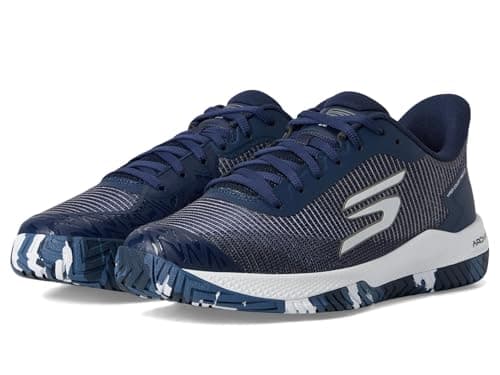
For older players the Skechers Viper Court Pro 2.0 is our top pick — a genuine pickleball court outsole under a cushioned midsole, widely available in wider widths. The ASICS Gel-RENMA 2 is the pick if you want the most support with the cushioning, the New Balance FuelCell 996 v6 if standard shoes cramp your feet, and the FILA Volley Zone is the women's-last value pick.
What changes after 60
Pickleball's biggest demographic is older adults, and the sport is genuinely good for them — our pickleball for seniors guide goes through why. But the risk profile changes with age, and the shoe has to answer it. The National Institute on Aging is blunt about footwear and falls: to fully support your feet, “wear nonskid, rubber-soled, low-heeled shoes,” and it lists unsafe footwear alongside vision and balance changes as a risk factor for falling.
That advice was written for the home, but it translates to a hard court almost word for word. A court shoe is nonskid by design, rubber-soled by design and low by design. A running shoe — the shoe most new players turn up in — is the opposite on the axis that matters: it is tall and soft, built to roll you forward, with nothing to catch a sideways step. Our court shoes vs running shoes guide covers the mechanics; the short version is that a taller, softer platform is a longer way to fall.
What we looked for
A stable, low platform first, because stability is what prevents the rolled ankle and the stumble. Every pick has a court outsole and a lateral-support upper; none is a running shoe. Real cushioningsecond — older knees and hips feel a hard court, and a firm racing-style court shoe is a poor match for a three-hour social session. A forgiving fit third: feet spread and change shape with age, and a performance shoe cut narrow and low-volume is the wrong tool. Two picks here are specifically the roomier-fitting options in our registry. Value last, because the right court shoe is one you will replace when the cushioning packs down, and our shoe lifespan guide says that is sooner than most people think.
We did not rank for weight or for the firm, connected feel that competitive players want. The pick that leads our ankle supportlist — a low, firm, aggressive shoe — is not here for exactly that reason.
How to pick between them
If you want one shoe that does the whole job for a social player, take the Skechers Viper Court Pro 2.0: a court outsole endorsed by touring pros, the brand's comfort-first cushioning, and generous width options. Its one trade is a softer midsole that competitive players find less connected — for this reader that is a feature. If you want more structure with the cushioning, the ASICS Gel-RENMA 2 scores a 9 on both lateral support and cushioning, which no other men's shoe in our registry does; check reviews on sizing before ordering, because it runs to ASICS sizing.
If your feet have spread, the New Balance FuelCell 996 v6 is the accommodating fit in the registry, with wide sizes available and a responsive foam that is gentler on the joints than most court shoes; it is also the pick on our wide feet list. The K-Swiss Express Lightis the lightest, most all-around option here and the one to take if you find heavier shoes tiring — its review covers the firmer feel and the slightly narrow heel that come with it. And the FILA Volley Zoneis a women's-last court shoe at a sensible price, chosen for women who want a purpose-built shoe without spending on a premium one.
Fit rules that matter more with age
Try them on late in the day, when your feet are at their largest. Leave a thumb's width at the toe; a court shoe that is too short jams the toes on every stop, and one complaint that recurs in the reviews we read of otherwise well-liked court shoes is that they run short. Lace them properlyevery time — a heel that lifts in the shoe is a heel that can roll. If bending to lace is the hard part, elastic laces are a legitimate solution and do not change how the shoe supports you.
Cushioning and the “dead shoe” problem
Midsole foam packs down long before the outsole wears out, and a packed-down shoe transmits far more of the court into your knees. Our injury guide puts fresh cushioning near the top of its prevention list for a reason. If your knees ache after play and the tread still looks fine, the midsole is the likely culprit; replace the shoe rather than the paddle.
Warm up anyway
No shoe replaces ten minutes of preparation. Our warm-up guideis short and written for exactly this reader: a few minutes of movement before the first game does more for an older body than any piece of equipment on this page. And on the equipment side, pair the shoe with a paddle chosen the same way — our paddles for seniors are picked for forgiveness and arm comfort.
What a shoe cannot do
It cannot prevent a fall, and we will not tell you it can. It can give you a surface that grips, a platform that does not tip, and cushioning that keeps you comfortable enough to move well late in a session. Balance, vision and medication are the fall-risk factors the National Institute on Aging lists first; talk to a doctor about those, and buy the shoe for the rest.